- Web Desk
- Apr 05, 2026
Concerns rise in cotton industry over GSP+ status review
-

- Web Desk Karachi
- Feb 06, 2025
LAHORE: The local cotton industry is increasingly anxious due to reports of a potential review of the GSP+ status by the European Union, especially while coping with the burdensome 18% sales tax.
The GSP+ status, granted by the EU in 2014, resulted in a 108% increase in Pakistan’s textile exports to the EU by allowing concessional tariffs.
In October 2023, the European Parliament unanimously voted to extend GSP+ status for another four years, until 2027, enabling developing countries like Pakistan to continue enjoying minimal or no tariffs on exports to Europe. However, during a recent visit from an EU delegation to Pakistan, it was announced that the bloc would undertake a review of this status in June, raising alarms within the cotton sector.
While the GSP has been extended until December 31, 2027, it appears new regulations may be implemented sooner. “GSP monitoring is a continuous process. The inter-services monitoring mission is expected in mid-2025 as part of the ongoing process,” the EU representative explained when contacted.
Worryingly, the industry fears that a negative assessment of GSP+ could further exacerbate the sector’s challenges. Many textile mills, optimistic about increasing exports to Europe following successful contracts at a recent textile fair in Germany, have imported large quantities of duty-free cotton and cotton yarn.
Also read: Textile sector warns of crisis as govt redefines gas supply priorities
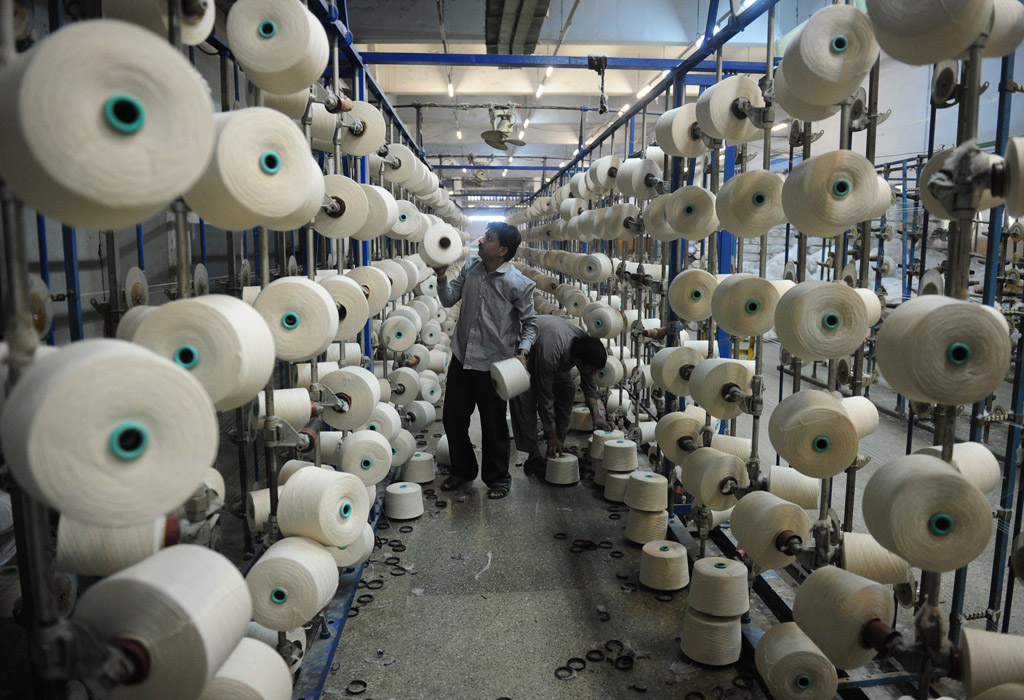
The tax advantage on imports, paired with the local 18% tax on cotton, has driven millers to favour foreign sources, adversely impacting local growers and the ginning and spinning sectors.
Data from the Pakistan Bureau of Statistics indicates that Pakistan spent a record $1.91 billion on cotton and yarn imports during the first half of FY25, an increase of $0.610 billion compared to the same period last year. Expectations for significant shipments of cotton and cotton yarn during January-March 2025 could further strain the country’s foreign exchange reserves.
Cotton Ginners Forum Chairman Ihsanul Haq noted that domestic cotton production this year fell about 50 percent short of targets and was 34 percent lower than last year’s output. Despite this, ginning factories currently hold an increased stock of cotton. As of January 31, there were approximately 486,000 bales stored in ginning facilities, reflecting a 31 percent rise from last year. He pointed out that textile mills have purchased only 4.978 million bales from local gins so far this season, which is a record low, falling short by 2.7 million bales or 35 percent compared to last year’s purchases during the same timeframe.
You May Also Like