- Web
- Feb 05, 2026
Economic recovery leads to interest rate cut in Egypt, Sri Lanka
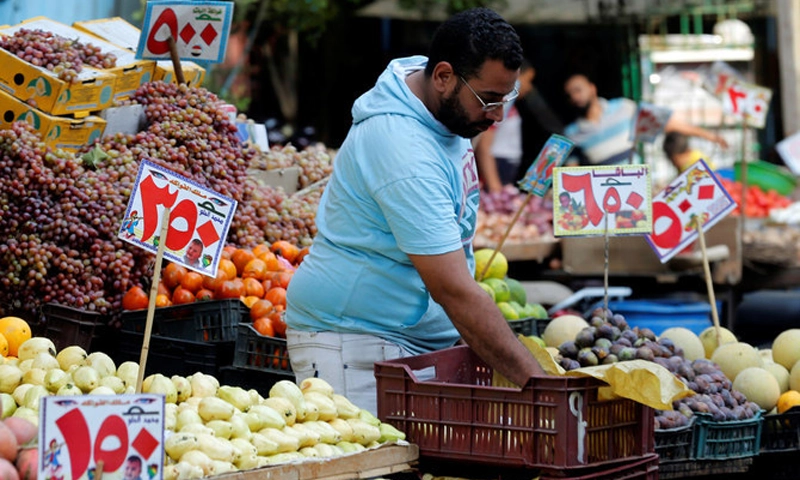
CAIRO/COLOMBO: Egypt’s central bank on Thursday went for interest rate cut for the second time since April as inflationary pressures have eased in the Arab world’s most populous country.
On the other hand, Thursday also saw Sri Lanka going for its first rate in six months, with signs that the crisis-hit nation was emerging from its worst economic downturn.
Read more: Interest rate cuts — here is what SBP needs to consider
‘SUSTAINED RECOVERY IN ECONOMIC ACTIVITY’
The Central Bank of Egypt (CBE) lowered interest rates by 100 basis points, its monetary policy division said in a statement, citing “a sustained recovery in economic activity” and a cooling inflation.
The cut has brought the bank’s overnight deposit rate to 24 per cent, its overnight lending rate to 25 per cent and its rate of the main operation to 24.5 per cent, the statement said.
Egypt’s annual headline inflation rate stood at 13.9 percent in April, dropping sharply from its peak at 36 per cent last year.
In April, the CBE slashed interest rates by 225 basis points – its first cut since 2020 after holding or raising rates steadily in response to a prolonged economic crisis.
Egypt’s economy has been under severe strain following multiple devaluations of the local currency and a steep rise in foreign debt.
The Egyptian pound has lost more than two-thirds of its value against the US dollar since early 2022.
Last month, the authorities raised fuel prices for the fourth time in a year.
The latest fuel price hike came just weeks after the International Monetary Fund (IMF) approved a $1.2 billion disbursement to Cairo, following a review of Egypt’s economic reform programme.
The IMF, which expanded its support package from $3 billion to $8 billion last year, is now conducting its fifth review in which it is expected to push for more reforms.
The North African country remains burdened by soaring foreign debt, which has quadrupled since 2015, reaching $155.2 billion by September 2024.
Much of the debt is tied to large-scale infrastructure projects, including a new capital east of Cairo.
FROM PEAK INFLATION TO DEFLATION
The single policy rate was reduced by 25 basis points to 7.75 per cent, the Central Bank of Sri Lanka said in a statement, following a review by its Monetary Board.
“This measured easing of the monetary policy stance will support steering inflation towards the target of 5.0 percent, amidst global uncertainties and current subdued inflationary pressures,” the statement said.
“Recent leading economic indicators reflect sustained progress in domestic economic activity,” it said.
The South Asian country, which declared a sovereign default on its $46 billion external debt in April 2022, has restructured its bilateral loans and international bonds, giving it more time to repay.
Inflation, which peaked at nearly 70 percent in September 2023, has dropped sharply and the country has been experiencing deflation since September last year.
The International Monetary Fund, which granted a $2.9 billion bailout loan in early 2023, says Sri Lanka is slowly emerging from its crisis and that the economy has turned around, although risks remain.
You May Also Like