- Web
- Feb 05, 2026
IMF appoints new country head for Pakistan
-

- Web Desk Karachi
- Sep 11, 2024
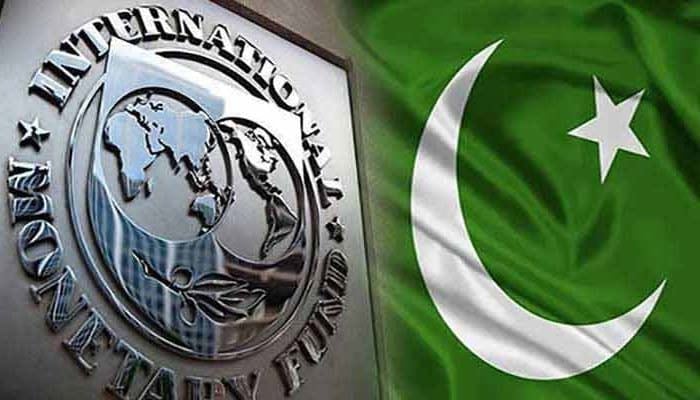
The International Monetary Fund has appointed Mahir Binici as the new country head for Pakistan, while the government intensifies efforts to secure the $7 billion loan approval by the last week of September.
In place of Esther Perez, Mahir Binici has been appointed as the Resident Representative for Pakistan, according to government officials. Binici a Turkish national, will replace Perez in December, they added.
The IMF spokesperson declined to comment on whether the tenure of Esther Perez has ended and Binici has been appointed in her place as the new country head.
The IMF’s last two resident representatives were from Spain and had served in their native country’s Ministry of Finance. Binici has served in Turkey’s central bank and has expertise in macroeconomic policies, and the financial sector with a focus on emerging markets.
Binici’s biggest challenge will be smoothly implementing a highly ambitious $7 billion Extended Fund Facility (EFF), which is facing risks even before its approval by the Executive Board of the IMF.
The IMF has released its board calendar till September 18th and Pakistan’s case is not on the list. The central bank governor Jameel Ahmad had earlier said that Pakistan would make an attempt to secure the board approval in the first half of September.
However, a senior government functionary said on Monday that the government was now trying to secure the IMF board approval by the fourth week of September.
The IMF delisted Pakistan in August after the government could not secure the rollovers of the $12 billion cash deposits and failed to arrange an additional $2 billion in new financing.
Mahir Binici’s second challenge will be to make the country office a bridge between Islamabad and their Washington headquarters, instead of keeping it a post office of Washington. In recent years, the IMF also faced a serious trust deficit from the Pakistan government, experts, and people at large.
In addition to Pakistan’s own follies, the IMF’s conditions have also been blamed for the country’s sluggish economic growth, constant bleeding of the power sector, high unemployment, and growing poverty.
The IMF is considered the lender to turn to as a last resort. It has placed a condition on Pakistan to first arrange $2 billion in loans from other creditors to qualify for the board meeting approval.
This has forced the government to raise the most expensive loans in Pakistan’s history, as the foreign lenders are not ready to offer loans at competitive rates in the absence of an IMF programme approval.
There have been growing concerns within government circles about the IMF’s role in Pakistan and its programme design.
Despite criticism from all quarters, the IMF forced Pakistan to accept unrealistic targets, such as a nearly Rs13 trillion target for the Federal Board of Revenue.
The FBR has already sustained an Rs98 billion shortfall in two months, and this is expected to widen substantially in September.
The fund is not allowing Pakistan to bring a major reduction in its interest rates, which should not be more than 14% to 15%, even as per the benchmarks set by the IMF. It has asked Pakistan to set headline-inflation-adjusted real positive interest rates.
For this fiscal year, the government has targeted to bring headline inflation down to 12%, but it is already at 9.6% in August. There is room to cut the interest rates by at least 5% during this Thursday’s monetary policy committee meeting.
Such harsh conditions by the IMF are eroding the lender’s credibility in Pakistan.
The International Monetary Fund (IMF) has appointed Mahir Binici as the new Resident Representative for Pakistan, replacing Esther Perez, who will leave the position in December. Binici, a Turkish national, has extensive experience in macroeconomic policies and the financial sector, with a focus on emerging markets.
The appointment comes as Pakistan intensifies its efforts to secure a $7 billion loan approval from the IMF by the last week of September. The loan, which is part of an Extended Fund Facility (EFF), faces risks due to its ambitious targets and conditions.
The IMF has released its board calendar until September 18th, but Pakistan’s case is not on the list. The government has been trying to secure the board approval in the first half of September, but a senior government functionary has revealed that they are now aiming to do so by the fourth week of September.
Pakistan’s relationship with the IMF has been strained in recent years, with the government facing criticism for not implementing IMF conditions effectively. The IMF’s conditions have been blamed for Pakistan’s sluggish economic growth, constant power sector bleeding, high unemployment, and growing poverty.
The government has been forced to raise expensive loans from foreign lenders to qualify for the IMF programme approval. The IMF has placed a condition on Pakistan to first arrange $2 billion in loans from other creditors before considering its loan application.
Binici’s challenge will be to navigate these complex issues and build trust between Islamabad and Washington. He will need to address concerns about the IMF’s role in Pakistan and its programme design, which have been criticized by experts and the general public.
Some of the key issues facing Pakistan include unrealistic targets set by the IMF, such as a nearly Rs13 trillion target for the Federal Board of Revenue. The FBR has already sustained a Rs98 billion shortfall in two months, and this is expected to widen substantially in September.
The IMF is also not allowing Pakistan to reduce its interest rates significantly, despite having a high headline inflation rate of 9.6% in August. This has eroded the lender’s credibility in Pakistan.
You May Also Like