- Web
- Feb 05, 2026
Growth rate insufficient to reduce poverty, warns World Bank
-

- Web Desk Karachi
- Oct 11, 2024
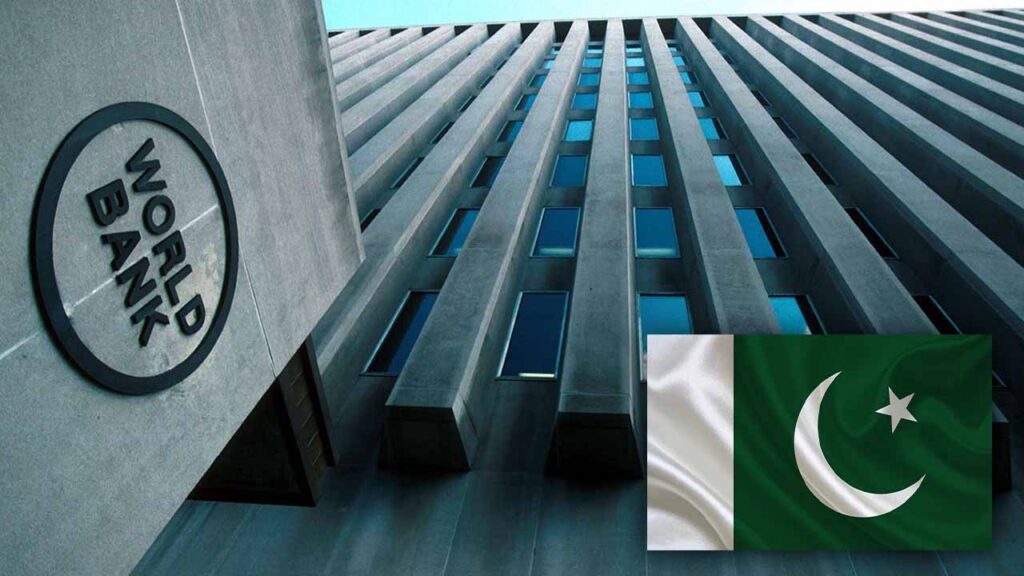
The World Bank has reported a rise in the poverty rate in Pakistan, now at 40.5% for FY24, up from 40.2% in FY23. According to the bank, the projected economic growth rates of 2.8% and 3.6% for the current and following year are inadequate to significantly reduce poverty levels and improve the living conditions of most Pakistanis.
During the presentation of the Pakistan Development Update (PDU), World Bank officials expressed concerns that while there are signs of modest economic recovery, the risks of vulnerability remain high if crucial structural reforms do not proceed as planned, jeopardizing the recently secured bailout from the International Monetary Fund (IMF). Mukhtar ul Hasan, a World Bank economist and author of the PDU, stated, “Although Pakistan’s economy has stabilized and the macroeconomic situation has improved, this recovery is neither sustainable nor sufficient.”
The PDU highlights that the increase in the poverty rate to 40.5% in FY24, which equates to $3.65 per day in 2017 purchasing power parity (PPP), stems from stagnant economic growth, high inflation, reductions in public investment (which affects job creation), and a decline in the real value of social protection benefits. Contributing factors to the rise in poverty include sluggish economic growth, low market confidence, supply chain disruptions due to floods, and persistent high inflation.
World Bank Country Director Najy Benhassine emphasized the need for consistent implementation of a structural reform agenda to tackle long-standing growth constraints. This agenda includes reforming a complex and inequitable tax system, cutting inefficient expenditures and untargeted subsidies, reducing the considerable state involvement in the economy, minimizing trade and investment barriers, and addressing losses in the energy sector. He added that enacting these reforms with a strong political consensus and boosting private sector involvement is essential for mitigating risks and fostering private-led growth and poverty alleviation.
Mr. Mukhtar noted that significant fiscal tightening, mainly through reduced development spending, subsidy reforms, and import and capital controls – all implemented under the IMF’s standby arrangement – provided critical adjustment needed to avert another crisis in FY23, yet it has negatively affected growth and investment in the country.
He anticipates that the recovery will proceed, with real GDP growth projected at 2.8% in FY25 and 3.2% in FY26. However, this growth will still fall beneath potential in the medium term due to strict macroeconomic policies, high inflation, and uncertainty in policies continuing to hinder economic activity. “Better growth is essential to drive significant improvements in living standards,” he stated.
The growth outlook is based on three key assumptions identified by both Mr. Mukhtar and country lead economist Tobias Haque, which could greatly influence growth forecasts if they fail to hold true. These are the effective implementation of the IMF’s new program, the continued rollover and refinancing support from bilateral partners, and the absence of significant climate-related shocks.
You May Also Like