- Web
- Feb 05, 2026
Pakistan targets 30 per cent electric vehicle sales by 2030 under new policy
-

- Web Desk
- Jun 21, 2025
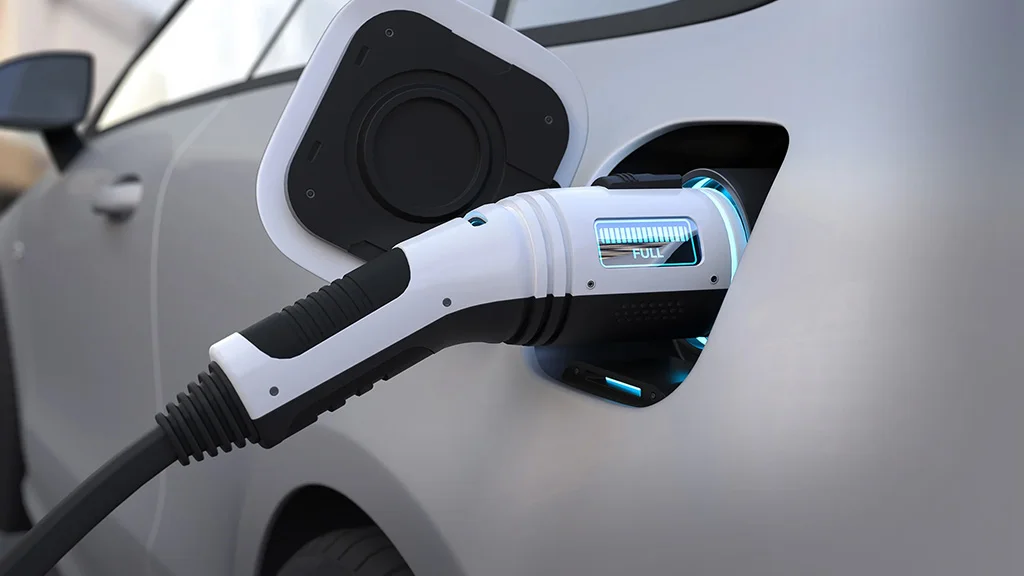
ISLAMABAD: Pakistan has launched a National Electric Vehicle (NEV) Policy 2025–30 aimed at promoting clean transportation, reducing carbon emissions, and cutting reliance on costly fuel imports.
The policy was introduced by Special Assistant to the Prime Minister on Industries and Production, Haroon Akhtar Khan, who said the plan aligns with the government’s broader environmental and industrial goals.
“The transport sector is a major source of emissions in Pakistan,” Khan told reporters. “The EV policy supports our climate commitments under the Paris Agreement and seeks to curb fossil fuel dependence and urban pollution.”
One of the policy’s key targets is to ensure that 30 per cent of all new vehicles sold in Pakistan by 2030 are electric. This shift is expected to save 2.07 billion litres of fuel annually, translating into around $1 billion in foreign exchange savings and reduce carbon emissions by 4.5 million tonnes.
Khan said the government has earmarked Rs9 billion in subsidies for the fiscal year 2025–26 to support the rollout of 116,053 electric bikes and 3,171 electric rickshaws. A quarter of the subsidy is reserved for women to encourage safer and cleaner mobility options.
Over the next five years, cumulative subsidies could exceed Rs100 billion, with the same 25 per cent share reserved for women.
The new policy also aims to expand the country’s EV infrastructure. It proposes setting up 40 charging stations along major motorways, with stations spaced roughly 105 kilometres apart. Battery swapping systems, vehicle-to-grid (V2G) integration, and EV-ready building codes are also part of the plan.
Incentives will be offered to domestic manufacturers to boost local production. Currently, over 90 per cent of parts for electric two- and three-wheelers are locally produced. Support packages are being developed for small and medium enterprises (SMEs) to accelerate localisation.
The government said 61 licences have already been issued for electric two- and three-wheeler production, along with two for four-wheel vehicles.
A fully digital platform is being launched for transparent application, verification, and disbursement of subsidies.
Khan said the policy was developed in consultation with more than 60 experts and stakeholders, overseen by a steering committee formed in September 2024. Regular reviews and performance audits will be conducted to track progress.
“This policy is not just about clean transport—it’s a step towards industrial growth, job creation, and energy efficiency,” he said.
Read next: Mi cuts Redmi Note 14 prices by up to Rs13,500 in Pakistan
You May Also Like