- Web
- Feb 05, 2026
Commerce ministry backs away from $60bn export goal amid global, domestic challenges
-

- Web Desk
- Jun 04, 2025
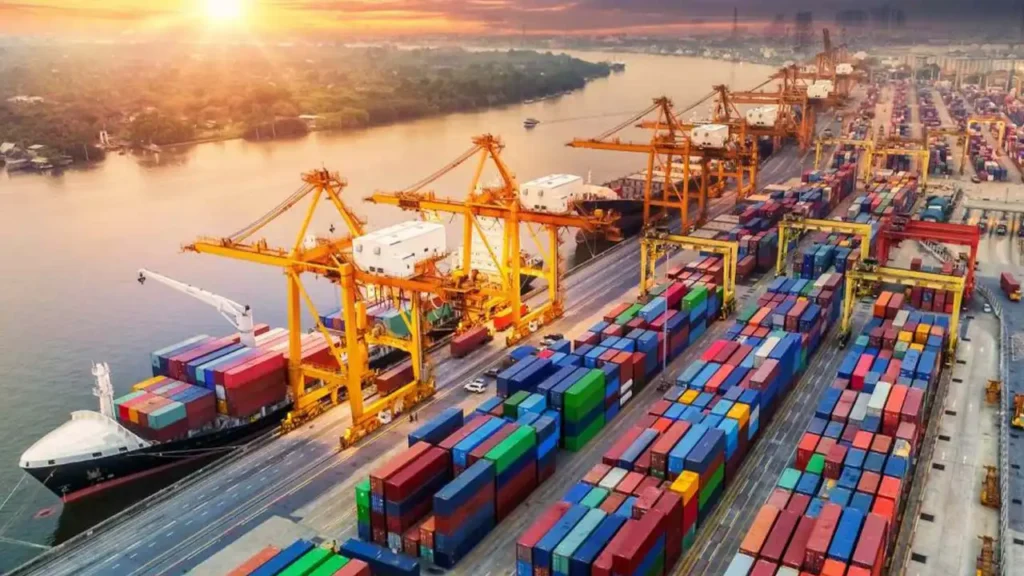
ISLAMABAD: Pakistan’s Ministry of Commerce has signalled that it may fall short of the government’s ambitious $60 billion export target by 2029, citing tough global conditions, high local costs, and policy bottlenecks.
According to Business Recorder, the ministry said a combination of international disruptions, including the impact of US tariffs, the protracted war in Ukraine and weakening global demand, has made it difficult to sustain export growth. On the domestic front, exporters continue to grapple with soaring energy prices, outdated infrastructure and slow reforms.
While the target remains a policy aspiration, officials admit that delivering on it will require a “whole-of-government” approach, focused on policy coordination, smarter incentives, and reliable energy supply.
“We are working to reduce policy rates and ramp up export facilitation schemes,” the ministry said, adding that concessional financing is being revived to encourage solar energy use and expand industrial output. Efforts are also under way to review wheeling charges to make electricity more affordable for industry.
According to Business Recorder, to tackle inefficiencies at home, a new domestic commerce policy is in the works aimed at boosting local production and surplus for export. At the same time, the ministry is drawing up a revised e-commerce policy, focused on strengthening digital infrastructure and making it easier for online businesses to trade across borders.
Tariff rationalisation remains high on the agenda, as do efforts to speed up refund claims and ease clearance procedures for imported inputs. These steps, the ministry believes, will improve the business climate and lift competitiveness.
Sector-specific roadmaps have been rolled out in areas such as textiles, mining, food processing, and services. The aim is to grow non-textile exports without sidelining the textile sector, which remains the backbone of the country’s foreign sales.
Still, officials acknowledge that major progress hinges on attracting foreign investment, relocating industries, and tapping into untapped mineral resources, ambitions that may take time to realise.
Read next: Toyota Vitz still Pakistan’s favourite small Japanese car in 2025
You May Also Like