- Web Desk
- Apr 05, 2026
Saudi Arabia: $5 billion investment surge fuels expansion in key real estate sectors
-

- Web Desk Karachi
- Sep 18, 2024
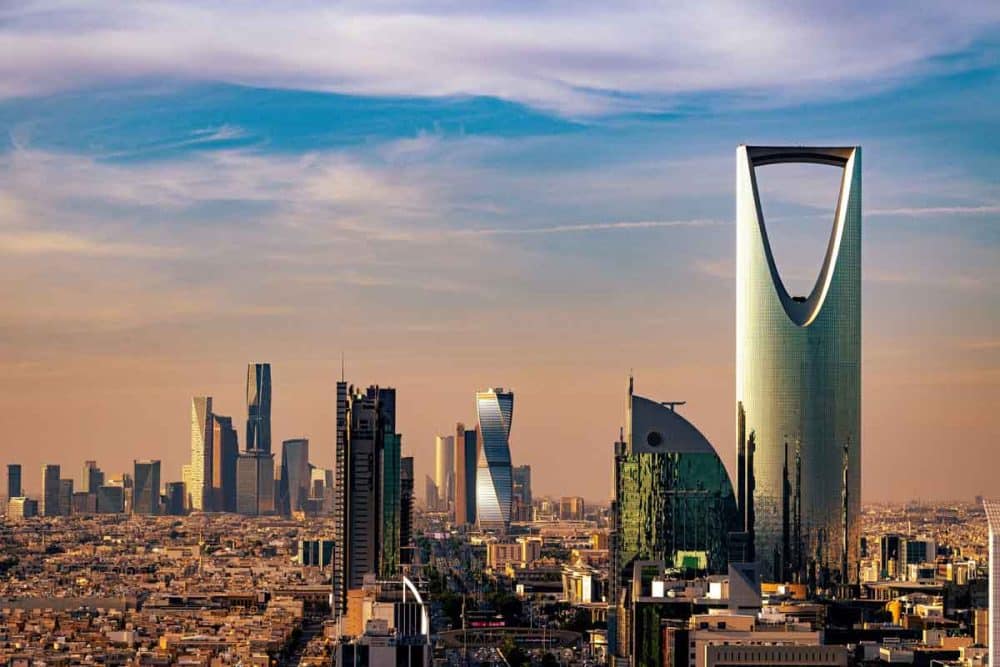
Saudi Arabia’s current infrastructure development and projects have fueled significant growth in the kingdom’s real estate market. In the first half of 2024, Riyadh and Jeddah saw the delivery of 27,500 residential units, increasing the total supply to approximately 1.46 million units in the capital and 891,000 in Jeddah. An additional 16,000 units are expected to be added in both cities by the end of the year, reported nukta.
According to JLL’s KSA Real Estate Market Dynamics Report, the residential and hospitality sectors have been the standout performers during the first half of 2024. The government’s efforts to boost home ownership, along with the expansion of entertainment options and tourist visas, have contributed to this growth.
The residential sale prices rise by 10% year-on-year, while rents increased by 9%. In contrast, Jeddah’s growth was more moderate, with sale prices up by 5% and rents growing by 4%. The report also highlighted the shift in residential development within the Dammam Metropolitan Area (DMA), where Khobar led the activity. Sale prices in the region have remained stable, while rents experienced a 4% annual increase.
The hospitality sector also saw impressive growth in the first half of 2024. As Saudi Arabia prepares to welcome 150 million visitors by 2030, the average occupancy rate increased by 1% in the first half of the year, and the average daily rate (ADR) rose by 7%, resulting in an 8% increase in revenue per available room (RevPAR). The Holy Cities of Makkah and Medina recorded notable year-on-year RevPAR growth, with increases of 4% and 15%, respectively. Riyadh also saw its ADR rise by 25%, driven by an increase in corporate visitation.
The government’s Vision 2030 plan and its $800 billion investment in tourism over the next decade are expected to further support the hospitality sector, with major events like the Asian Cup 2027, Asian Winter Games 2029, Expo 2030, and FIFA World Cup 2034 on the horizon.
As Saudi Arabia prepares to welcome 150 million visitors by 2030, the average occupancy rate increased by 1% in the first half of the year, and the average daily rate (ADR) rose by 7%, resulting in an 8% increase in revenue per available room (RevPAR). The Holy Cities of Makkah and Medina recorded notable year-on-year RevPAR growth, with increases of 4% and 15%, respectively.
The introduction of a star rating system aims to enhance quality standards in the tourism industry, ensuring long-term market improvement.
In terms of office space, Riyadh added 52,000 sq m of new office space, bringing its total to 5.2 million sq m. Jeddah’s office stock remained steady at 1.21 million sq m. The demand for high-quality, Grade A office spaces continues to rise, particularly in Riyadh’s northern region, leading to a 19% year-on-year increase in Grade A rents in the capital.
The retail sector saw activity remain stable in Riyadh, with 77,000 sq m of new retail space expected later in 2024. Jeddah expanded its retail offering by adding 106,000 sq m of space at Souq 7, bringing its total to 2.16 million sq m. However, rents for regional malls in Jeddah saw a slight decline of 4% year-on-year, while super regional malls experienced a 4% increase.
Saud Alsulaimani, Country Head, JLL KSA, highlighted the positive trajectory of Saudi Arabia’s real estate market, driven by population growth, infrastructure development, and government-backed initiatives. He emphasized that the kingdom is on track to achieve its Vision 2030 goals, with strategic collaboration between the government and private sectors playing a crucial role in sustaining long-term growth and resilience in the real estate industry.
You May Also Like