- Web
- Feb 05, 2026
The govt will not introduce mini-budget, Aurangzeb
-

- Web Desk Karachi
- Nov 18, 2024
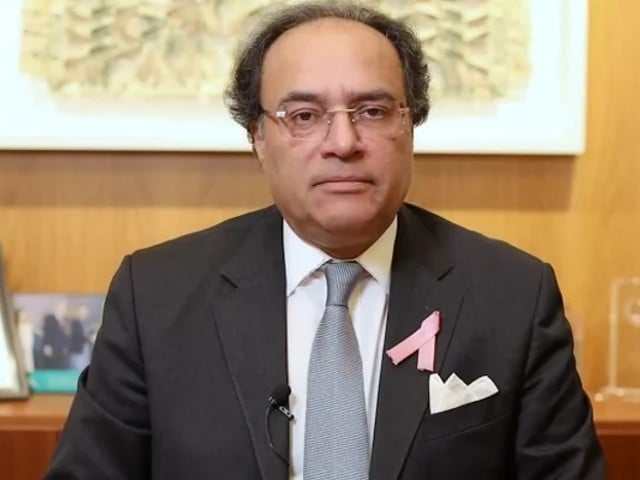
ISLAMABAD: Federal Finance Minister Muhammad Aurangzeb has confirmed that the government will not be introducing a mini-budget following productive discussions with the International Monetary Fund (IMF). He assured that the Federal Bureau of Revenue (FBR) is on track to meet its tax collection target of Rs12,970 billion.
Speaking to reporters on Saturday, the minister noted that Pakistan has successfully reached its primary surplus target, the cabinet has approved the National Fiscal Pact, and there is no need to amend the National Finance Commission (NFC).
He stated that improvements in tax collection will be achieved through better enforcement and administrative measures, expressing gratitude to the Chief Minister of Sindh for endorsing the Fiscal Packet and acknowledging the support from the Khyber Pakhtunkhwa government on matters of national interest.
Regarding macro-fiscal forecasts for the budget, Aurangzeb mentioned that the IMF has called for strengthening the capabilities of the Finance Division (FD). He described the talks with the IMF as constructive and productive, noting that virtual negotiations are ongoing, with some discussions requiring in-person meetings.
The minister highlighted that the dialogue with the IMF was transparent and fact-based, with the global lender’s team attentively considering Pakistan’s perspective and showing satisfaction with the conversations.
“The IMF’s visit was not focused on reviewing the economy but rather on building confidence,” Aurangzeb remarked, emphasizing his experience as a first-time finance minister with a background in private banking.
Earlier, the IMF stated that it has encouraged Pakistan to expand its tax base by tapping into previously unused revenue sources, as the country faces challenges in increasing tax collection. The Fund indicated that staff visits are routine for countries undergoing semi-annual program reviews, aimed at engaging with authorities and stakeholders regarding the nation’s economic conditions, policies, and planned reforms.
You May Also Like