- Web Desk
- Jul 09, 2025
KU NNRC celebrates 50th anniversary
-

- Web Desk Karachi
- Oct 10, 2024
The National Nematological Research Centre (NNRC) of the University of Karachi hosts 17th nematological event: “advances in nematology and emerging threats”, to highlight the latest developments and challenges in the field of nematology.
The inaugural session was held at the KU’s International Centre for Chemical and Biological Sciences’s Saleem-uz-Zamaan Siddiqui Auditorium on Wednesday. The three-day event is also celebrating the 50th anniversary of the NNRC which has been a cornerstone of nematological research in Pakistan.
Speakers shared invaluable insights into emerging nematological challenges and innovations. The event offered a unique opportunity to network with leading scientists and explore cutting-edge research in the field.
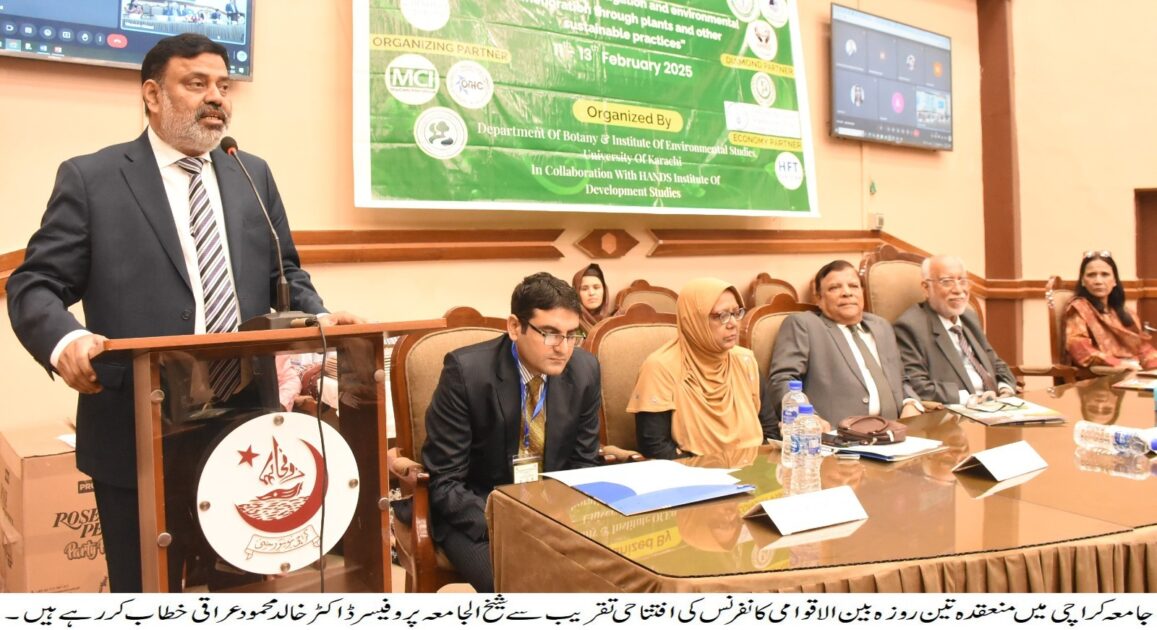
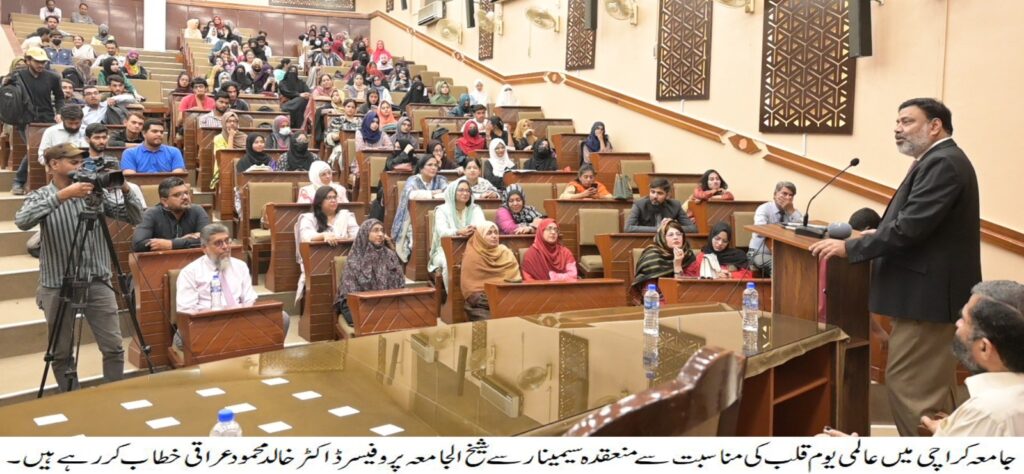
The KU Vice Chancellor Professor Dr Khalid Mahmood Iraqi inaugurated the event and shared his thoughts on the significance of nematology research for Pakistan’s agricultural future. He praised NNRC’s contributions to sustainable agricultural practices through indigenous entomopathogenic nematodes.
He said that over the past fifty years, the Centre has grown exponentially and provided quality and holistic education to students from diverse backgrounds. Its role in disseminating knowledge of nematological-related issues, significant community services, and crop safety is well known in this region.
The KU VC Professor Dr Khalid Mahmood mentioned that during this long time, the NNRC has rendered an invaluable service to the nation and society. He added that how the NNRC has shaped the nematological research work and also contributed to its fantastic growth and development in a very strong and credible manner speaks volumes of the devotion and dedication with which the larger cause has been promoted in a manner which by itself is a role model in its own right.
The Patron-in-Chief of Professor Dr Manzoor Hussain Soomro Pakistan Society of Nematologists (PSN) focused on the history and progress of nematological research in Pakistan and the region. He highlighted the need for continuous scientific efforts to address the growing challenges posed by nematodes.
He quoted that according to the American Society of Phytopathology, it is estimated that economic losses in the agricultural sector due to nematodes represent 14 percent of the worldwide crop yield losses, which is almost US$125 billion annually, caused by over 4100 species of plant parasitic nematodes.
He said that the effect of nematodes on agriculture is often underestimated as they produce non-specific symptoms that are often confused with situations of water stress, nutritional disorders, soil fertility problems, or other secondary fungal or bacterial infections that are usually favored by the action of these organisms.
Dr Soomro added that the changes in research are unlimited in view of the advances in the technologies used and the new challenges the field of Plant Nematology faces. Some of the greatest challenges that humanity will have to face in the future are related to nematodes. These include scarce water resources, pest control, intensive agriculture, and crop diseases. However, to advance knowledge, the application of new technologies in processes such as rapid diagnosis of nematodes or in-situ identification of species will be fundamental.
He observed that in the wake of the natural disasters that have happened during the last decade in Pakistan, the whole picture of the nematode fauna of Pakistan needs to be reviewed and nematode distribution maps to be prepared afresh.
One of the speakers, the Head of the Food and Agriculture Organization (FAO) in Sindh James Robert Okoth stressed the need for sustainable agricultural practices and the role of nematodes in improving soil health and integrated pest management.
Another speaker, Professor Dr Toshiyoshi Yoshiga from the Faculty of Agriculture, University of Saga, Japan, presented a Country Report on Japan’s advancements in nematology, showcasing their research on nematode diversity and pest management.
He mentioned that in light of growing global agricultural challenges, Pakistan and Japan are fostering stronger ties in the field of nematology, with a shared commitment to sustainable pest management and agricultural innovation.
“Both countries have long histories of research in nematology, focusing on the nematode identification, development, and application of nematodes for biocontrol in agriculture. Japan, with its advanced agricultural technologies, has been at the forefront of nematode research for decades.”
He shared that Japan’s emphasis on sustainable farming practices aligns with Pakistan’s vision to reduce chemical pesticide use and promote environmentally friendly pest control solutions. Dr Yoshiga said that the fields of nematode taxonomy and identification are witnessing new advancements as Pakistan and Japan strengthen their collaboration in agricultural research
The KU Dean of the Faculty of Science Professor Dr Musarrat Jahan emphasized the importance of interdisciplinary collaboration and the need for innovation in nematology research to combat the threats posed by nematodes to food security.
Earlier, the KU Director of NNRC Dr Saboohi Raza shared the Center’s progress over the past five decades and its vital role in tackling nematode-related challenges.
During the inaugural ceremony, a special tribute was made to the founder of NNRC, Dr Maqbool Ahmed (late), whose pioneering efforts laid the foundation for nematological research in the country. His role in developing the field of nematology was recognized, and in his honor, a shield was presented posthumously. A family member of Dr Maqbool Ahmed was invited to the stage to receive the award on his behalf, acknowledging his lasting legacy in advancing this vital scientific field.
The ceremony also honored Professor Dr Shahina Fayyaz (late), who was instrumental in the success of NNRC, as well as the establishment of the Pakistan Journal of Nematology and the Pakistan Society of Nematologists (PSN). Her dedication and leadership were celebrated, and her family was invited to the stage to receive a commemorative award in recognition of her immense contributions.
Later on, the Associate Editor of the Pakistan Journal of Nematology and PSN newsletter Dr Firoza Kazi was awarded a gold medal for her outstanding contributions. With over 35 years of extensive research and teaching experience in nematology, Dr Kazi has played a key role in elevating the journal’s standard to meet HEC-recognized levels. Her exceptional work in scientific publishing and her contributions to the field have set a high bar for future generations of researchers.
You May Also Like