- Web Desk
- 3 Hours ago
2025 marked as one of the bleakest years for women in Afghanistan
-

- Web Desk
- Jan 03, 2026
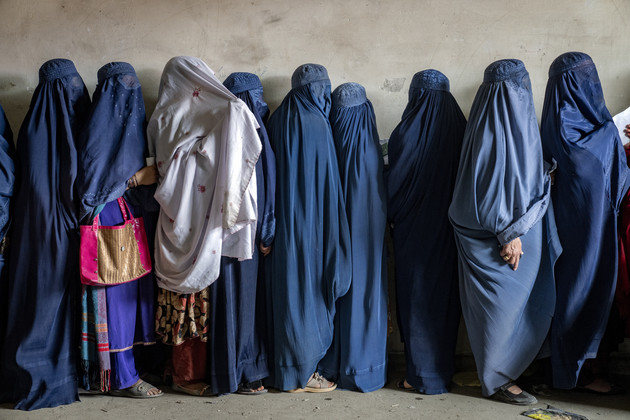
WEB DESK: The year 2025 has been described as one of the most difficult and painful periods for women in Afghanistan, with multiple reports highlighting the continued erosion of their rights to education, employment and public participation under Taliban rule.
According to Amu TV, restrictions on women’s access to education and jobs remained firmly in place throughout the year, further marginalising women across the country. In Kabul and several other cities, women were reportedly forced to comply with strict dress codes, with authorities enforcing regulations through intimidation and workplace controls.
The situation in higher education has also deteriorated. Afghan media outlets reported that female academics and staff continue to be dismissed from universities, further shrinking professional opportunities for women. At Herat University alone, at least 81 female employees were removed from their positions, Amu TV said, calling it part of a broader pattern targeting women in academic institutions.
In addition to domestic restrictions, the Taliban have also barred Afghan women from working with United Nations agencies and other international organisations, a move that has drawn sharp criticism from human rights groups and aid agencies. The ban has not only cut off vital sources of income for women but has also affected the delivery of humanitarian assistance in the country.
An Afghan daily, Hasht-e Subh, described 2025 as the “worst year” for Afghan women, noting that the cumulative impact of restrictions has pushed women further out of public life. Afghan women interviewed by local media said many institutions are now reluctant to hire female staff due to fear of repercussions from authorities.
The United Nations has also raised alarm over the scale of exclusion facing Afghan women. According to UN data, nine out of every ten women in Afghanistan are currently deprived of access to education, employment and vocational training, a figure that shows the severity of the crisis.
The UN further warned that silencing women’s voices and criminalising peaceful protest has effectively become official policy under the Taliban regime. Women who speak out or attempt to organise have faced harassment, detention and intimidation, leaving little space for dissent or advocacy.
Rights groups say the continued rollback of women’s freedoms is deepening poverty, social isolation and long-term instability in Afghanistan, with lasting consequences for future generations.