- Web Desk
- Now
Afrika Bambaataa dead at 68 as ‘Godfather of hip-hop’ legacy faces renewed scrutiny
-

- Aasiya Niaz
- 2 Minutes ago
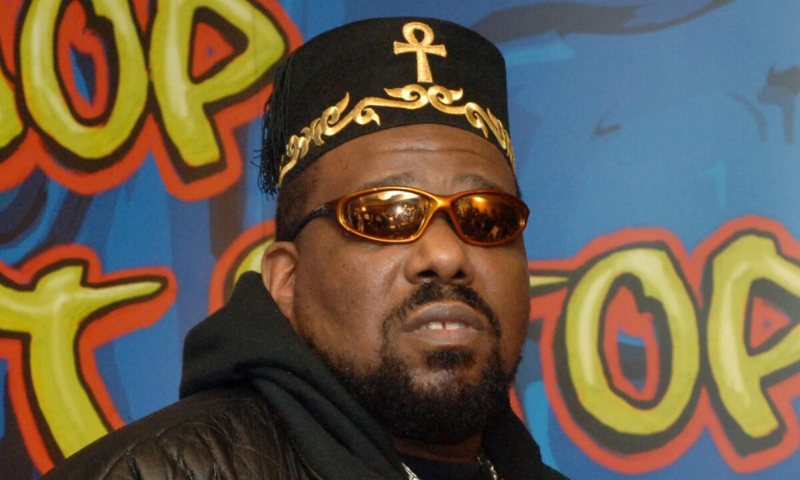
Afrika Bambaataa, one of the founding figures of hip-hop, has died at the age of 68, with his passing reigniting debate over a legacy shaped by both musical influence and serious allegations.
The Bronx-born DJ and producer, often called the “Godfather of hip-hop”, was confirmed dead by hip-hop organisations including the Hip Hop Alliance. Reports said he died on Thursday, with some citing complications from cancer, though full details have not been officially confirmed.
Architect of a global movement
Born Lance Taylor in New York City to Caribbean immigrant parents, Bambaataa played a central role in shaping hip-hop during its earliest years.
In 1973, he co-founded the Universal Zulu Nation, a collective aimed at steering youth culture away from violence and towards music, art and community.
His 1982 hit ‘Planet Rock’ became a defining track of the genre, helping push hip-hop onto the global stage and influencing generations of artists.
Over the decades, he worked with musicians including James Brown and John Lydon, and contributed to politically driven projects such as the anti-apartheid song ‘Sun City’.
Allegations cast long shadow
In later years, Bambaataa’s reputation was overshadowed by multiple allegations of child sexual abuse and trafficking, which he consistently denied.
He stepped down from the Universal Zulu Nation in 2016 after accusations dating back decades emerged, marking a turning point in how his legacy was viewed.
In 2025, he lost a civil case tied to those allegations after failing to appear in court, intensifying scrutiny around his past.
A legacy under debate
While widely credited with helping transform the Bronx into the birthplace of a global cultural movement, Bambaataa’s contributions remain deeply contested.
His death is likely to renew discussion within the music world over how to reconcile his role in hip-hop’s rise with the allegations that later defined his public image.
You May Also Like