- Web Desk
- 1 Minute ago
Airlines cancel more flights as Middle East conflict escalates
-

- Web Desk
- Mar 13, 2026
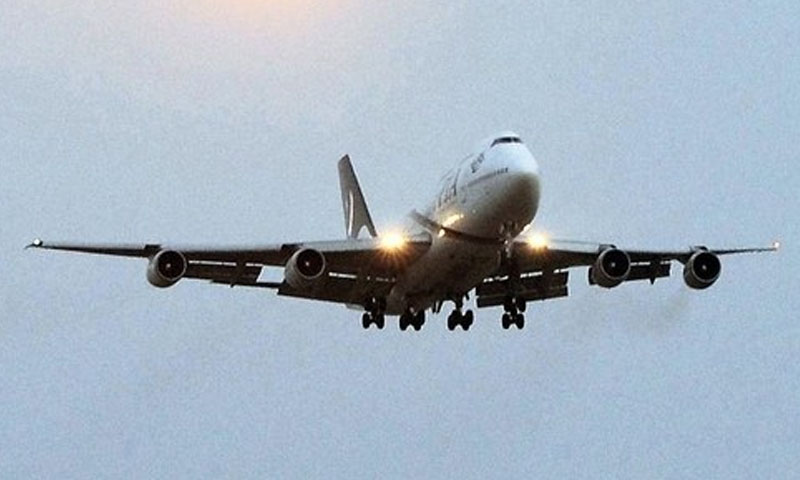
DUBAI: Global air travel continues to face major disruption as the ongoing war involving Iran has forced the closure of key aviation hubs in the Middle East, including Dubai, Doha and Abu Dhabi, leaving tens of thousands of passengers stranded and prompting airlines worldwide to cancel or suspend flights.
Airlines across Europe, Asia and North America have announced extended suspensions of services to major cities in the region, citing safety concerns and restricted airspace as the conflict intensifies.
Greece’s largest carrier Aegean Airlines said it had cancelled flights to Tel Aviv, Beirut, Erbil and Baghdad until March 29, while services to Dubai remain suspended until March 28 and flights to Riyadh until March 14.
Latvia’s airBaltic cancelled all flights to Tel Aviv until March 28 and to Dubai until March 30. Air Canada also suspended flights to Tel Aviv until May 2 and halted services to Dubai until March 28.
Spain’s Air Europa cancelled all flights to Tel Aviv until March 20. Air France suspended flights to Tel Aviv and Beirut through March 15 and to Dubai and Riyadh until March 14. KLM, part of the Air France-KLM group, said flights to Riyadh, Dammam and Dubai would remain suspended until March 28, while services to Tel Aviv were halted for the remainder of the winter season.
Cathay Pacific cancelled all flights to and from Dubai and Riyadh until March 31, while U.S. carrier Delta cancelled its New York–Tel Aviv flights until March 31 and Tel Aviv–New York flights until April 1. The airline also delayed the restart of its Atlanta–Tel Aviv route, suspending flights to Tel Aviv until August 4 and from Tel Aviv until August 5.
Israel’s El Al cancelled its regular flights until March 19.
UAE-based airlines Emirates and Etihad Airways said they were operating limited schedules. Emirates said it had reduced its flight operations, while Etihad resumed a restricted commercial schedule from Abu Dhabi to several destinations.
Finnair cancelled flights to Doha and Dubai until March 29 and said it was avoiding the airspace of Iraq, Iran, Syria and Israel due to safety concerns.
British Airways, owned by IAG, cancelled all flights to Abu Dhabi until later this year and suspended services to Amman, Bahrain, Doha, Dubai and Tel Aviv until later in March.
Italy’s ITA Airways suspended flights to Tel Aviv until April 2 and extended cancellations to Dubai until March 28.
Japan Airlines halted Tokyo–Doha flights from February 28 to March 21 and Doha–Tokyo flights until March 22.
Poland’s LOT cancelled flights to Dubai until March 28 and to Tel Aviv until March 31. The airline also halted services to Riyadh until March 24 and cancelled Beirut flights scheduled between March 31 and April 30.
Germany’s Lufthansa Group — which includes Lufthansa, Austrian Airlines, Swiss and Brussels Airlines — suspended flights to Tel Aviv until April 2 and to Beirut and Dubai until March 28. Flights to Tehran remain suspended until April 30, while services to Amman, Erbil, Dammam and Abu Dhabi are cancelled until March 15.
Malaysia Airlines suspended all flights to Doha until March 20.
Norwegian Air said it now plans to resume flights to Tel Aviv and Beirut from June 15, delaying earlier plans to restart operations in early April.
Turkish low-cost carrier Pegasus cancelled flights to Iran, Iraq, Amman, Beirut, Kuwait, Bahrain, Doha, Dammam, Dubai, Abu Dhabi and Sharjah until March 31, while services to Riyadh remain suspended until March 23.
Qatar Airways said it was operating a limited schedule to and from Doha following temporary authorisation from the Qatar Civil Aviation Authority.
Saudi Arabia’s Saudia suspended flights to Amman, Kuwait, Abu Dhabi, Doha and Bahrain until March 12, with some exceptional services continuing. Flights to Moscow and Peshawar remain suspended until March 15.
Turkey’s transport ministry said Turkish Airlines cancelled flights to Iraq, Syria, Lebanon, Jordan, Doha, Dubai, Abu Dhabi, Kuwait, Bahrain and Dammam until March 19, while flights to Iran remain cancelled until March 20.
Hungary-based Wizz Air suspended flights to Israel until March 29 and halted services to Dubai, Abu Dhabi, Amman and Jeddah from mainland European destinations until mid-September.
The escalating conflict has forced airlines to reroute flights or suspend services entirely, creating one of the most significant disruptions to global aviation in recent years.
You May Also Like