- Web Desk
- 4 Minutes ago
All accused acquitted in Dadu triple murder case; Umme Rubab vows legal battle
-

- Web Desk
- 3 Minutes ago
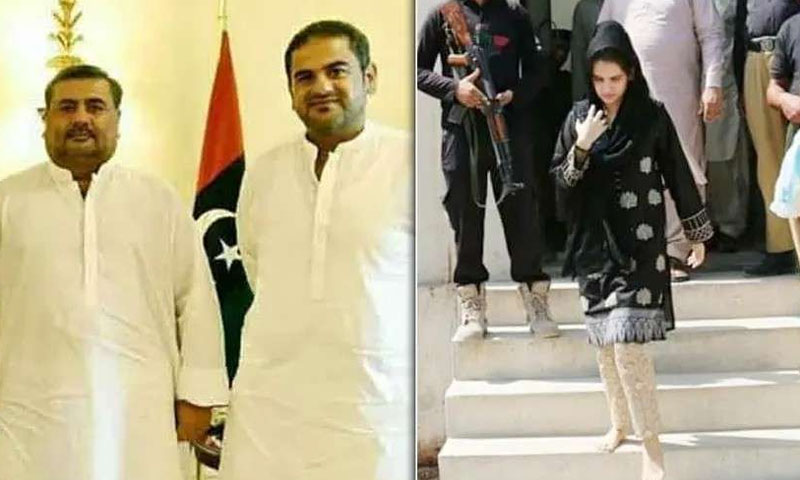
DADU, Sindh: A court in Dadu on Monday acquitted all eight accused in the high-profile 2018 triple murder case involving the family of lawyer and activist Umme Rubab Chandio, bringing an end to a trial that spanned more than seven years and hundreds of hearings.
The verdict was announced by a Model Criminal Trial Court after prolonged proceedings, during which witness testimonies were recorded and final arguments heard. The case had drawn nationwide attention due to its alleged links to influential political and tribal figures.
The case dates back to January 17, 2018, when armed men attacked a house in Mehar, Dadu district, killing three members of Chandio’s family — her father Mukhtiar Chandio, grandfather Karamullah Chandio and uncle Qabil Chandio. Prosecutors alleged the killings were linked to the family’s challenge to the local feudal structure through the formation of a “Tamandar Council”.
Eight individuals were nominated in the case, including two sitting Sindh Assembly members, Sardar Ahmed Chandio and Burhan Khan Chandio, as well as former SHO Karim Bux Chandio. At the time of the verdict, four of the accused were in custody while the others were out on bail.
The trial, which reportedly involved over 400 hearings, was marked by delays and transfers between multiple courts, including anti-terrorism courts in Naushahro Feroze, Sukkur and Mirpur Mathelo, before being moved to Dadu.
Security was tightened across Dadu ahead of the verdict, with Section 144 imposed and hundreds of police personnel deployed in and around the judicial complex. Authorities restricted public access to the court premises and set up checkpoints along key routes due to fears of unrest.
Speaking to the media after the ruling, Umme Rubab Chandio rejected the verdict and vowed to challenge it in higher courts. She said that while the decision had been issued by a court of law, “the public already knows what is true,” adding that she believed her side had already prevailed “in the court of public opinion.”
Her lawyer also confirmed that appeals would be filed in the high court and the Supreme Court, arguing that despite witness testimony and medical evidence, all accused had been cleared.
The case had earlier gained prominence when Chandio staged dramatic protests, including climbing onto the vehicle of a former chief justice to highlight delays in justice. Over the years, she became a symbol of resistance against feudal influence in interior Sindh.
The acquittal sparked widespread reaction on social media, with many users expressing outrage and questioning the effectiveness of the criminal justice system in cases involving powerful individuals.
The verdict marks a significant development in one of Sindh’s most closely watched criminal cases, but with appeals expected, the legal battle is likely to continue.
You May Also Like