
- Reuters
- September 30, 2026
Any attempt to usurp Indus water rights will be treated as an ‘act of war’, says Tarar
-

- WEB DESK
- September 30, 2026
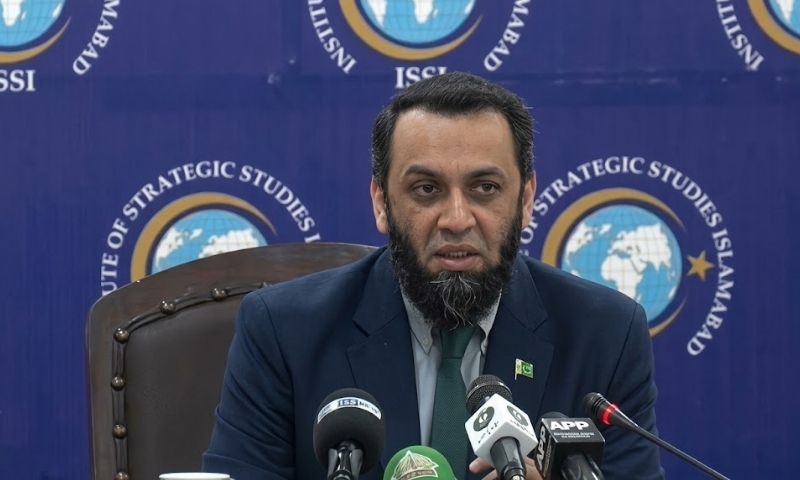
ISLAMABAD: Information Minister Atta Tarar has said Pakistan will treat any attempt to deprive it of its share of Indus waters as an “act of war,” reiterating that the Indus Waters Treaty cannot be unilaterally altered, revoked or placed in abeyance.
Addressing an event at the Institute of Strategic Studies Islamabad on Wednesday, Tarar said the Indus waters were the “lifeblood” of Pakistan’s people and the region, stressing that the government would continue to defend the country’s vital national interests in accordance with international law.
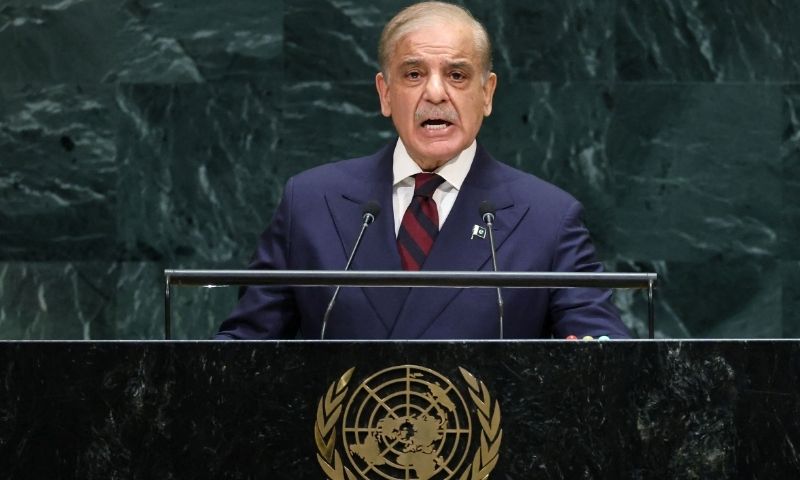
“Recently, at the 81st session of the United Nations General Assembly, Prime Minister Shehbaz Sharif said that the Indus water is the lifeblood of our people and of our region. Any attempt to usurp this right will be treated as an act of war,” he said.
Tarar said the Indus Waters Treaty was a legally binding instrument that defined the rights and obligations of both parties. He argued that its provisions did not permit either side to unilaterally alter, revoke, rescind or suspend the agreement.
“Neither can this treaty be unilaterally altered, rescinded, revoked or held in abeyance,” he said, adding that even in the event of a dispute, both parties were required to adhere to the treaty’s terms and conditions.
Court of Arbitration
Referring to the Court of Arbitration’s proceedings in August 2025, the minister said the decision had strengthened Pakistan’s position that there could be no unilateral attempt to change the status of the treaty.
Tarar said Pakistan had pursued the issue through diplomatic channels, engaging the international community and presenting its legal and diplomatic position.
He said the Foreign Office and Ministry of Information and Broadcasting had also been engaging international organisations and countries in the region because the Indus Waters Treaty was an instrument of “peace and stability.”
Pakistan’s sacrifices in War on Terror
The minister also rejected India’s justification of its actions on the basis of alleged cross-border terrorism.
He said Pakistan had suffered heavily in the fight against terrorism, claiming that more than 100,000 Pakistanis had lost their lives and that the country had incurred economic losses of more than $150 billion over several decades.
“When one Pakistani citizen lays down his or her life in the war against terrorism, yes, it is to make Pakistan safer, but it also makes the world a safer place,” Tarar said.
He further alleged that India had faced international accusations of transnational repression, including allegations involving Sikhs in Canada and other countries.
‘Will not allow water to be weaponised’
Tarar described attempts to “weaponise water” and create controversy around the Indus Waters Treaty as unjustifiable on legal, diplomatic and moral grounds.
He said Pakistan’s position had remained clear and that it had received support from countries that endorsed its stance.
“We are a peaceful nation, we believe in peace. But we will not allow India to weaponise water because that is a fundamental and basic right of the 240 million people of Pakistan,” he said.
Warns of wider international implications
The minister also warned of wider international implications if a country were allowed to unilaterally suspend a binding water-sharing treaty despite established dispute-resolution mechanisms.
He said such a precedent could affect transboundary water governance and have implications for other countries with agreements governing shared water resources.
“This is why the work of the Institute of Strategic Studies Islamabad is important,” Tarar said, stressing that research institutions had a responsibility to examine such developments from historical, legal and strategic perspectives and provide policymakers and the international community with evidence-based analysis.
Report examines treaty’s legal and strategic dimensions
Tarar said the special report launched by the institute examines the history of the Indus Waters Treaty, the legal dimensions of India’s decisions, developments in upstream water infrastructure and the strategic implications for Pakistan and the wider region.
“On behalf of the Government of Pakistan, I would like to reiterate that we will continue to engage the international community and we will continue to defend Pakistan’s vital national interests in accordance with international law,” Tarar said.
He concluded by thanking the Institute of Strategic Studies Islamabad for the report and expressing the government’s intention to continue working with the institution on the issue.