- Aasiya Niaz
- 1 Hour ago
Araghchi to meet IAEA chief in Geneva ahead of crucial US–Iran nuclear talks
-

- Web Desk
- Feb 16, 2026
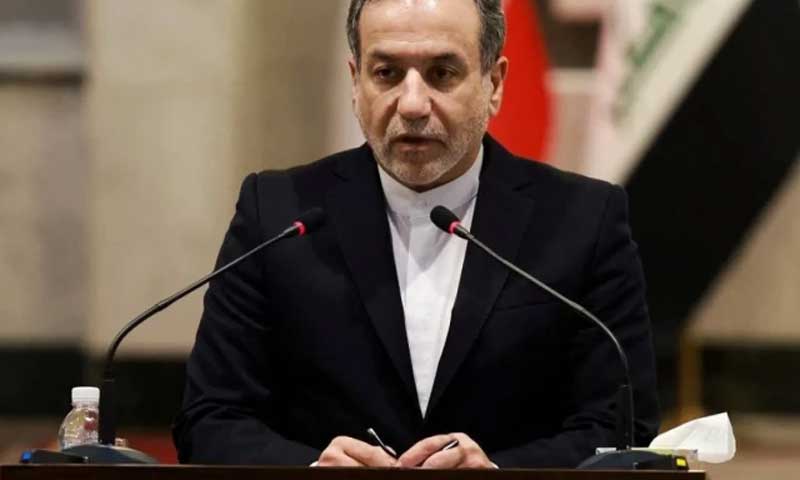
WEB DESK: Iran’s Foreign Minister, Abbas Araghchi, has announced he will meet Rafael Grossi, Director General of the International Atomic Energy Agency (IAEA), in Geneva on Monday for what he described as “deep technical discussions”. The talks, which will include Iranian nuclear experts, come a day before a pivotal second round of indirect negotiations between Iran and the United States, also due to take place in the Swiss city.
According to Reuters, the discussions are expected to focus on unresolved concerns surrounding Iran’s nuclear programme, notably the IAEA’s long-standing request for comprehensive access to inspection sites, clarification regarding Iran’s stockpile of highly enriched uranium, and the status of facilities damaged in earlier strikes. The agency has repeatedly urged Tehran to account for approximately 440 kilogrammes of highly enriched uranium following reported Israeli-US strikes in June on major installations at Natanz, Fordow and Isfahan.
Iran pushes for fair deal, rejects pressure
While Iran has permitted inspections at certain declared and undamaged facilities, it has resisted the full resumption of monitoring at bombed sites, citing safety considerations and calling on the IAEA to clarify its position regarding the attacks. A previous cooperation framework agreed in Cairo in September was subsequently abandoned by Tehran after Western powers reinstated United Nations sanctions.
Arriving in Geneva with a delegation of diplomatic and technical officials, Mr Araghchi stressed Iran’s willingness to engage in meaningful negotiations while rejecting what he characterised as coercive pressure. In a post on X, formerly Twitter, he wrote that he had come “with real ideas to achieve a fair and equitable deal”, adding: “What is not on the table: submission before threats.”
Tehran affirms peaceful nuclear intent as US shows military resolve
Tehran continues to insist that its nuclear activities are solely for peaceful, civilian purposes and has signalled readiness to provide assurances that uranium enrichment will remain confined to non-weapons applications. However, it has firmly rejected calls for zero enrichment on Iranian soil — a central demand of Washington, which regards domestic enrichment capability as a potential pathway to nuclear weapons development.
The Geneva meetings follow an earlier round of talks this month, taking place amid heightened regional tensions. The United States has deployed additional naval assets, including a second aircraft carrier, to the Middle East in what is widely seen as a demonstration of resolve. Broader diplomatic efforts aim to revive elements of dialogue in order to prevent further military escalation in the protracted dispute over Iran’s nuclear activities.
Monday’s meeting with Mr Grossi is viewed as a preparatory step to align technical understandings ahead of the high-stakes US–Iran discussions, which may also touch upon non-nuclear matters such as Iran’s missile capabilities. Tehran, however, has indicated that it intends to confine the scope of negotiations primarily to nuclear limitations and sanctions relief.
No immediate details of the outcome of the Araghchi–Grossi meeting were available at the time of reporting, though both sides characterised the exchanges as substantive and constructive in advance of Tuesday’s diplomatic engagement.
You May Also Like