
- WEB DESK
- September 23, 2026
Are hospitals too involved in child HIV outbreak in Pakistan?
-

- Sadiq Khan
- April 14, 2026
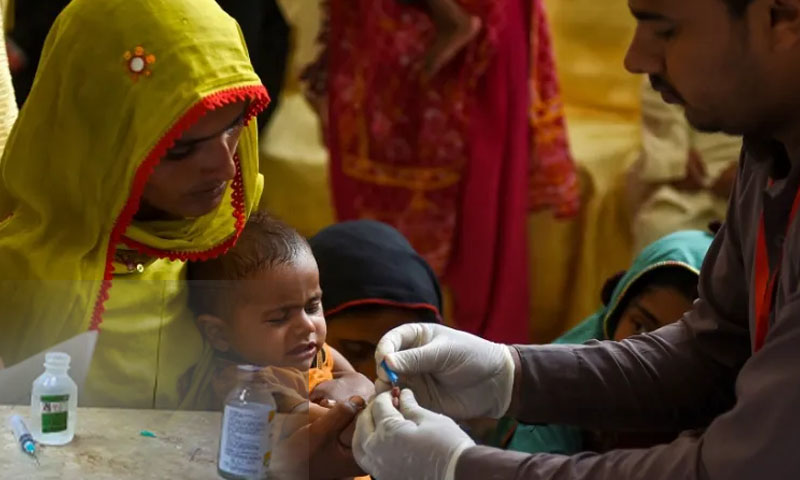
ISLAMABAD: A growing HIV outbreak among children in Taunsa, Punjab, has raised serious concerns about whether hospitals are playing a central role in the spread of the virus, despite official denials.
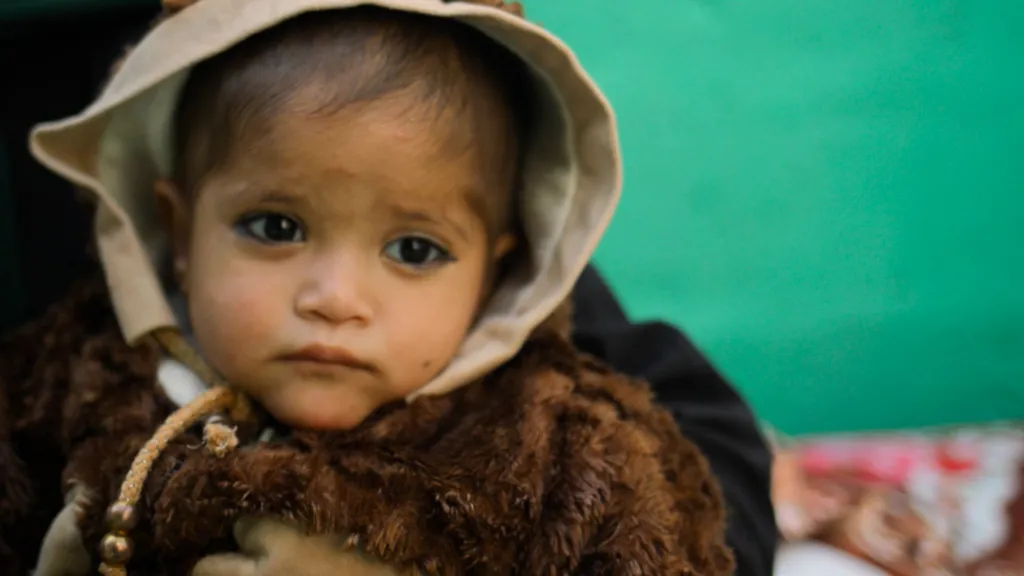
An investigation by BBC Eye has linked unsafe medical practices at the Tehsil Headquarters (THQ) Hospital in Taunsa to a surge in paediatric HIV cases. Between November 2024 and October 2025, at least 331 children in the city tested positive for HIV, with evidence suggesting many infections may have resulted from contaminated injections.
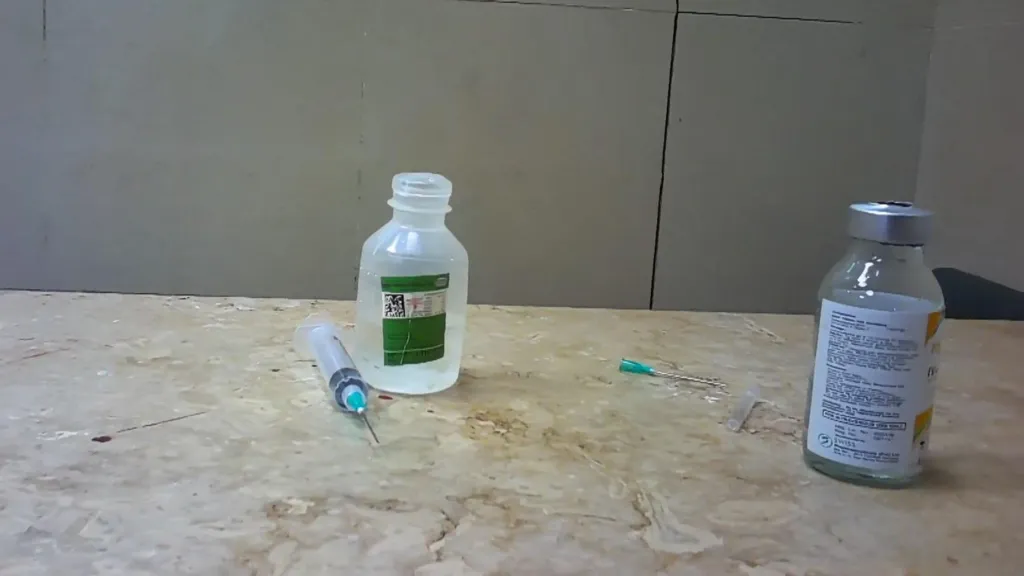
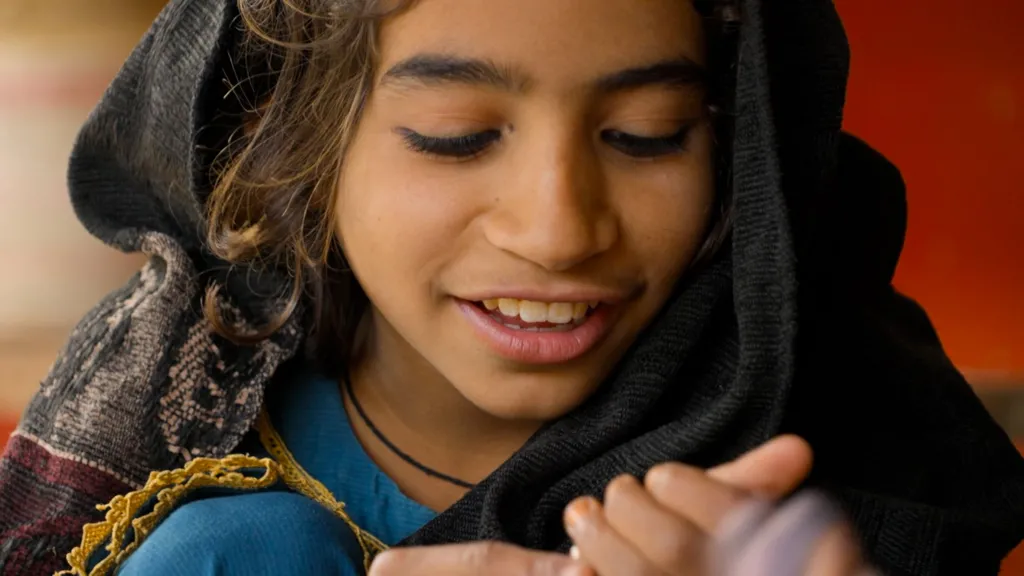
According to the BBC, families of the affected children allege that routine medical treatment exposed them to the virus. In one case, a mother told BBC that both her children contracted HIV after receiving injections at the government hospital. Data from the provincial AIDS screening programme further strengthens these claims, listing “contaminated needle” as the likely mode of transmission in more than half of the cases.
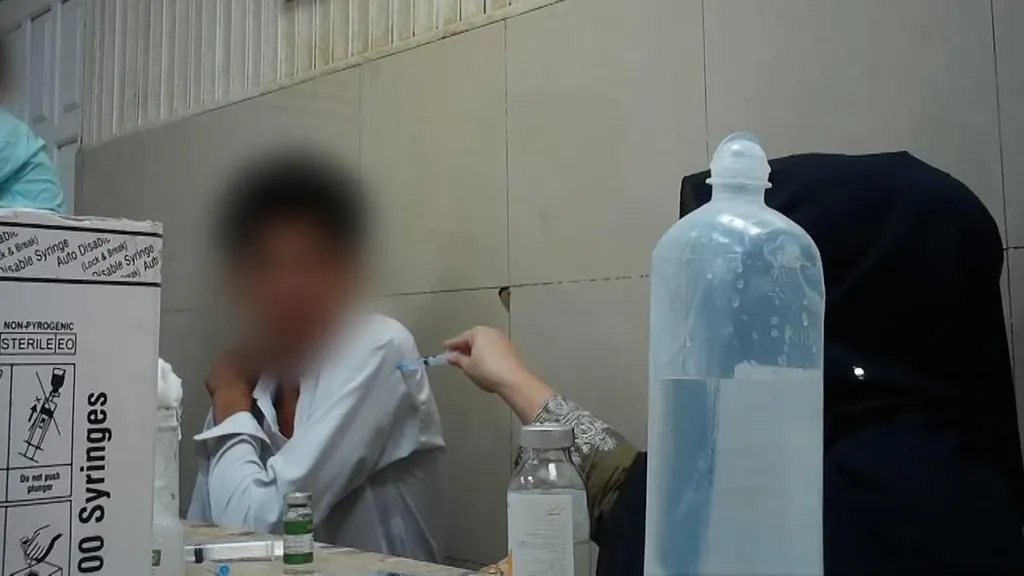
Undercover footage recorded by BBC Eye in late 2025 revealed repeated violations of basic infection control protocols inside THQ Taunsa. Medical staff were seen reusing syringes on multi-dose vials, potentially contaminating medicines administered to multiple patients. In several instances, the same vial was used for different children, significantly increasing the risk of transmission.
Health experts warn that such practices can directly spread blood-borne diseases. Even when needles are changed, the reuse of syringe bodies can carry viruses like HIV from one patient to another. The footage also showed staff administering injections without gloves and mishandling medical waste, which is highlighting broader systemic failures in infection control.
Despite these findings, hospital officials have rejected the allegations. The current medical superintendent has questioned the authenticity of the footage, while local authorities maintain that there is no conclusive evidence linking the hospital to the outbreak. They point instead to other possible factors, including unregulated private clinics and unsafe blood transfusions.
However, an inspection report by international health bodies, including WHO and UNICEF, identified similar lapses in hygiene and injection practices at the facility earlier in 2025. These findings, combined with continued infections, even after a government crackdown, suggest that the problem may be more deeply rooted.
Experts say the issue extends beyond a single hospital. Pakistan has one of the highest rates of therapeutic injections in the world, many of them unnecessary. Combined with shortages of medical supplies and overburdened staff, this creates conditions where unsafe practices can persist.

While it remains difficult to attribute the outbreak to one source definitively, the evidence points to hospitals, particularly where infection control is weak, as a significant factor. The situation underscores the urgent need for stricter oversight, better training, and reduced reliance on injections to prevent further infections among children.
You May Also Like

- WEB DESK
- September 23, 2026