
- Farah Mehjabeen
- October 26, 2026
Asian markets plunge as $1.5tri wiped out in global stock rout
-

- Reuters
- June 8, 2026
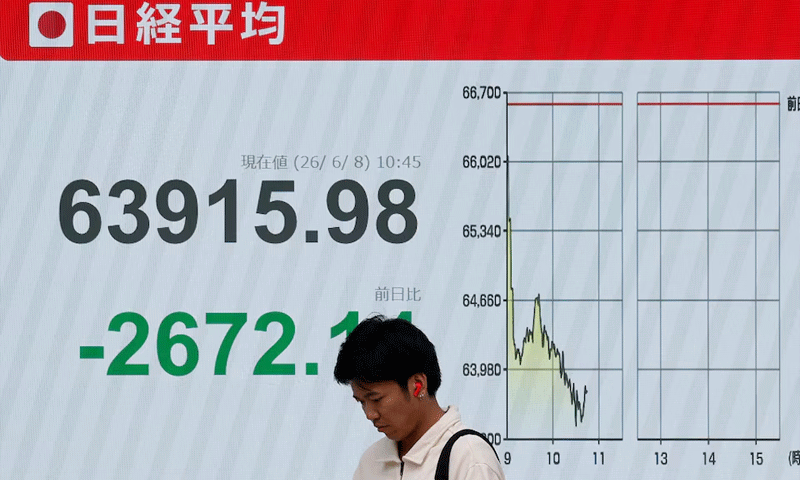
WEB DESK: Equity markets across Asia suffered a catastrophic meltdown on Monday, with an estimated $1.5 trillion in investor wealth wiped out in a single session.
The synchronised bloodbath was triggered by a bruising tech sector sell-off on Wall Street, stubborn US inflation concerns, and a sharp escalation in Middle East geopolitical tensions that sent shockwaves through global financial capitals.
Trading desks from Tokyo to Mumbai were engulfed in panic as major indices plummeted within minutes of the opening bell.
Market analysts described the rout as a massive unwinding of over-leveraged positions, forcing regional exchanges to scramble as investors aggressively pulled liquidity out of the year’s best-performing technology shares.
A bruising tech correction
The primary catalyst for the carnage emerged from the United States, where a severe correction in artificial intelligence and semiconductor valuations over the weekend rapidly crossed into Asian tech hubs.
Following disappointing corporate guidance from US chipmaker Broadcom on Friday, tech-heavy indices in Taiwan and South Korea bore the brunt of the global sell-off. South Korea’s benchmark KOSPI index led the regional decline with a five per cent slide, marking a sharp 13 pc drop from its record high just last week.
In Japan, the Nikkei 225 index plunged by nearly four per cent, with market darlings across the computer-chip production supply chain falling the furthest.
Taiwan’s benchmark index similarly sank by 3.9 pc. Analysts noted that because Asian technology names had been among the strongest global performers this year, they became a natural target for institutional investors looking to lock in profits and raise quick cash as global market sentiment soured.
Macroeconomic pressures and oil spikes
Compounding the tech rout were macroeconomic headwinds from Washington, where a surprisingly strong US jobs report effectively dashed hopes of near-term interest rate cuts by the Federal Reserve, raising fears of an “overheating” economy.
The prospect of borrowing costs remaining higher for longer bolstered the US dollar and pushed up Treasury yields, triggering capital flight from emerging markets. In India, the benchmark Nifty 50 faced heavy downward pressure, translating to a multi-trillion rupee loss for domestic investors.
Adding fuel to the fire, the delicate geopolitical situation in the Middle East worsened as Brent crude futures jumped 3.5 per cent to $96.45 a barrel on Monday.
The spike followed confirmation that Israel had struck military targets in western and central Iran over the weekend, completely overshadowing an agreement by OPEC+ to increase oil output targets.
With key US consumer price inflation data due on Wednesday and a mega initial public offering (IPO) from SpaceX expected to drain further liquidity from the market later this week, market observers warn that regional equities may face sustained volatility.
You May Also Like