
- Web
- 5 Hours ago
At least 23 killed in coordinated suicide bombings in north-east Nigeria
-

- Web Desk
- Mar 18, 2026
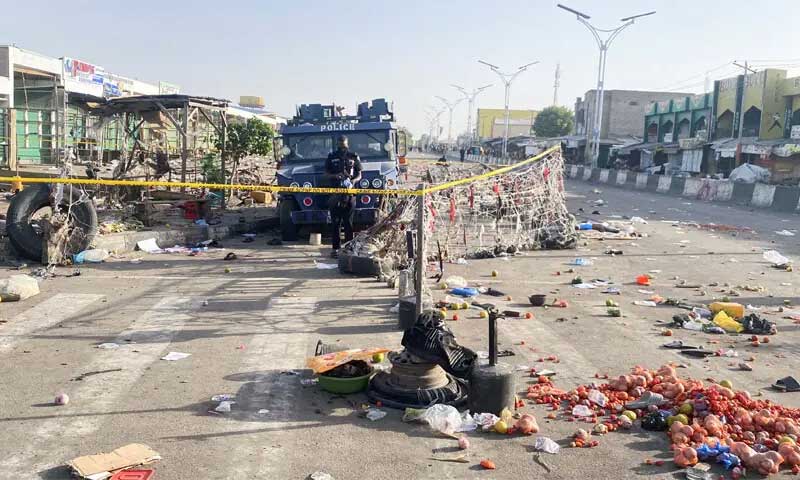
WEB DESK: A series of devastating suicide bombings has torn through the city of Maiduguri, leaving at least 23 people dead and more than 100 others injured. The coordinated attacks, which struck as residents were breaking their Ramadan fasts on Monday evening, represent one of the deadliest strikes on the Borno State capital in recent years.
According to AFP, the blasts targeted high-traffic civilian areas, including a busy market, the entrance to the city’s largest teaching hospital, and a central post office. Witnesses described scenes of absolute carnage as the explosions turned a moment of religious reflection into one of terror.
“People were running for their lives,” said survivor Mala Mohammed, 31, who explained that a second bomber deliberately ran into a crowd of people fleeing the initial blast at the market.
Nigerian President Bola Tinubu, speaking shortly before his departure for a state visit to the United Kingdom, condemned the acts as “barbaric.” He has ordered the nation’s top security chiefs to relocate to Maiduguri immediately to oversee the response.
“These acts of terror are the final desperate and frantic attempts by criminals trying to instil fear,” the President said in a formal statement.
A return to terror for a vulnerable city
While Maiduguri was the birthplace of the Boko Haram insurgency in 2009, the city had enjoyed a period of relative stability since the height of the conflict in 2015. However, this latest wave of violence suggests a worrying shift. Conflict analysts note that while the military has pushed insurgents into the rural hinterlands, the “soft targets” within the city remains perilously exposed.
The morning after the attacks, the grim reality of the violence was visible on the blood-stained streets. Discarded flip-flops, scattered onions, and chillies lay amidst the debris at the market, now cordoned off by police tape. Borno State Governor Babagana Zulum suggested the surge in attacks is likely a retaliatory move by jihadist elements facing “intense military operations” in their strongholds in the nearby Sambisa Forest.
With over 40,000 dead and two million displaced since the insurgency began, the people of Maiduguri are once again grappling with the fragility of their security. Local police have since announced that “normalcy has been restored” and surveillance has been heightened, yet for the families of the 108 wounded currently filling the city’s hospitals, the road to recovery is only just beginning.
You May Also Like