- Web Desk
- 19 Minutes ago
Auto assemblers oppose REEV duty classification, warn of market distortion
-

- Web Desk
- Feb 26, 2026
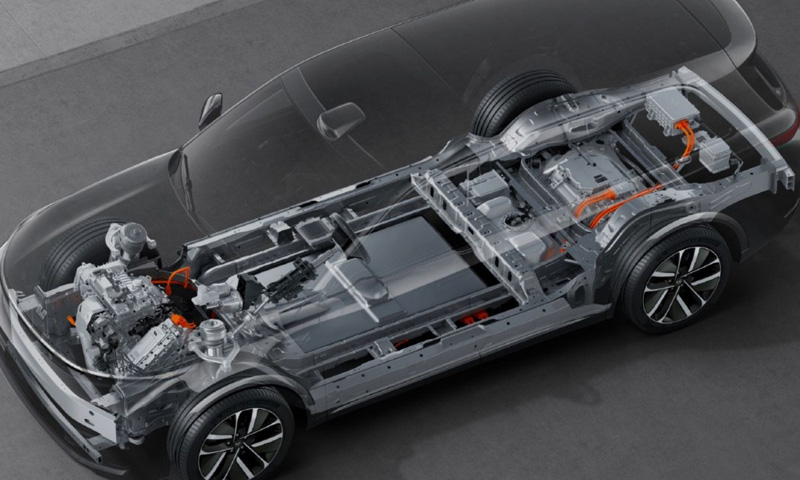
KARACHI: A recent decision by Pakistan’s Customs Classification Committee to place range-extended electric vehicles (REEVs) in the same tariff category as battery electric vehicles (BEVs) has drawn strong objections from local auto assemblers, who warn the move could disrupt the domestic market.
The committee ruled that REEVs, essentially series hybrid vehicles, fall under the classification used for BEVs. The decision was based on the argument that these vehicles are driven solely by an electric motor, while the onboard internal combustion engine (ICE) functions only as a generator, a report by DAWN news said on Thursday.
However, the Pakistan Automotive Manufacturers Association (PAMA) has challenged the ruling, calling it a case of misdeclaration under the Customs Act, 1969. The association has formally taken up the matter with the Federal Board of Revenue (FBR).
PAMA noted that the importer declared the vehicle under a code which carries a 25 per cent customs duty under the Fifth Schedule. In contrast, the exporter in China reportedly classified the same vehicle under a category applicable to hybrid vehicles that attracts a 50 per cent duty.
According to the association, the presence of an ICE, even if used only to generate electricity, disqualifies REEVs from being treated as pure electric vehicles eligible for incentives reserved for zero-emission models.
PAMA further contends that granting such concessions could conflict with the National Electric Vehicle Policy, which limits incentives to vehicles powered entirely by onboard battery charge without any combustion engine.
Industry representatives say the issue extends beyond classification to fiscal benefits. They argue that if there were no disparity in duties between the two HS codes, the classification debate would carry little practical significance. However, given the substantial difference in applicable duties, they warn the ruling could provide REEV importers with an unintended cost advantage.
Customs authorities based their decision primarily on the source of propulsion. Yet assemblers maintain that the inclusion of an ICE generator, which they estimate accounts for at least 15 per cent of the vehicle’s value, makes REEVs fundamentally different from conventional BEVs.
PAMA has urged authorities to suspend and review the ruling to ensure that tax concessions remain confined to genuine zero-emission vehicles and to prevent market distortion.
An industry executive pointed out that REEVs typically include a fuel tank of around 45 litres and, when not externally charged, demonstrate emissions and fuel efficiency comparable to hybrid vehicles. He added that exporting countries and international regulatory frameworks, including those under the United Nations Economic Commission for Europe (UNECE), classify REEVs as hybrids.
The Customs Classification Committee has clarified that its decision pertains solely to tariff classification, noting that the World Customs Organisation is expected to introduce a separate HS code for REEVs by 2028. Any decision to extend BEV-level fiscal incentives, it said, rests with the federal government and cabinet.
You May Also Like