- Web
- 2 Hours ago
Ballistic missile intercepted over Riyadh as debris falls near key refinery
-

- Web Desk
- Mar 19, 2026
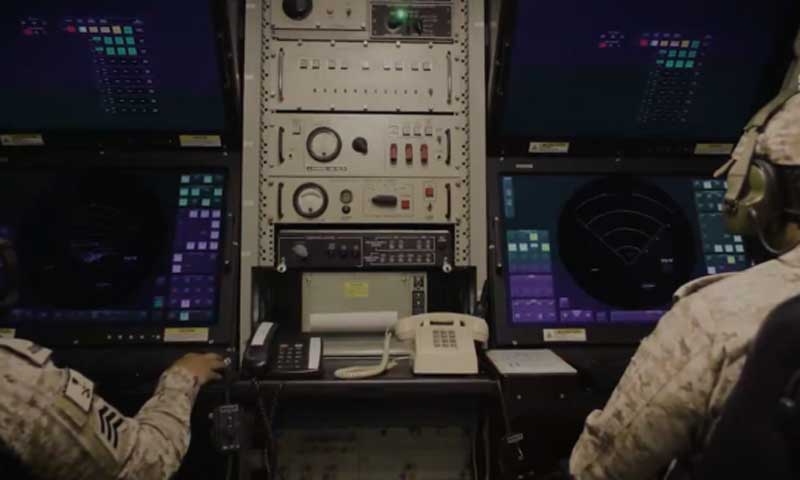
WEB DESK: Saudi Arabian air defences have intercepted and destroyed four ballistic missiles launched towards the capital, with falling shrapnel landing near a major oil refinery. The attack, which occurred on Wednesday evening, marks a significant escalation in regional tensions that have increasingly targeted critical energy infrastructure across the Gulf.
According to a statement from the Saudi Ministry of Defence, the missiles were neutralised over the Riyadh airspace. However, a fragment of one intercepted projectile landed in the vicinity of the Riyadh refinery, a facility with a capacity of approximately 130,000 barrels per day.
The refinery is a vital asset for the Kingdom, primarily serving the domestic fuel requirements of the capital city.
Regional Energy Security Under Threat
The incident follows a series of explicit threats from Tehran to target oil and gas facilities across Saudi Arabia, the United Arab Emirates, and Qatar. This wave of hostilities comes in the wake of recent military strikes on Iranian infrastructure, including the South Pars gas field.
On the same day as the Riyadh interceptions, similar aerial threats were reported in the UAE and Qatar, where a gas hub in Ras Laffan also sustained damage.
Saudi authorities confirmed that while the debris caused “limited material damage” in a residential area and injured four residents, the refinery’s operations remain largely unaffected. Emergency services were deployed to the site immediately following the loud explosions that rocked the city at approximately 7:23 p.m. local time.
Residents had been warned to stay indoors via a national mobile alert system as the “hostile aerial threat” was engaged.
Global energy markets have reacted sharply to the news, with Brent crude prices climbing amid fears of a prolonged “economic war” targeting the world’s most essential energy-producing region.
Saudi Arabia has reaffirmed its right to self-defence while hosting emergency ministerial meetings to discuss ways to de-escalate the burgeoning crisis.
You May Also Like