- Web
- Feb 15, 2026
Balochi embroidery — a lifeline for underprivileged Baloch women
-

- Web Desk
- Oct 26, 2023
By Naeema Zehri and Shahmeer Masood
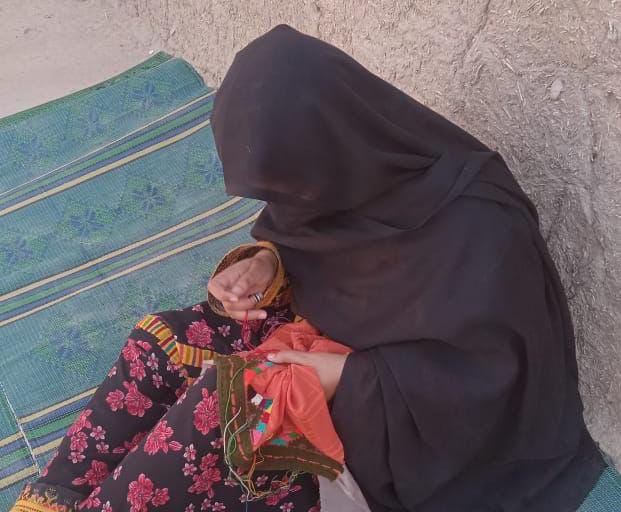
Balochi embroidery holds a special place in Pakistan, particularly in Balochistan and on the international stage. Known as “Dochgiri” in the Balochi language, Balochi embroidery is renowned for its exquisite beauty and allure. It plays a crucial role in the livelihoods of many women in Balochistan, including those facing unemployment and widows responsible for supporting their households.
Balochi embroidery has a deep-rooted history and cultural significance. Referred to as “Doch” in the local Balochi language, each Doch has a unique name and price, reflecting the rich heritage preserved by Baloch women over the centuries. This craft enables Baloch women to earn a monthly income ranging from 10,000 to 30,000 rupees, thanks to their dedicated work in embroidery.


One remarkable aspect of Balochi embroidery is its association with prominent figures, political parties, and regional places in Balochistan, reflected in the names of embroidery patterns. Balochi dresses are available at varying price points, ranging from 40,000 to 220,000 rupees, and enjoy demand not only in Balochistan but also among Baloch communities in the Gulf countries, Iran, and Afghanistan.
Jamila Basheer, a resident of Kech district, emphasized the importance of Balochi handicrafts, highlighting that women skilled in this art can effectively manage their households and improve their family’s financial situation. Many impoverished and widowed women in the community rely on handicrafts to support their children.
Husni, a young woman from Zehri, shared her experience of leaving her studies after completing FSC due to financial constraints. She became skilled in Balochi handicrafts, particularly Doch embroidery, which allowed her to cover her educational and living expenses. Despite not receiving significant remuneration for her work, financial necessity compelled her to continue practicing this art.


Hemina Fazal, a Turbat resident involved in handicrafts, described Balochi embroidery as intricate and time-consuming work. Skilled women can spend six to four months creating a pair of Balochi garments. Some modern designs involve sewing machines, enabling faster production in two to three months. Balochi clothing carries great respect in Baloch society and offers protection against harsh weather.
Husna, another practitioner, pointed out that she struggles with illness and financial difficulties. Despite the meager earnings, she perseveres due to a lack of alternative options and a desire for self-sufficiency. She urged the government to establish centers for skill development, providing women with an opportunity for a respectable livelihood.

Jahan Ara, Deputy Director of the Women Development Department, emphasized the significance of Balochi embroidery in the cultural landscape.
“Historically, Balochi embroidery has served as a source of beauty and identity. The intricate designs and detailed craftsmanship have contributed to its popularity. The industry faces challenges, including health issues among artisans and low compensation. Social media and the internet remain underutilized for selling products, resulting in lower prices for artisans,” she said.
Jahan Ara also addressed the issue of exploitation by some NGOs and organizations, which purchase products at low prices from artisans and resell them at higher rates on international markets. The government aims to regulate this industry, assist skilled women, and empower them for financial independence. Efforts have been made to support these artisans through exhibitions and skill development programs. An incubation center is being established to further assist Baloch women and promote economic empowerment.
In a region marked by poverty, empowering women in the Balochi embroidery industry is seen as a vital step towards economic improvement. It is crucial to provide guidance and support for these artisans, as their financial independence can help them break free from dependence and domestic challenges. The government’s intervention is needed to regulate and preserve this culturally significant and historically rich craft.
You May Also Like