- Aasiya Niaz
- 2 Minutes ago
Balochistan clerics call for dialogue over violence
-

- Web Desk
- Feb 19, 2026
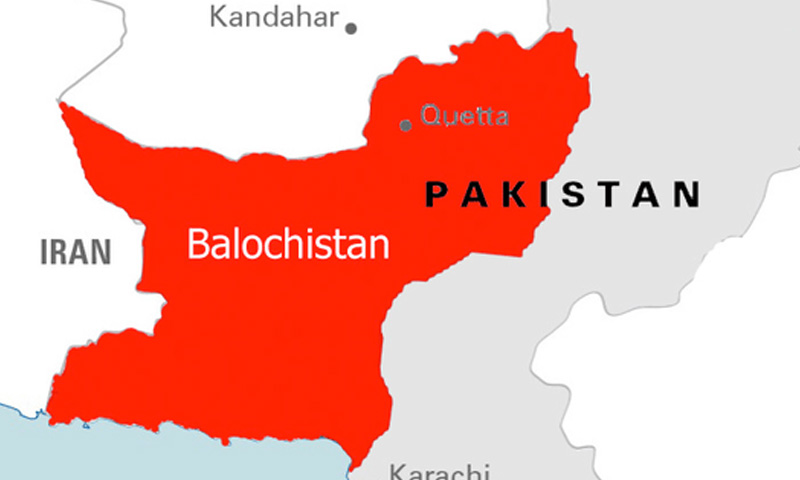
WEB DESK: Prominent religious scholars in Balochistan emphasised on Wednesday that guns and force provide no solutions to the province’s challenges, urging all stakeholders including the government, local communities, and youth to engage in meaningful dialogue to secure lasting peace.
Speaking at a joint press conference following a seminar entitled “Restoring Peace in Balochistan and Confidence-Building: The Institutional Responsibilities of Ulema and Mashaykh”, the clerics including Maulana Dr Ata ur Rehman, Allama Muhammad Juma Asadi, Maulana Anwar-ul-Haq Haqqani, and Qari Abdul Rehman Noorzai stressed that true resolution can only be achieved through justice, mediation, and reconciliation.
The scholars highlighted the province’s critical juncture, warning that one path risks leading to complete separation, while the other offers a constitutional struggle for basic rights. They traced the roots of the ongoing cycle of violence whose effects are still felt today back to the 2006 killing of Nawab Akbar Bugti, the former federal minister, Balochistan chief minister, and governor.
Expressing deep concern over the exploitation of local grievances by hostile elements, the clerics urged that citizens be treated as partners of the state rather than as suspects. To alleviate frustration among the youth, they called for the provision of employment and a genuine stake in major projects such as Gwadar, the China-Pakistan Economic Corridor (CPEC), and mining initiatives.
They further advocated for allocating a significant portion of revenue from provincial natural resources to local development projects.
Blaming foreign interference for exacerbating divisions, hatred, and mistrust intended to undermine unity among Muslim countries and destabilise Pakistan, Afghanistan, and Iran the scholars noted that the Qur’an declares peacemaking between disputing parties a religious obligation.
Proposed measures and clerics’ commitment to peace in Balochistan
The seminar proposed a series of concrete measures to restore stability in Balochistan, including the holding of transparent elections and ensuring that locals receive their rightful share of natural resources. It emphasised the expansion of education, particularly technical and vocational training, alongside the creation of employment opportunities.
Measures also included regulating border trade routes and eliminating drug and trawler mafias, empowering the Human Rights Commission, and establishing a reconciliation council comprising ulema and respected community figures. Additionally, the seminar called for improvements in intelligence systems through community participation and the introduction of special quotas for Balochistan in both public and private sector jobs.
A key demand was for the government to launch transparent investigations into all cases of missing persons. The clerics insisted that anyone found guilty should face trial in open courts, while innocent individuals must be released immediately.
The scholars reaffirmed their commitment, stating that Balochistan’s leading ulema and mashaykh stand ready to shoulder any responsibility entrusted to them in restoring peace and stability across the province.
This initiative comes amid ongoing security concerns in Balochistan, where grievances over resource distribution, development, and rights continue to fuel tensions. The clerics’ appeal underscores a growing push from religious leaders to foster unity and address root causes through non-violent, inclusive means.
You May Also Like