- Web Desk
- 13 Minutes ago
Balochistan Mines Act sparks row over ‘federal overreach’ and provincial rights
-

- Web Desk
- Feb 16, 2026
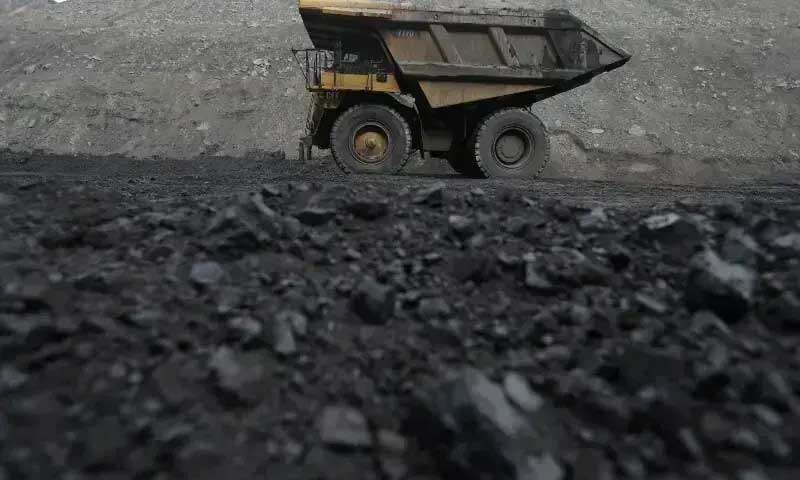
WEB DESK: The Mines and Minerals Act in Balochistan has ignited fierce controversy, with critics alleging that the legislation enables the federal government to assume sweeping control over the province’s mineral wealth a move they describe as tantamount to the “plunder” of assets belonging to present and future generations.
According to Dawn, Former senator Nawabzada Haji Lashkari Raisani delivered a scathing critique during a press conference at the Quetta Press Club, condemning the law passed by the provincial assembly on 12 March last year as a mechanism designed to transfer extensive authority over land and mineral resources to the Centre.
At the centre of the dispute is a provision establishing a seven-member committee, headed by a director general–rank official, empowered to allocate land and mineral concessions. Opponents argue that this framework runs counter to the 18th Constitutional Amendment, which devolved significant powers to the provinces, including control over minerals excluding oil, gas and nuclear resources in a bid to strengthen federalism and provincial autonomy.
Raisani warned that the Act was “designed to plunder resources of future generations of the province”. He further alleged that undisclosed arrangements linked to the vast Reko Diq copper and gold project had already been concluded, with the legislation serving as a legal instrument to curtail Balochistan’s constitutional entitlements. He claimed that certain stakeholders had secured personal political advantages, including assembly seats and other inducements, in exchange for supporting the measure.
Calling for urgent parliamentary review, Raisani urged political parties both within and outside the legislature to revisit and amend what he described as deeply flawed legislation. He criticised what he termed their silence on an issue of constitutional and public importance. “If corrective measures are not undertaken, the matter will be taken to the people’s court,” he declared, vowing to mobilise political leaders, members of the legal fraternity, journalists and civil society.
A constitutional petition challenging the Act is currently before the courts. Although the Balochistan Mines Department has reportedly issued an executive order suspending the law, accounts of continuing tenders and allotments have raised doubts regarding its effective implementation.
The dispute carries broader implications for resource-rich provinces within Pakistan’s federal structure. Balochistan, home to some of the country’s most significant untapped mineral reserves including copper, gold and other strategic resources has long voiced grievances over perceived inequities in resource governance and revenue sharing.
Critics contend that the Act reflects a pattern of federal encroachment that undermines the spirit of devolution enshrined in the 18th Amendment. Raisani maintained that the province’s economic future depends upon retaining meaningful control over its natural wealth, rejecting what he described as “backdoor routes” to political power and pledging to pursue constitutional and democratic avenues of resistance if necessary.
You May Also Like