- Web
- 7 Hours ago
Bangladesh heads to polls in first election since Gen Z-led uprising
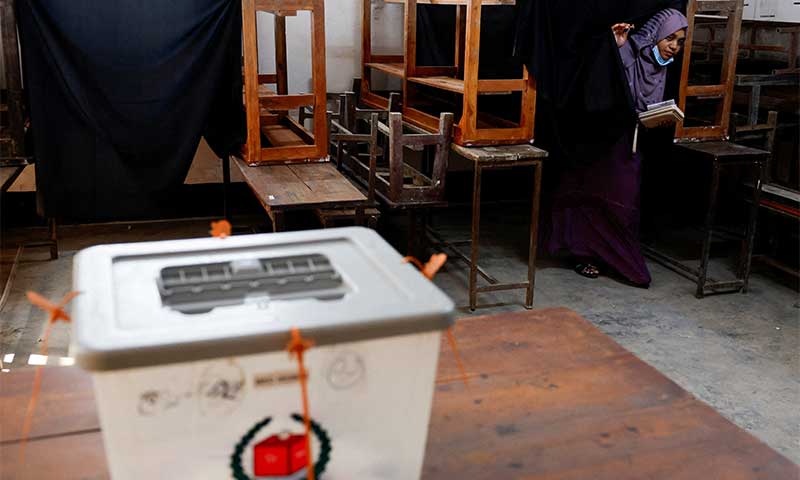
WEB DESK: DHAKA: Bangladeshis queued outside polling stations from early Thursday morning as voting began in a landmark general election seen as a decisive moment for the country’s political future, nearly two years after a Gen Z-driven uprising forced long-time prime minister Sheikh Hasina from power.
Polling opened at 7:30am local time, with long lines reported in parts of the capital Dhaka and other cities. Election officials said counting would begin soon after voting ends at 4:30pm, with early trends expected around midnight and clearer results likely by Friday morning.
The vote marks Bangladesh’s first national election since the 2024 mass protests led largely by under-30s that culminated in Hasina’s ouster after 15 years in office. Analysts say a credible and decisive outcome is essential for restoring stability in the country of 175 million, after months of unrest that disrupted major industries, including the garments sector, the world’s second-largest exporter of apparel.
In Dhaka, voters gathered outside polling booths even before they opened. Mohammed Jobair Hossain, 39, said he had not cast a ballot since 2008. “I am feeling excited because we are voting in a free manner after 17 years,” he said while waiting in line. “Our votes will matter and have meaning.”
The contest is primarily between two coalitions led by former allies, the Bangladesh Nationalist Party (BNP) and the Islamist Jamaat-e-Islami, with opinion polls suggesting an edge for the BNP. The Awami League, once led by Hasina, has been banned, and the former premier remains in self-imposed exile in India, Bangladesh’s long-time ally. Her absence has reshaped the political landscape and could recalibrate regional dynamics as Dhaka’s ties with New Delhi remain strained.
More than 2,000 candidates, including a large number of independents, are contesting 300 seats in the Jatiya Sangsad, or national parliament. At least 50 parties are participating, a record, though voting in one constituency has been postponed following the death of a candidate.
“This election is not just another routine vote,” said Nobel laureate Muhammad Yunus, who heads the interim government installed after Hasina’s removal. “The public awakening we witnessed against long-standing anger, inequality, deprivation and injustice finds its constitutional expression in this election.”
Security has been tightened nationwide, with more than 100,000 members of the armed forces assisting nearly 200,000 police personnel to maintain order. While previous elections were marred by boycotts and allegations of intimidation, the campaign period this time remained largely peaceful, with only isolated incidents reported.
Alongside the parliamentary vote, Bangladeshis are also participating in a referendum on wide-ranging constitutional reforms. Proposed changes include the creation of a neutral caretaker government during election periods, restructuring parliament into a bicameral system, increasing women’s representation, strengthening judicial independence and imposing a two-term limit on the prime minister.
Nearly 128 million people are registered to vote, 49 percent of them women. However, only 83 female candidates are in the race. Surveys suggest corruption and inflation are among the top concerns for voters.
The two prime ministerial hopefuls are BNP leader Tarique Rahman and Jamaat chief Shafiqur Rahman, who are not related.
Despite the high stakes, some voters expressed mixed feelings. Rickshaw puller Chan Mia said he could not afford to lose a day’s wages or travel back to his village to vote. Others, such as Mohammad Sabuj, a gatekeeper in Dhaka, said they felt disillusioned by the absence of Hasina’s party from the ballot.
Yet many appeared determined to take part. “During Hasina’s time, we couldn’t cast our votes,” said Shakil Ahmed, a driver. “It’s my right to vote. This time, I won’t miss it.”
You May Also Like