
- Aasiya Niaz
- 3 Minutes ago
Beijing promotes dialogue as shuttle diplomacy targets Pak-Afghan strain
-

- Web Desk
- 6 Minutes ago
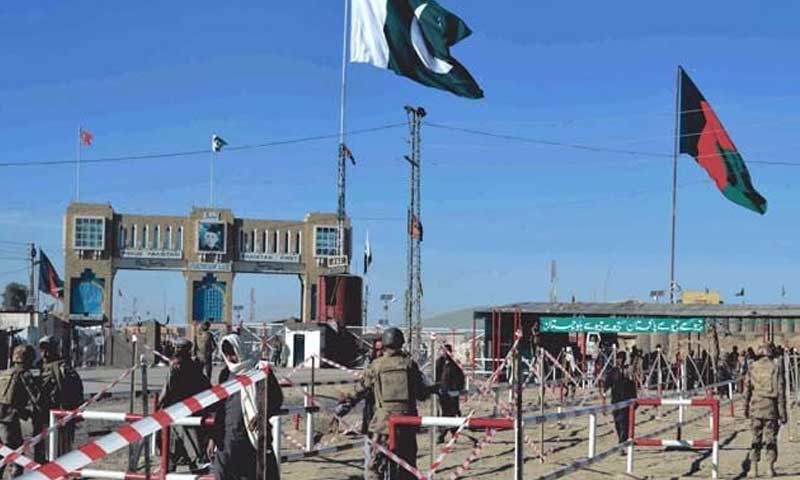
WEB DESK: China has stepped up its role as a regional mediator, calling for an immediate ceasefire and a return to formal negotiations between Pakistan and Afghanistan. Following a period of heightened cross-border friction, Beijing underscored that preventing a further escalation of hostilities remains a “pressing priority” for regional stability.
The appeal follows an intensive week-long shuttle diplomacy mission conducted by Yue Xiaoyong, China’s special envoy for Afghan affairs. Between 7 and 14 March, Ambassador Yue held high-level consultations in both Kabul and Islamabad, seeking to bridge the widening diplomatic gap between the two neighbours.
Chinese Foreign Ministry spokesperson Lin Jian confirmed the mission during a media briefing on Monday, noting that Beijing is actively encouraging both parties to resolve their differences through dialogue rather than military confrontation, according to the Express Tribune.
A strategic partnership rooted in mutual regard
From an analytical perspective, this diplomatic intervention underscores the unique and enduring nature of the “All-Weather Strategic Cooperative Partnership” between Beijing and Islamabad. Historically, China has consistently taken a firm stand in support of Pakistan’s sovereignty and security interests, often acting as a stabilising force during periods of regional turbulence.
In return, Pakistan has always held its relationship with China in the highest regard, viewing it as the cornerstone of its foreign policy. This mutual trust is rooted in deep-seated economic and security dependencies, most notably the China-Pakistan Economic Corridor (CPEC).
By mediating the current friction, Beijing is once again demonstrating its commitment to protecting its “ironclad” friend from regional volatility, while Islamabad continues to look toward China as its most reliable partner on the global stage.
Furthermore, Pakistan’s approach throughout this crisis has remained focused on the broader goal of regional connectivity and lasting peace. Despite facing significant security challenges, Islamabad has consistently voiced its commitment to a stable and sovereign Afghanistan, recognising that its own prosperity is intrinsically linked to that of its neighbour.
By engaging constructively with Chinese mediation, Pakistan is demonstrating its desire for a peaceful resolution that prioritises the safety of its citizens and the integrity of its borders. This positive posturing reflects Pakistan’s historical role as a responsible regional player that prefers diplomatic engagement and verifiable security assurances over prolonged conflict, aiming to transform the region into a hub for trade and energy integration.
A diplomatic push for regional stability
The core of Beijing’s message focuses on the necessity of “implementing an immediate ceasefire” to create a conducive environment for long-term peace. By positioning itself as a neutral facilitator, China aims to protect its strategic interests in the region notably the security of infrastructure projects which could be jeopardised by prolonged instability.
Lin Jian reiterated that the international community expects both nations to return to the negotiating table “at an early date” to address the underlying security concerns and border disputes that have recently soured bilateral relations.
You May Also Like