- Web Desk
- 9 Minutes ago
Birmingham gets streets cleaned up with lessons from Pakistan’s Punjab
-

- Web Desk
- Dec 13, 2025
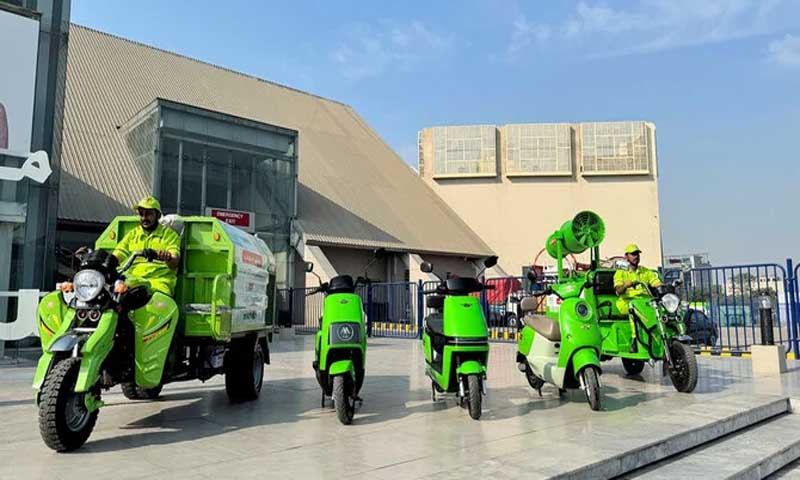
WEB DESK: In an unexpected cross-continental inspiration collaboration, the Punjab Waste Authority (PWA) in Pakistan has helped Birmingham tackle its persistent waste disposal challenges through digital guidance and knowledge-sharing.
Birmingham has long struggled with overflowing garbage bins and frequent sanitation worker strikes, which often leave streets littered and residents frustrated. In response, local volunteers turned to PWA experts, whose experience in transforming Pakistan’s neighborhoods into cleaner, more organized communities offered a practical blueprint. Earlier in December, Forbes also hailed the ‘Suthra Punjab’ as blueprint for global waste management
The guidance was delivered via online sessions, where PWA shared strategies for effective waste management, community engagement, and raising public awareness about cleanliness. The approach emphasised education, turning waste into reusable resources, and fostering a sense of civic responsibility principles that had reshaped streets across Punjab.
Local volunteer leader Naveed admitted that one of Birmingham’s key challenges was public behavior, noting that many residents treated garbage disposal as a right rather than a responsibility. “Talking to the Punjab team made me realise that instead of feeling proud of our environment, we had started behaving like a developing country in the West,” he said.
PWA CEO Babar Din highlighted the simplicity yet effectiveness of the model, which centers on education, community involvement, and converting waste into value. He said, “We are proud that our work is recognised internationally, and sharing it with Birmingham allows them to tackle persistent waste challenges with proven methods.”
Professor Faraz Khan, a climate expert at St Mary’s University, supported the initiative, emphasizing that solutions to environmental problems can come from any part of the world. He noted that Islam promotes cleanliness as a form of worship, and the volunteers’ efforts in Birmingham reflect this principle.
The collaboration not only addressed immediate sanitation issues but also aimed to foster long-term community engagement. Volunteers in Birmingham see it as a bridge-building effort, learning from Punjab’s experience while creating a civic culture that residents can take pride in.
Naveed also stressed the importance of active local leadership, saying that responsible councilors who genuinely care about their neighborhoods are critical to sustaining such efforts. The project aims to combine the lessons from Punjab with local volunteer action, encouraging citizens to take ownership of their streets and neighbourhoods.
By sharing its practical, education-focused waste management model, Punjab has shown that impactful solutions can cross borders, proving that even cities in developed countries like Birmingham can benefit from the expertise of institutions in other parts of the world. This digital partnership demonstrates that collaboration, awareness, and civic responsibility can turn frustration into hope and cleaner streets.
You May Also Like