- Aasiya Niaz
- 20 Minutes ago
BTS say asking for a break felt like a ‘crime’ as new doc reveals mental toll of fame
-

- Aasiya Niaz
- 1 Minute ago
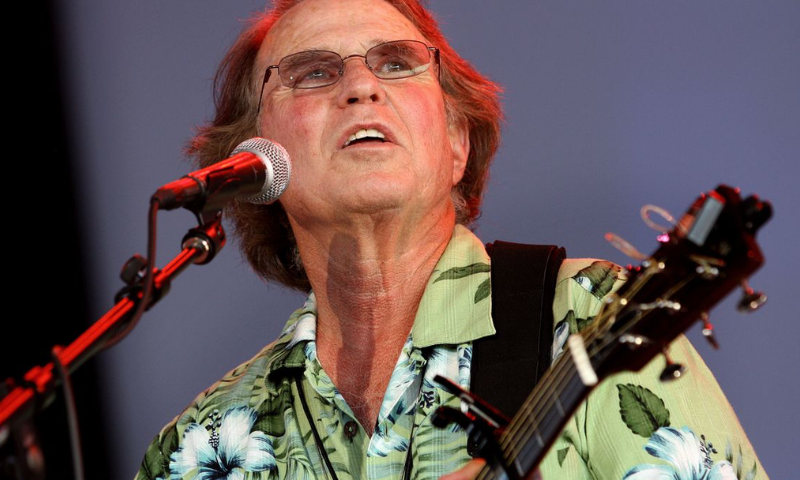
BTS are opening up about the mental toll behind their global success, and what they reveal is far from the polished image fans usually see.
In their new Netflix documentary BTS: The Return, the group speak candidly about the pressure surrounding their comeback album Arirang, admitting that even asking for rest once came with guilt.
For leader RM, that pressure became overwhelming.
“I lost my sense of who we are as a team,” he said, reflecting on the group’s intense working schedule. “If I express that we need a break, it almost feels like I’m committing a crime.”
Inside the pressure behind BTS’ comeback
The documentary follows the group as they reunite in Los Angeles in 2025 after completing South Korea’s mandatory military service.
But instead of easing back into music, the members describe a fast-paced return driven by expectations to deliver.
Jung Kook said the experience began to feel less creative and more mechanical.
“I just want to have fun making music,” he explained. “But it feels like we’re operating like a factory.”
That pressure reflects the wider K-pop system, where artists are expected to maintain constant output through demanding “comeback” cycles packed with recording, performances and promotion.
Even for one of the biggest groups in the world, the weight of that system has not disappeared.
Burnout, guilt and the weight of staying on top
Over the years, conversations around mental health in K-pop have grown more urgent, with the industry often criticised for its intense demands.
BTS have long spoken about self-love and resilience, but in BTS: The Return, they reveal how those pressures still affect them behind the scenes.
Jin acknowledged that earlier in their career, the creative process often came with “a lot of suffering,” driven by fear of failure.
Now, he says, their mindset has shifted.
“If a song doesn’t work out, it doesn’t work out, and we just move on,” he said, adding that the desperation that once defined their work has eased.
Still, the burden of maintaining their position remains.
Suga admitted he sometimes questions how long they can keep going at this level.
“I’ll probably have to stop if my body can’t keep up,” he said.
‘The crown is heavy’
More than a decade after their debut, BTS remain one of the most influential acts in global music, with record-breaking achievements and a vast international fanbase.
But that success comes at a cost.
“I think that’s the essence of BTS,” RM said. “We get to wear this big, incredible crown. At times, the crown is heavy… almost unbearably.”
For J-Hope, the challenge now is figuring out how to evolve without losing what defines the group.
“Normally, the life of a K-pop artist is really short,” he said. “But ours has extended. The pressure is deciding what to keep and what to change.”
As BTS step into their next chapter, BTS: The Return offers a rare and unfiltered look at the mental toll of staying at the top, revealing the reality behind one of the world’s biggest success stories.
You May Also Like