
- Reuters
- September 16, 2026
Budget-making process remains with finance ministry, govt clarifies
-

- Zafar Ali
- May 14, 2026
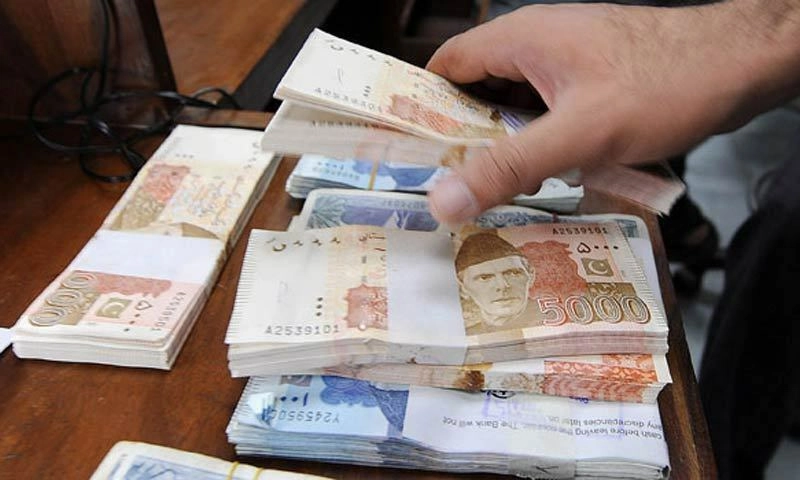
ISLAMABAD: The Ministry of Finance on Thursday rejected a media report suggesting that the federal budget-making process for fiscal year 2026–27 had been handed over to Deputy Prime Minister Ishaq Dar, saying the process remained under the leadership of Finance Minister Muhammad Aurangzeb and the Finance Division.
In a clarification statement, the ministry denied the report that responsibility for budget preparation had been shifted away from the Finance Division after initial work was allegedly found below par.
“The process of budget-making has not been transferred from the Ministry of Finance or the Finance Division,” the ministry said.
It added that preparation of the federal budget was continuing under the leadership of the finance minister, who was also a member of a high-level committee recently formed by Prime Minister Shehbaz Sharif.
The statement came after a media report said that the government had tasked Dar with overseeing the budget formulation process through a committee established to review and refine tax proposals prepared by the Tax Policy Office.
The Ministry of Finance said that the report created an impression of divisions within the government, stressing that the federal budget was a collective constitutional process carried out under cabinet oversight.
“The Ministry of Finance continues to perform its central and constitutional role,” the statement added.
Separately, Pakistan and the International Monetary Fund (IMF) have begun discussions on the upcoming budget as the government seeks to finalise fiscal measures and reforms under its IMF programme.
In its first meeting, the committee directed the Federal Board of Revenue (FBR) to introduce modern digital systems, including artificial intelligence-based tools, to identify tax evasion, under-reporting and fake tax returns.
The government is targeting around Rs15.3 trillion in tax revenue for the next fiscal year, officials said.
Sources said that the authorities are considering introducing new taxes worth around Rs215 billion, while also offering relief in selected sectors. Under its agreement with the IMF, Pakistan is required to implement fiscal measures worth about Rs430 billion, including Rs215 billion in new taxes and Rs215 billion through improved enforcement and compliance
You May Also Like

- Reuters
- September 15, 2026
Trump administration plans $2.8bn munitions sale to Israel, sources say
- WEB DESK
- September 15, 2026
Petrol price rises by Rs4.10, diesel by Rs6.41 per litre

- Reuters
- September 15, 2026
