- Web Desk
- 43 Minutes ago
Cabinet approves four-year Hajj policy for 2027-2030
-

- Web Desk
- Now
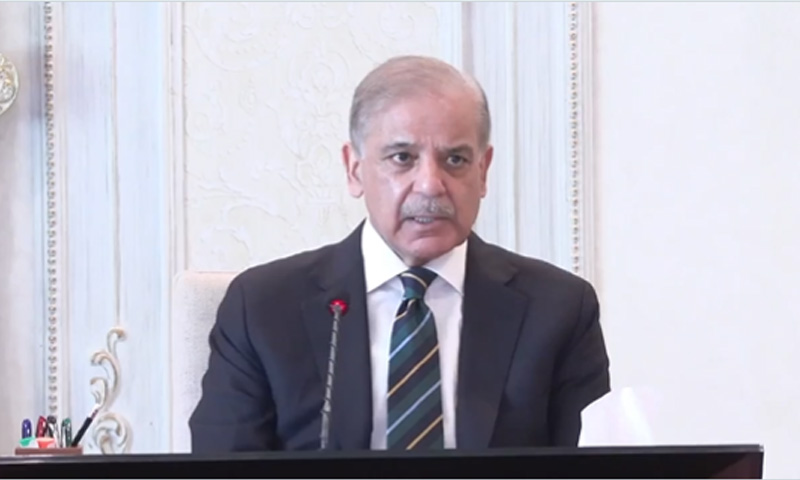
ISLAMABAD: The federal cabinet on Tuesday approved Pakistan’s first four-year Hajj Policy and Plan for 2027-2030, aimed at improving pilgrimage management through digitalisation, enhanced services and long-term planning for intending pilgrims.
The approval came during a cabinet meeting chaired by Prime Minister Shehbaz Sharif, who also briefed ministers on his recent visits to Iran and Turkey and discussed efforts to strengthen bilateral ties and attract foreign investment.
According to an official statement, the cabinet praised Federal Minister for Religious Affairs Sardar Muhammad Yousaf and his team for what it described as the successful management of this year’s Hajj arrangements.
The newly approved policy marks a shift from the previous practice of annual Hajj policies by introducing a four-year framework covering the period from 2027 to 2030.
The government said the policy would improve Hajj operations and ensure better facilities and services for Pakistani pilgrims.
Under the new framework, intending pilgrims will be able to register in advance for Hajj in any year up to 2030 without interruption, allowing for improved planning by both applicants and the authorities.
The policy also envisages the complete digitalisation of the Hajj management system, including registration, operational procedures and financial transactions, with all payments to be made through digital platforms.
It retains separate quotas for the government and private Hajj schemes while introducing both long and short Hajj packages to provide greater flexibility for pilgrims.
The cabinet also directed that Hajj assistants be appointed through a transparent process based strictly on merit.
PM briefs cabinet on Iran, Turkey visits
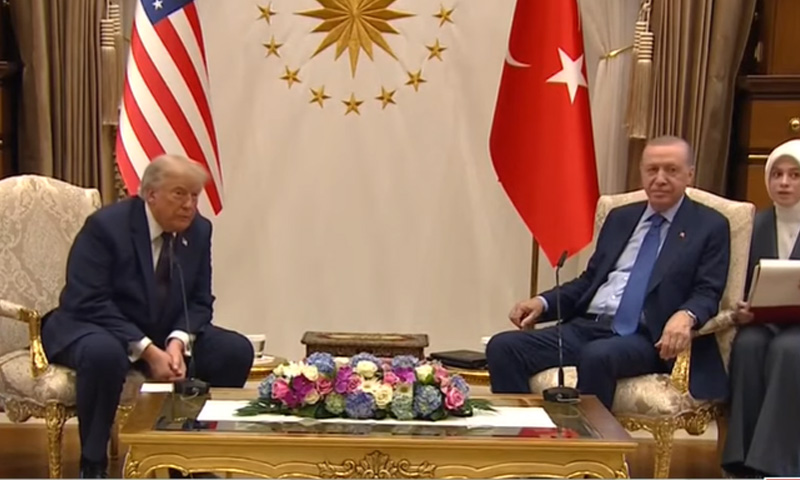
During the meeting, Sharif briefed the cabinet on his recent visit to Turkey, expressing confidence that Pakistan-Turkey ties and the longstanding brotherly relationship between the two countries would continue to deepen across multiple sectors.
The prime minister informed ministers that he had travelled to Tehran last Friday to attend the funeral ceremony of Iran’s late Supreme Leader Ayatollah Ali Khamenei, where he conveyed Pakistan’s condolences and solidarity with the Iranian government and people.
He later travelled to Turkey along with members of the federal cabinet to attend a business conference attended by a large number of Turkish investors.
According to the statement, Pakistani officials delivered presentations on opportunities in the power sector, the privatisation of electricity distribution companies (DISCOs), reducing transmission line losses, mining and minerals, and the energy sector.
The prime minister said Turkish investors expressed strong interest in investing in Pakistan.
Sharif added that he also met leading Turkish business groups and invited them to invest in Pakistan’s energy, mining, minerals and infrastructure sectors, as well as other priority areas of the economy.
He said both countries had worked extensively to strengthen economic cooperation and investment, expressing confidence that these efforts would yield positive results while further reinforcing bilateral ties.
The prime minister also informed the cabinet that Turkish President Recep Tayyip Erdogan had invited him for a meeting, describing their discussions as constructive and expressing optimism that relations between the two countries would grow stronger.
Tribute to slain PAF officer
Earlier in the meeting, the prime minister expressed deep sorrow over the martyrdom of Pakistan Air Force Group Captain Asim Tariq, who was martyred while attempting to protect a woman in Islamabad.
Sharif offered prayers for the deceased and expressed condolences to his family. He said the suspect had been arrested and vowed that the accused would be brought to justice and punished in accordance with the law.
The cabinet also paid tribute to security forces for killing 15 militants during an operation in Balochistan.
Special prayers were offered for the martyrs at the conclusion of the meeting.
Health outsourcing policy approved
Separately, the cabinet approved a policy for outsourcing services at isolation hospitals and regional blood centres.
The Ministry of National Health Services was directed to ensure that the outsourcing process is carried out in accordance with the prescribed rules and regulations, the statement added.
You May Also Like