
- Web
- 2 Hours ago
Car tax changes in 2026 spark fears for older vehicles, low-income drivers
-

- Web Desk
- Feb 02, 2026
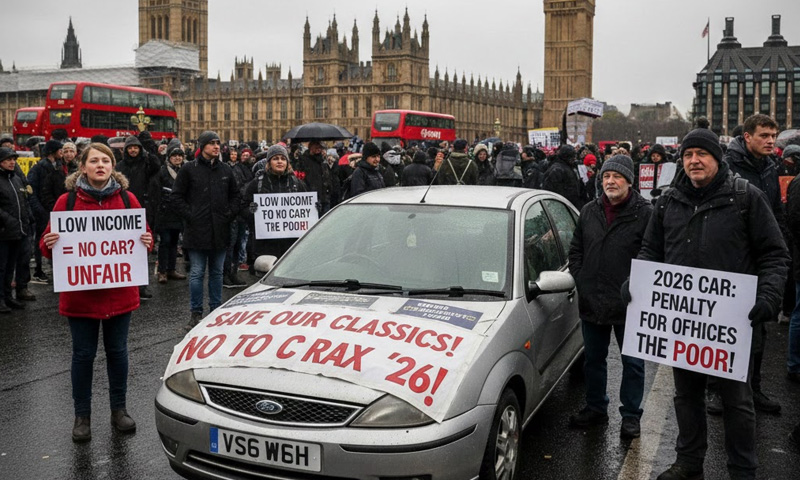
LONDON: As Britain enters 2026, renewed debate over vehicle taxation is putting the spotlight back on a long-standing policy that critics say is quietly forcing thousands of usable cars off the road.
The current car tax system, based largely on emissions thresholds introduced nearly two decades ago, is once again under scrutiny as motorists struggle with rising living costs and cling to older vehicles for longer. While the government’s focus remains on reducing carbon output, industry experts warn that the structure of Vehicle Excise Duty (VED) is increasingly out of step with today’s economic and social realities.
According to motoring groups, the average age of cars on UK roads is now close to ten years, with many drivers deliberately avoiding newer models due to high prices, complex technology and concerns over long-term reliability. Yet for owners of vehicles registered after March 2006, especially those with higher emissions, annual tax bills can reach well beyond £700 — in some cases exceeding the market value of the car itself.
This has created what dealers describe as a “cliff edge” in the used car market. Vehicles that are mechanically sound, safe and practical are being abandoned not because they are failing, but because the cost of keeping them legally taxed no longer makes sense. Family estates, mid-sized saloons and compact four-wheel-drives – once staples of British roads – are among the hardest hit.
Independent traders say the problem is worsening in 2026 as inflation continues to squeeze household budgets. Buyers are increasingly walking away once they discover the tax liability, leaving sellers with cars that are difficult to shift and often destined for scrap yards or export markets. In some cases, vehicles registered just weeks apart command vastly different prices purely due to their tax classification.
Environmental campaigners argue that the policy no longer delivers the green benefits it once promised. Scrapping older cars early, they say, ignores the environmental cost of manufacturing replacements and pushes consumers toward short-term decisions rather than sustainable ownership. Meanwhile, rural drivers and tradespeople, who often rely on larger or all-wheel-drive vehicles, say they are disproportionately affected.
Calls are now growing for a review of VED rules as part of broader 2026 tax discussions, with proposals ranging from age-based caps to revised emissions bands that reflect real-world usage rather than outdated laboratory figures. Some industry figures are also urging incentives to keep well-maintained older cars on the road, rather than penalising ownership outright.
For now, motorists face a stark choice: absorb the rising cost, downgrade to smaller vehicles that may not meet their needs, or give up cars that still have years of life left in them. As pressure mounts, the question facing policymakers is whether a tax system designed for the mid-2000s can still fairly serve drivers in 2026.
You May Also Like