- WEB DESK
- October 25, 2026
Caught between exams and democracy: G-B students miss out on voting
-

- Zoha Hussain
- June 7, 2026
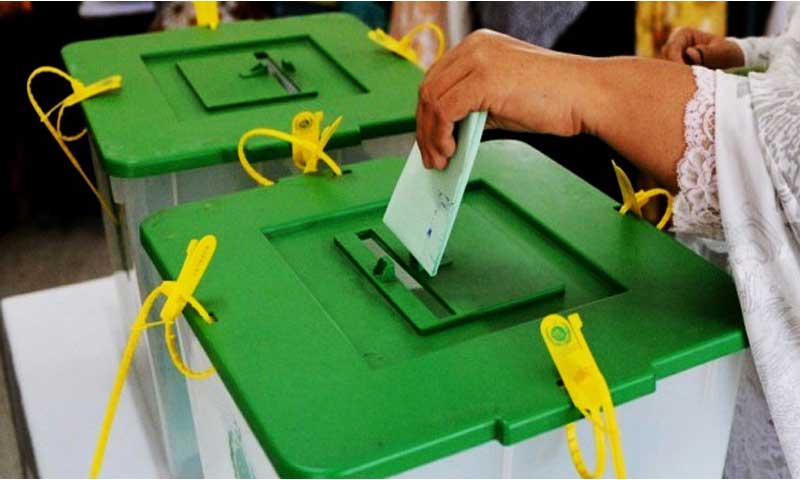
As voters in Gilgit-Baltistan cast ballots on Sunday (today) to elect a new regional assembly, a significant portion of the territory’s youth has been left out of the democratic process, not by choice, but by circumstances. Thousands of students from the region, studying in cities like Islamabad, Karachi, Lahore, and Peshawar, have been shut out of the democratic process that directly shapes their futures back home.
With few institutions offering advanced degrees, G-B lacks the higher education infrastructure to keep its students there, and those that exist struggling to match standards elsewhere in the country so young people are left with no option but to migrate.
The Cost of Coming Home
The barriers to returning on election day are steep. A one-way flight costs between Rs25,000 and Rs35,000, a sum beyond the reach of most students. Road travel takes 12 to 16 hours each way, making a brief trip home wholly impractical, especially during exam season.
“I am missing this year’s elections because I had to move to Islamabad to pursue higher education,” said Mishal Baig, a student at the National University of Modern Languages (NUML). “Because of the shortage of quality educational institutions in Gilgit-Baltistan, students have to move far away from their families and often endure difficult living conditions in hostels. If I were to support a candidate, I would choose someone whose agenda prioritises improving higher education.”
Baig was equally direct about the region’s academic shortcomings. “There are very few institutions offering advanced studies, and even those often struggle to provide education that matches the standards available in other parts of the country.”
For others, the absence carries a more personal weight. “It was the first voting experience of my life, and I was very excited about it, but because of my exams, I can’t visit Skardu to cast my vote,” said Narjis Hussain, a student at the International Islamic University. “I believe voting isn’t just my right but also my responsibility, and missing out on such a significant democratic process is something I genuinely regret.”
Hussain sees the two problems as inseparable. “If the educational infrastructure and academic opportunities were better in GB, students would not feel the need to leave their hometowns to pursue higher education, and we wouldn’t have to miss such important events.”
Another student from Skardu, Hashim* currently studying at Quaid-e-Azam University echoed the same sentiment. “It would have been my first voting experience, but because I am studying in Islamabad right now, I was unfortunately unable to participate in this process. Voting is a basic right of every citizen, and it is unfortunate that many students from Gilgit-Baltistan cannot exercise that right because of circumstances beyond their control.”
Three Elections, Same Promises
Their frustration reflects a recurring political pattern. Despite three election cycles, won by the PPP in 2009, PML-N in 2015 and PTI in 2020, little progress has been made to address the educational gaps that continue to push students out of Gilgit-Baltistan. As Baig noted, “Gilgit-Baltistan has witnessed three elections in yesteryears, yet parties such as PTI, PML-N and PPP have failed to deliver on many of the promises they made to the people.”
Most students also believe that solutions are neither complex nor out of reach. A digitised remote voting system could enable citizens studying away from home to cast their ballots without the burden of travel. More importantly, long-term investment in the region’s education sector would help reduce outward migration, ensuring future elections are not shaped in the absence of those most affected by their outcomes.
Some names have been changed to maintain anonymity
You May Also Like