- Aasiya Niaz
- 9 Minutes ago
Ceasefire or pause? global voices weigh in on Iran-Us truce
-

- Web Desk
- 2 Minutes ago
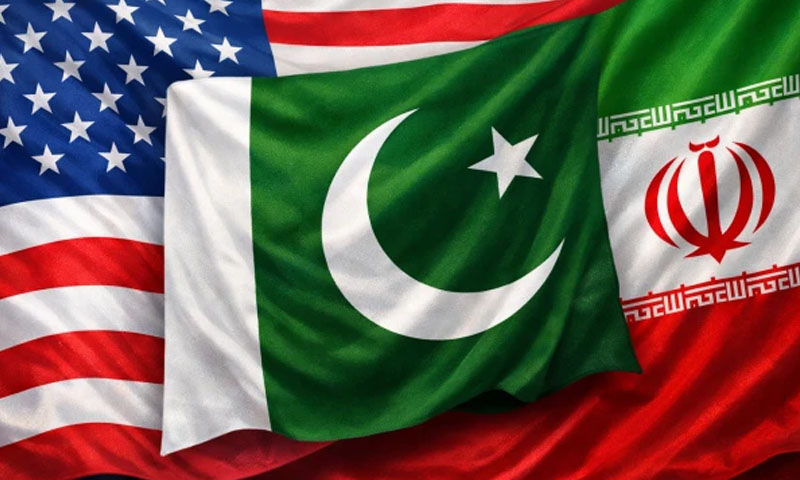
A fragile pause in hostilities between the United States and Iran has triggered a wave of reactions from political commentators and economists across the world, as questions mount over whether the breakthrough signals a genuine path to peace or merely a temporary reset in a volatile conflict.
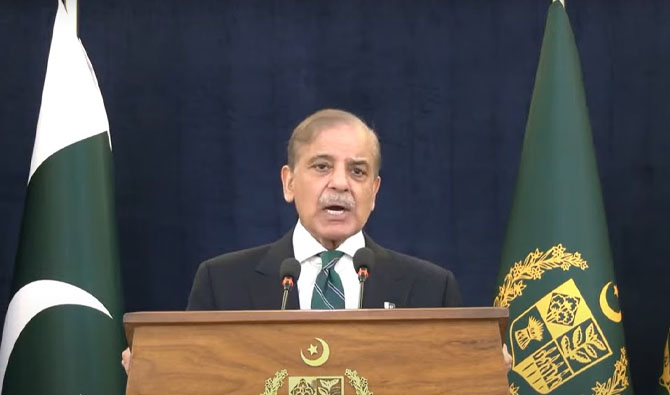
The two-week ceasefire, announced by Prime Minister Shehbaz Sharif after intensive diplomatic engagement, follows a dramatic shift by US President Donald Trump, who agreed to suspend strikes on Iran after last-minute outreach from Islamabad. The development also involved consultations with Pakistan’s military leadership, including Field Marshal Asim Munir, underscoring the country’s central role in de-escalation efforts.
While the announcement has been welcomed as a rare diplomatic opening after weeks of escalating rhetoric and military posturing, it remains clouded by uncertainty. Washington has yet to formally confirm a comprehensive agreement, and key details, including enforcement mechanisms and the scope of the ceasefire, remain unclear.
Trump’s subsequent remarks, projecting economic opportunity and even a potential “Golden Age” for the Middle East, have further fuelled debate among analysts. Some view the language as a sign of confidence in behind-the-scenes negotiations, while others caution that it may overstate the durability of the truce.
Economists, meanwhile, are closely watching developments around the Strait of Hormuz, a critical global energy artery, with any sustained stability likely to ease pressure on oil markets and global supply chains.
Against this backdrop, reactions from global and local observers reflect a mix of cautious optimism, strategic scepticism and economic recalibration.
Michael Kugelman
Ben Rhodes
Umair Javed
Rana Ayyub
Sushant Singh
Atif Mian
Hamid Mir
Iftikhar Firdous
You May Also Like