- Aasiya Niaz
- 9 Minutes ago
Celebrating Women’s Day: she moves mountains, she moves Pakistan
-

- Syeda Masooma
- Mar 08, 2026
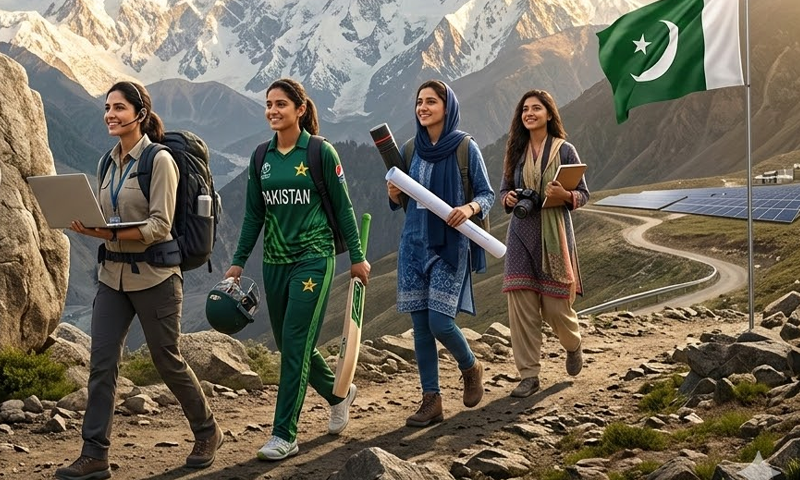
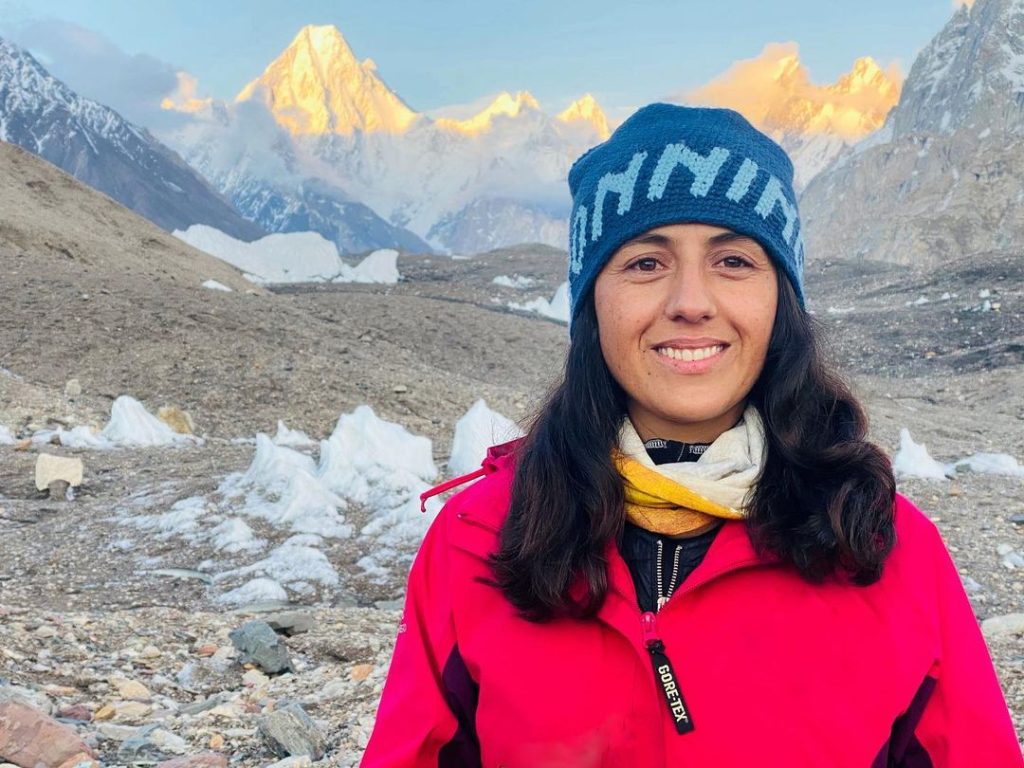
In the shadow of the Karakoram, Samina Baig once looked up at K2 and saw not an obstacle, but an invitation. When she reached the summit of Everest in 2013, she became the first Pakistani woman to do so – and in doing so, planted a flag not just on the world’s highest peak, but in the imagination of millions of girls back home who had never been told the sky was theirs to touch.
BEYOND THE SUMMIT
Pakistan’s women have always been climbing. In the classrooms of Gilgit-Baltistan, girls now outnumber boys in certain primary schools – a quiet revolution measured not in headlines, but in attendance registers. In Lahore’s startup ecosystem, women-led tech ventures raised record funding last year. In the fishing villages of Balochistan, cooperatives run by women have transformed local economies with nothing more than collective will and a mobile phone.
These stories don’t always make the front page. But they are Pakistan’s most enduring narrative: the persistence of women who build, teach, heal, innovate, and lead – often without applause, always with purpose.
THE BUILDERS
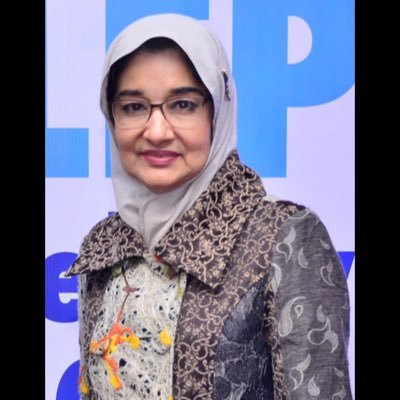
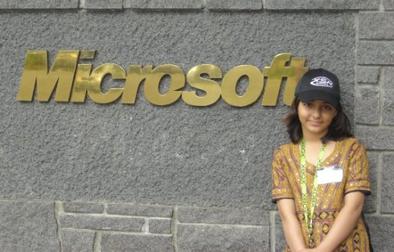
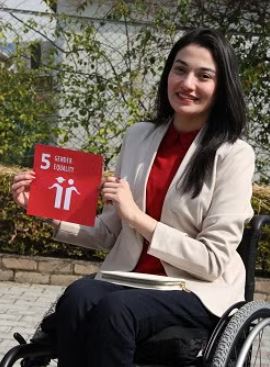
Dr Fowzia Siddiqui, a neuroscientist trained at MIT. Arfa Karim, who became the world’s youngest Microsoft Certified Professional at age nine. Muniba Mazari, who turned paralysis into a canvas and a career. Pakistan’s women have consistently turned constraint into creativity, finding in limitation not a ceiling but a launching pad.
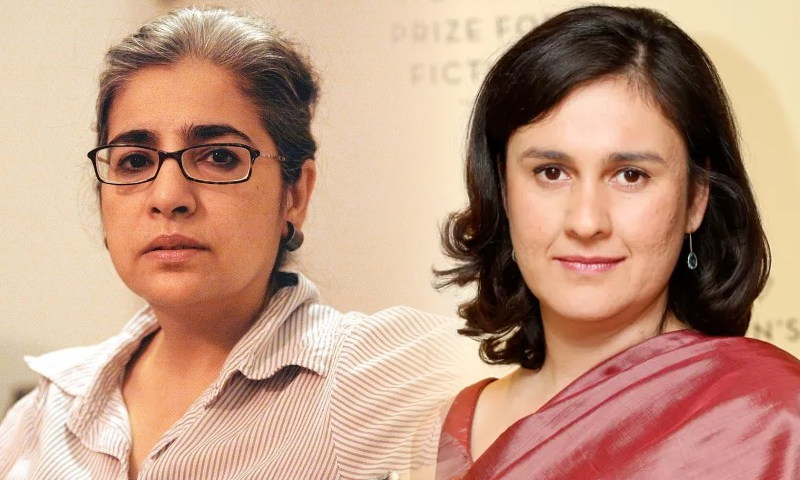
Today, that spirit lives on in Karachi’s medical wards, where female doctors make up nearly 70 per cent of MBBS graduates. It lives in the theatre, in literature, in cinema – where directors like Sabiha Sumar and writers like Kamila Shamsie have taken Pakistani stories to the world stage and made them impossible to ignore.
THE EVERYDAY HEROINES
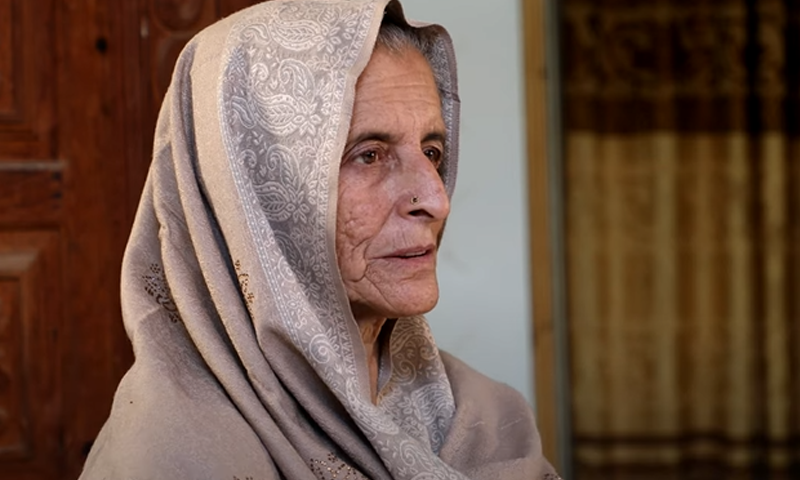
But heroism here is not always dramatic. It is the schoolteacher in Thar who cycles four kilometres each morning so her students can learn to read. It is the matriarch in a Peshawar haveli who holds three generations together with quiet authority. It is the young coder in Islamabad debugging software at midnight, balancing ambition with everything else life asks of her.
On this Women’s Day, Pakistan doesn’t just celebrate icons. It celebrates the ordinary extraordinary – the women whose names may never trend, but whose contributions are woven into the very fabric of the nation.
ARCHITECTING A DIGITAL FUTURE
In Rawalpindi’s incubator halls and Islamabad’s tech corridors, a new generation of Pakistani women is writing code, building robots, and designing the algorithms that will shape tomorrow. Programmes like the Partnership in Equality initiative have sent hundreds of graduates into careers in Artificial Intelligence and Robotics – fields that barely existed in the national conversation a decade ago. Pioneers like Dr Saima Shabbir aren’t filling seats at the table. They’re building the table itself.
That momentum lives equally in the startup world. In March 2025, thirteen women-led ventures graduated from digital incubators, among them Ecobricks – reimagining sustainable construction from the ground up. These entrepreneurs prove a simple truth: economic independence isn’t a byproduct of empowerment. It is empowerment.
RESILIENCE AT THE ROOTS
The most consequential revolutions happen quietly. In villages far from any headline, microfinancing is rewriting destinies. Azra Khatun, a widow, took a small loan and built a thriving general store – joining millions using financial literacy not just to survive, but to shape entire households. Data from early 2026 shows that when Pakistani women gain access to credit, nearly 90 per cent see household income rise, with ripple effects reaching children’s health and education. The investment always compounds.
ON THE FIELD AND ON THE CANVAS
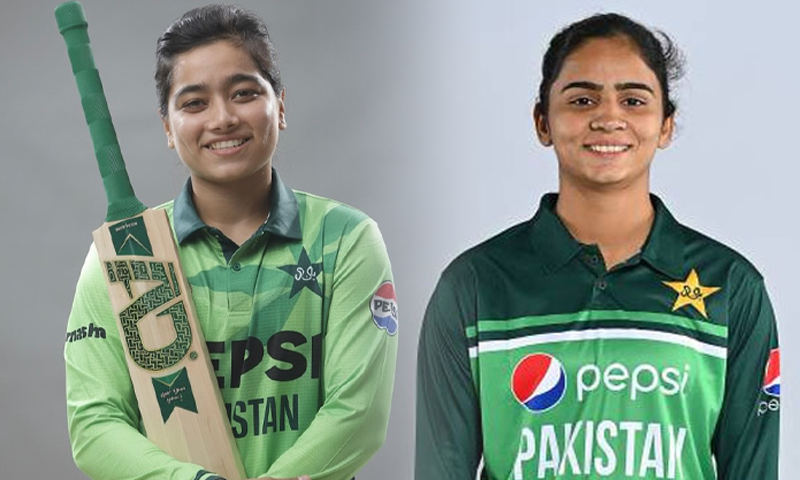
In February 2026, the Pakistan Women’s Cricket Team toured South Africa and left a mark impossible to ignore. Fatima Sana and Sadaf Shams played with a precision and fire that made spectators forget they were watching sport – and start watching something closer to art.
Off the pitch, Pakistani women are equally commanding. From handwoven textiles steeped in centuries of craft to digital works exhibited from Karachi to Copenhagen, their creativity carries Pakistan’s story outward – not as an export, but as an invitation.
A NEW CHAPTER
The story of Pakistani women is still being written. It is written in examination halls and operating theatres, on mountain faces and football pitches, in boardrooms and on farms. It is written in Urdu and Sindhi and Pashto and Balochi and a dozen other languages that carry the weight of history and the lightness of hope.
She moves mountains. She moves Pakistan. She always has. Today, the world is finally paying attention.
You May Also Like