- Web Desk
- 7 Minutes ago
Minorities’ Rights Bill passed amid calls for consensus
-

- Web Desk
- Dec 02, 2025
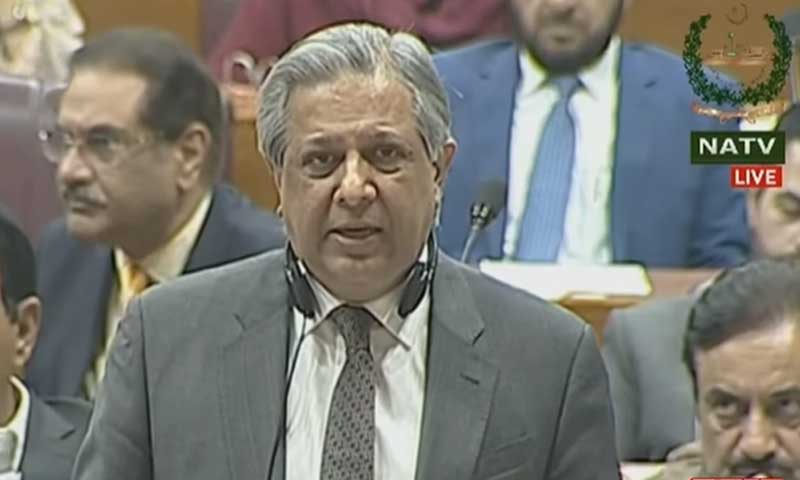
WEB DESK: Leading with a support of 160 votes against 79, the National Commission for Minority Rights Bill 2025 has been passed in the Parliament. Many members however had walked out after tearing the bill copies into piece. Meanwhile parliament’s joint session has been adjourned for an indefinite period.
Chaired by Speaker Sardar Ayaz Sadiq on Tuesday, the joint session saw an intense and at times tense debate over the bill. Law Minister Azam Nazeer Tarar assured lawmakers that no clause in the proposed legislation contradicted the Quran or Sunnah and stated that the Jamiat Ulema-i-Islam (JUI-F) leadership had also been briefed and reassured regarding the bill.
Criticism against bill
During the session, JUI-F’s Kamran Murtaza requested the deletion of Clause 35, citing concerns, to which Tarar responded that the government had no objection to removing the clause if it helped build consensus. He appealed to all political parties not to politicise the legislation, stressing that safeguarding minority rights was a constitutional responsibility rather than a tool for point-scoring. “I fold my hands and request the opposition not to oppose the bill on minority rights,” he said.
The opposition reacted vocally, chanting “no, no,” as voting on the motion to consider the bill continued. Pakistan Peoples Party’s Abdul Qadir Patel abstained from voting in favour of the motion and later walked out of the assembly.
JUI-F chief Maulana Fazlur Rehman questioned why some laws were drafted in ways that could be misused in the future but affirmed that his party supported minority protections. “We are fully prepared to speak for minority rights,” he said, adding that no legislation could override Islamic principles. PTI’s Barrister Gohar also emphasised the importance of protecting minority rights while maintaining that no law could contravene Islam.
After approval of the motion, the Parliament began the clause-by-clause scrutiny of the bill. Tarar also highlighted past judicial practices, noting that citizens were once hesitant to step outside due to the courts’ frequent suo motu actions, a system that the government had reformed despite political criticism. The detailed review of each clause is ongoing as lawmakers debate provisions to ensure comprehensive protections for minority communities across the country.
Maulana Fazlur Rehman also emphasised that the House is a forum for collective deliberation, urging that all members be brought on board during legislation. He cautioned against making the Constitution controversial, advocating for amendments by consensus, citing the nine-month consultation preceding the 18th Amendment as a positive precedent.
Responding to the criticism, Deputy Prime Minister Ishaq Dar stated that the law had already been passed by both Houses and that the President had sent back suggestions for review. He expressed regret that the bill concerning minorities was being politicised, commending the Law Minister for briefing the House effectively. “We should not play politics on such a sensitive issue,” Dar asserted, alleging that some were attempting to give the bill a “religious touch” to link the debate to political narratives. He extended an invitation for further consultation if improvements to the law were desired.
Other bills
The joint session of Parliament also passed several other bills by a majority vote. These included the Implementation Bill 2024 for the Convention on Biological and Toxin Weapons, the National Assembly Secretariat Employees Amendment Bill 2025, and the National University of Security Sciences Islamabad Bill 2023.
You May Also Like