
- Web
- 1 Hour ago
China targets 4.5–5% growth for 2026 as Beijing shifts towards economic rebalancing
-

- Web Desk
- Mar 05, 2026
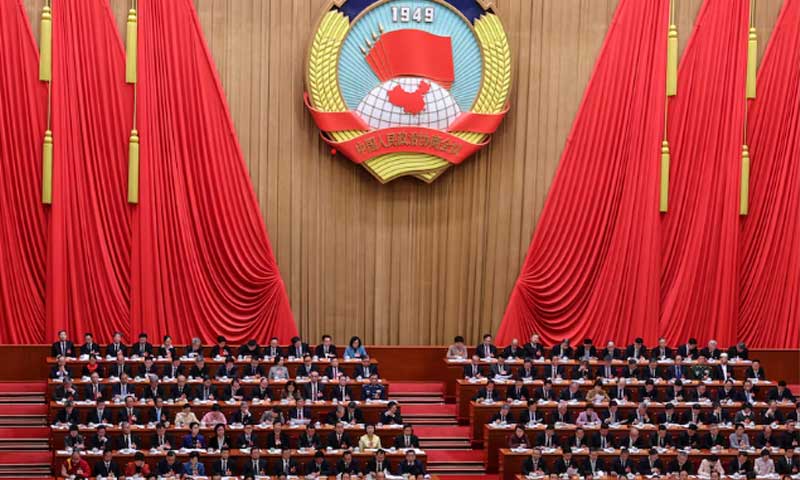
WEB DESK: China has set an economic growth target of between 4.5 and 5 per cent for 2026, according to announcements made at the opening of the National People’s Congress. The figure represents a slight reduction from the roughly 5 per cent growth recorded last year and signals a cautious approach by policymakers as they confront domestic structural pressures alongside intensifying geopolitical competition with the United States.
According to Reuters, the revised target suggests that Beijing is placing greater emphasis on the quality and sustainability of growth rather than sheer pace. By setting a slightly lower benchmark, the government appears to be creating fiscal and political space to address long-standing economic distortions, particularly industrial overcapacity and an economic model historically reliant on heavy investment and property development.
Addressing overcapacity and structural reform
Analysts view the moderated target as a pragmatic attempt to deal with persistent industrial oversupply. For years, Chinese manufacturers have produced goods—from steel to electric vehicles at levels that exceed domestic demand, fuelling trade tensions with Western economies. The 2026 growth range provides greater flexibility for authorities to gradually close inefficient “zombie” firms without the immediate pressure of meeting an ambitious GDP goal.
At the same time, Beijing aims to accelerate the rebalancing of the economy towards domestic consumption. Moving away from debt-driven infrastructure expansion, policymakers hope to cultivate a more durable growth model led by household spending. Nevertheless, many economists argue that while the shift is notable, it may not yet be sufficiently decisive to fully resolve the structural imbalances that have long characterised China’s development model.
Navigating global headwinds and strategic rivalry
This economic recalibration comes amid a more confrontational international environment, particularly in China’s relationship with the United States. As Washington expands export controls and investment restrictions in key sectors, Beijing has intensified its push for technological self-reliance.
The lower growth target therefore reflects not only domestic reform priorities but also the reality of mounting external constraints. The leadership appears increasingly prepared to accept a “new normal” of slower expansion if it results in a more resilient and technologically independent economy.
Although the adjustment is modest, it represents a clear shift away from the earlier ethos of growth at any cost, as Beijing seeks to steady the world’s second-largest economy amid a more uncertain global landscape.
You May Also Like