- Web Desk
- 40 Minutes ago
Chinese influencer loses thousands of followers after livestream filter glitch
-

- Web Desk
- Feb 19, 2026
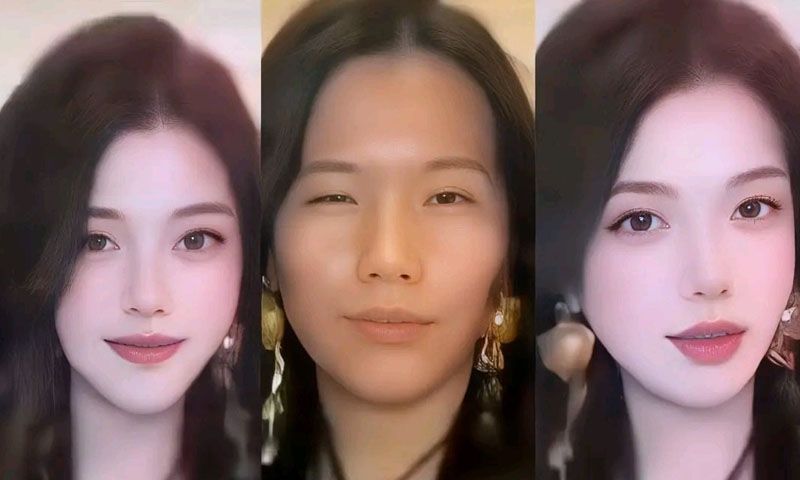
BEIJING: A Chinese social media influencer reportedly lost a large number of followers after a beauty filter malfunctioned during a live video stream, briefly exposing her real face and sparking a fresh debate about digital appearance standards and authenticity online.
Posts circulating on platforms such as X and Instagram said the livestream glitch occurred when the AI-powered beauty filter she was using suddenly switched off, revealing her natural skin texture, warmer complexion and ordinary facial proportions for a few seconds before the enhancement returned. A four-second clip of the moment quickly went viral.
Social media users widely shared images and short videos of the incident, many claiming that the influencer lost about 140,000-150,000 followers in the minutes after the filter failure.
Those figures, however, are based on user-generated content and have not been independently verified, and no official confirmation of the exact follower loss has been made public.
The incident reignited discussion about the prevalence of beauty filters and image enhancements in China’s booming livestreaming industry, where influencers often interact with audiences in real time and can earn money through virtual gifts and sponsorships.
Critics of heavy filter use argue such tools can create misleading impressions, while others on social media said the influencer’s unfiltered look was “more genuine” and “prettier” than the exaggerated digital version.
Livestreaming has become a major form of online content in China, particularly on platforms such as Douyin, where digital enhancements that smooth skin, enlarge eyes and refine facial features are commonplace.
The brief filter failure highlighted the tension between curated online personas and real-world appearances in the creator economy.
Online responses ranged from criticism of the influencer for relying on artificial enhancements to calls for greater transparency in how content creators present themselves.
The event also renewed comparisons to past incidents in China in which filter glitches exposed discrepancies between influencers’ online images and their real appearances
You May Also Like