- Web
- 12 Minutes ago
Chinese-linked vessel uses Iran-controlled corridor in Strait of Hormuz
-

- Web Desk
- 5 Minutes ago
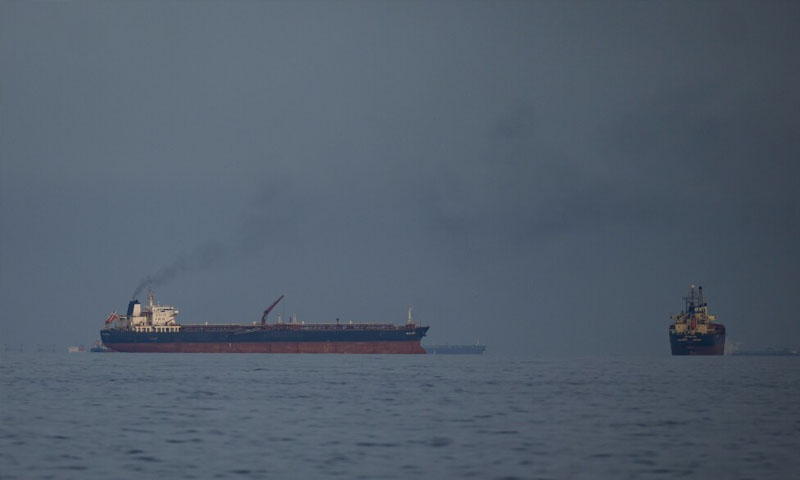
DUBAI/LONDON: A Chinese-owned cargo vessel has become the first known ship to transit a newly established route through Iranian-controlled waters in the Strait of Hormuz, underscoring shifting dynamics in one of the world’s most critical energy chokepoints amid rising regional tensions.
The Panama-flagged Newvoyager passed between Iran’s Larak Island and Qeshm Island on March 23, bypassing traditional international shipping lanes just days after Tehran signalled what analysts describe as a de facto “safe corridor” for selected vessels.
Shipping data and industry reports show the vessel identified itself as “China Owner” during the transit, highlighting Beijing’s growing footprint in a corridor increasingly influenced by Iran.
The move comes as commercial shipping patterns begin to adjust to escalating conflict in the Gulf, where fears of attacks, seizures and blockades have disrupted traffic through the narrow waterway.
The Strait of Hormuz handles roughly a fifth of global oil consumption, making any shift in routing or control a matter of global economic concern.
Iran’s apparent creation of a controlled passage suggests it is seeking to regulate maritime traffic more directly, offering safer transit to selected vessels while maintaining leverage over a key global chokepoint.
Analysts say the involvement of a Chinese-linked vessel is significant, as Beijing remains one of the largest buyers of Iranian oil and maintains close economic ties with Tehran despite Western sanctions.
By using the Iran-aligned corridor, the vessel may signal a willingness among some operators, particularly those linked to China, to accept Iranian oversight in exchange for reduced risk.
Shipping industry sources cited by Lloyd’s List said some vessels are now paying Iran-linked entities or coordinating closely with Iranian authorities to secure safe passage.
Under normal conditions, most vessels transiting the Strait follow internationally recognised shipping lanes designed to minimise risk and ensure freedom of navigation.
The Newvoyager’s route between Larak and Qeshm islands represents a notable deviation, effectively moving traffic closer to Iran’s territorial control.
Such rerouting reflects growing concern among shipowners over security threats in open lanes, particularly amid reports of drone attacks, missile strikes and naval interceptions in the region.
The development points to a potential fragmentation of maritime governance in the Gulf, as increased use of Iran-controlled routes could undermine established shipping norms, expand Tehran’s economic and strategic leverage and complicate U.S. and allied naval operations.
It may also deepen geopolitical divides, with some countries opting into Iran-managed corridors while others continue to rely on traditional Western-protected routes.
The shift comes amid a broader regional crisis involving Iran, Israel and the United States, with tensions threatening energy supplies and global trade flows.
Iran has repeatedly warned it could restrict access to the Strait in response to military pressure, while also signalling it can ensure safe passage for what it describes as friendly nations.
Against this backdrop, the emergence of a parallel corridor reflects both the risks facing global shipping and the evolving balance of power in the Gulf.
The transit of the Chinese-linked Newvoyager through an Iran-controlled route marks a potentially significant turning point in how ships navigate the Strait of Hormuz, with implications for global trade, energy security and geopolitical alignment as the crisis continues.
You May Also Like