- Web Desk
- 45 Minutes ago
Chinese ships turn back in Gulf despite Iran’s safe passage assurances
-

- Web Desk
- 1 Minute ago
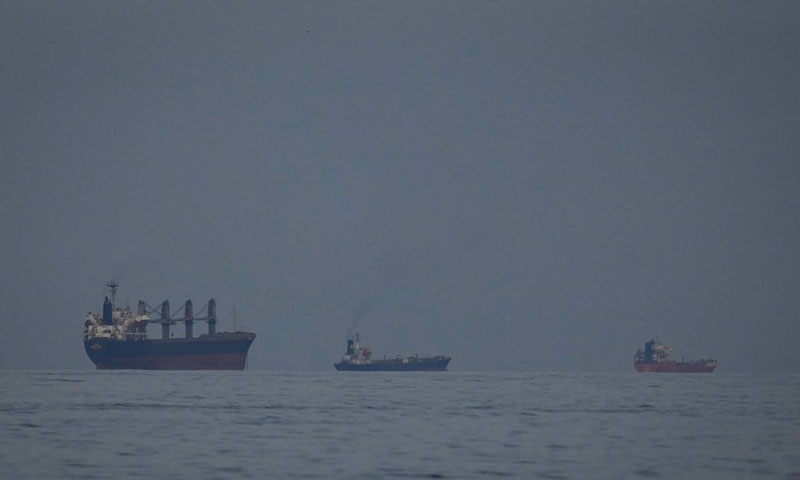
DUBAI: Two Chinese container ships turned back after attempting to exit the Gulf through the Strait of Hormuz on Friday, highlighting continuing risks to maritime traffic despite Iran’s assurances of safe passage for friendly nations.
The vessels, operated by China’s state-owned shipping giant COSCO Shipping, had been stranded in the Gulf since the escalation of tensions following the US-Israel war with Iran on February 28. They attempted to pass through the strategic waterway at 0350 GMT but reversed course, according to ship-tracking data.
The ships — CSCL Indian Ocean and CSCL Arctic Ocean, both Hong Kong-flagged — had only recently resumed activity after COSCO reopened bookings for container shipments to Gulf destinations including the United Arab Emirates, Saudi Arabia, Bahrain, Qatar, Kuwait and Iraq.
Despite assurances from Tehran, the incident underscores the fragility of maritime movement through Hormuz. Iranian authorities have said vessels from friendly countries, including China, Russia, India, Iraq and Pakistan, would be allowed passage, but recent developments suggest approvals remain selective.
“Safe passage could not be guaranteed,” said Kpler analyst Rebecca Gerdes, noting that Friday marked the first crossing attempt by a major shipping group since the conflict began.
Iran’s Revolutionary Guards reportedly turned back several vessels, with state media saying at least three container ships were forced to retreat after warnings from its naval forces.
The Strait of Hormuz, a critical chokepoint for global energy flows, has seen heavy disruption since the start of the conflict. Iran’s actions have stranded hundreds of vessels and thousands of seafarers in the Gulf, while exports of crude oil from regional producers and liquefied natural gas shipments from Qatar have been severely affected.
Iran has repeatedly said that only selected ships would be allowed passage, warning that vessels linked to the United States, Israel or their allies would be blocked.
On Wednesday, Iranian Foreign Minister Abbas Araghchi said Tehran would permit transit for “friendly nations” but did not provide operational guarantees for shipping lanes.
Meanwhile, limited movement has continued, including select oil and gas shipments following diplomatic coordination. However, overall maritime traffic remains constrained, with Iranian tankers dominating outbound movement.
US President Donald Trump has also claimed that Iran allowed some oil tankers to pass as part of a goodwill gesture, though details remain unclear.
China has maintained diplomatic engagement with both Iran and Pakistan. Chinese Foreign Minister Wang Yi said that initiating peace talks would help restore normal navigation through Hormuz.
The developments come as global shipping companies remain cautious, with industry observers warning that the situation could further disrupt energy markets and international trade if tensions persist.
You May Also Like