
- Aasiya Niaz
- 9 Minutes ago
‘Cicada’ covid variant spreads globally: should you be worried?
-

- Web Desk
- 2 Minutes ago
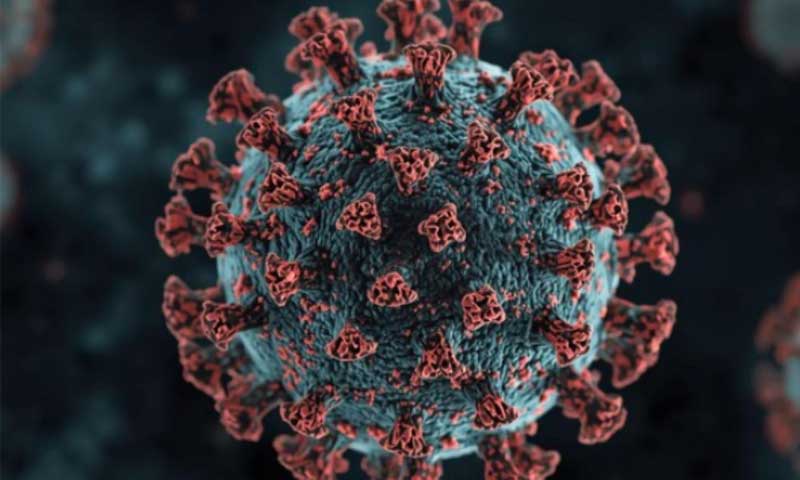
A newly identified Covid-19 strain, informally dubbed the “Cicada” variant, is being tracked across multiple countries as health authorities study its potential impact. The variant, scientifically labelled BA.3.2, has been detected in at least 25 states in the United States and is also circulating in more than 20 countries, with rising prevalence reported in parts of Europe.
Researchers say the variant is drawing attention due to a high number of genetic changes, particularly in the spike protein, the part of the virus that helps it enter human cells. These mutations may influence how the virus interacts with existing immunity from past infections or vaccination.
What is the cicada variant?
The BA.3.2 strain was first identified in South Africa in late 2024 and has since evolved with multiple mutations. Scientists have noted that these changes could make the virus appear different to the immune system, potentially allowing it to partially evade existing protections.
Public health experts say this characteristic is why the variant is being closely monitored. The World Health Organization has classified it as a “variant under monitoring,” meaning it does not currently pose a major global threat but requires continued observation.
Should you be worried?
Despite concerns about its mutations, early data suggests that the Cicada variant is not associated with more severe illness or increased hospitalisations. Health experts emphasise that existing vaccines are still expected to provide protection against serious disease.
However, the spread of the variant highlights the ongoing evolution of the virus and the importance of surveillance. Experts advise maintaining basic precautions, especially for vulnerable groups, while monitoring updates from health authorities.
For now, the variant is being watched rather than treated as a cause for alarm, with scientists continuing to assess its long-term implications.
You May Also Like