
- Reuters
- September 29, 2026
CNN, MS NOW and Politico seek extension of court order blocking White House ban
-

- Reuters
- September 29, 2026
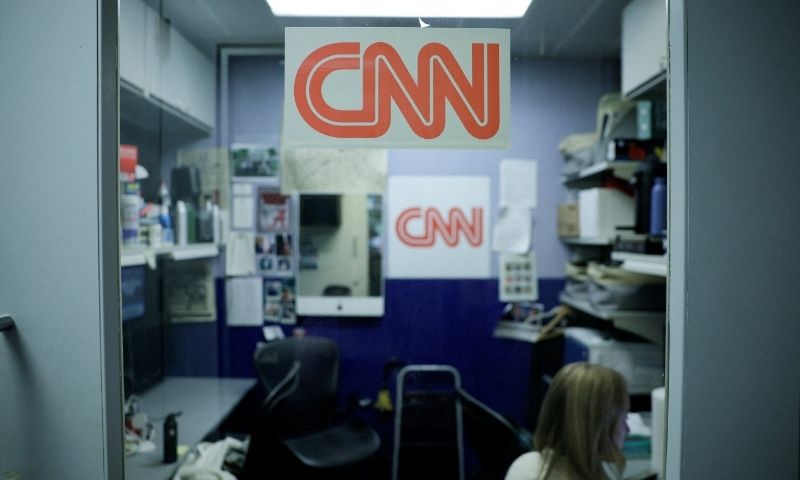
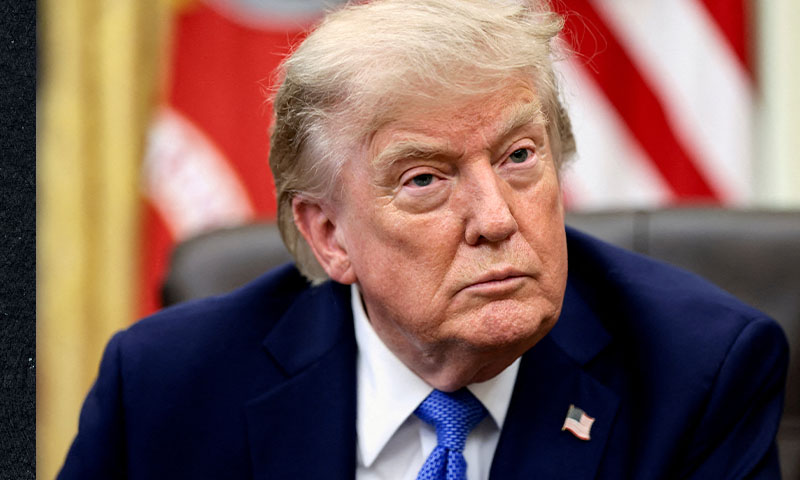
NEW YORK: CNN, MS NOW and Politico have asked a federal judge to extend an order blocking the White House from restricting their access, as they press ahead with a lawsuit challenging President Donald Trump’s decision to bar the three outlets.
The news organisations asked US District Judge Timothy Kelly in Washington to issue a preliminary injunction that would keep the restrictions on hold until the court reaches a final ruling.
Kelly had earlier granted a 14-day temporary restraining order, finding that the outlets were likely to succeed in showing their press credentials were revoked without constitutionally adequate due process.
Trump announced the ban on Sept 18, accusing the outlets of publishing false and misleading coverage and saying it reflected a pattern of unfavourable reporting rather than a single story. The White House said other media organisations could face similar restrictions.
In a lawsuit filed on Sept 21, the outlets argued the ban amounted to unconstitutional viewpoint discrimination under the First Amendment and violated their Fifth Amendment due process rights, since their credentials were revoked without notice or a chance to respond.
The Justice Department has defended the ban, saying Trump acted lawfully after concluding that the outlets’ reporting on the Iran war and White House construction posed a national security risk by disclosing classified information. Kelly, in his TRO ruling, said he was sceptical that national security was the actual motivation behind the revocations.
The White House restored the journalists’ access after Kelly’s order, though the outlets said some reporters were initially still blocked despite the ruling.
The dispute is one of several clashes between Trump and the news media during his presidency. He has repeatedly criticised outlets whose coverage he objects to, pursued legal action against several major organisations, and altered longstanding practices around White House press access, including giving greater prominence to newer media outlets. The case is now a wider test of how far a president can limit journalists’ access to the White House within constitutional limits.
You May Also Like

- Reuters
- September 28, 2026
Russia raises 2027 military spending by 27pc, budget documents show

- WEB DESK
- September 28, 2026