
- Web
- 3 Hours ago
Cold, dry weather predicted for Tuesday as smog descends
-

- Web Desk
- Nov 11, 2025
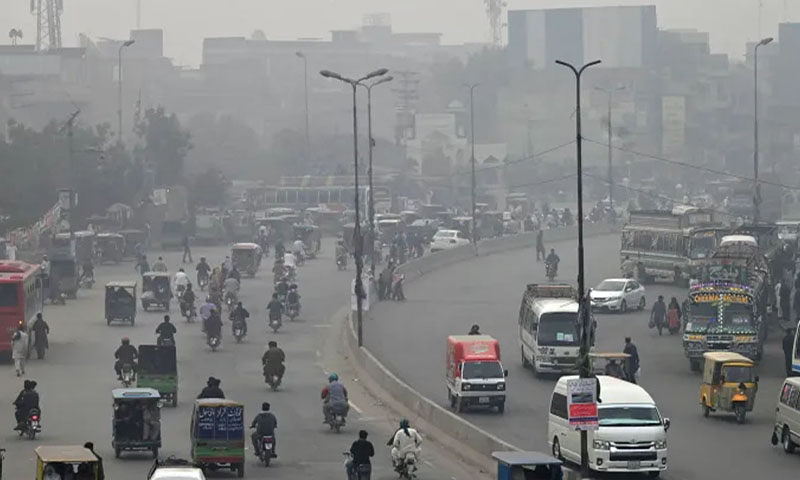
WEB DESK: The weather across most parts of the country is expected to remain dry on Tuesday, with cold conditions prevailing in the upper regions, according to the Pakistan Meteorological Department (PMD). Fog and smog have also descended due to colder weather, worsening AQI in the plains.
Going region by region, in the federal capital Islamabad and surrounding areas, the weather will stay dry, while temperatures are expected to drop during the morning and night hours.
Most districts of Punjab will experience dry conditions. However, smog is likely to persist in the plain areas, particularly during morning and night hours, while light fog may develop at a few places. In Murree and Galiyat, the weather will remain dry and cold.
Sindh will see dry weather across most districts throughout the day. Likewise, most districts will experience dry weather, while hilly areas are expected to remain cold.
The weather will stay dry in most districts of Balochistan, with colder conditions expected in the northern parts of the province.
Both Kashmir and Gilgit-Baltistan are likely to experience cold and partly cloudy conditions on Tuesday.
The Met Office has advised citizens, especially in Punjab, to take precautionary measures against smog and reduced visibility during early morning and night hours.
LAHORE AND DELHI REMAIN PLUNGED IN SMOG
Both Lahore and Delhi are once again blanketed in hazardous smog as air quality levels plunge to some of the worst on record, marking the return of the region’s “pollution season.” In Lahore, the Air Quality Index (AQI) recently exceeded 700 at the beginning of this month, more than 15 times the level considered safe. It left the city’s 14 million residents struggling with burning eyes, sore throats, and breathing difficulties.
Across the border, Delhi’s air quality has also fallen into the “very poor” and “hazardous” categories, with visibility dropping sharply as thick smog settles over the city.
Authorities in both cities have announced measures to combat the crisis, but residents say the problem worsens every year. Experts point to crop stubble burning, industrial emissions, and vehicle exhaust as key contributors, compounded by cold winter air that traps pollutants near the ground.
Amid mounting health risks, Punjab Chief Minister Maryam Nawaz has proposed a “smog diplomacy” initiative between Pakistan and India, stressing that “the air doesn’t recognise borders” and calling for joint efforts to tackle the crisis choking both cities.
You May Also Like