- WEB DESK
- October 27, 2026
Court moved to regulate social media use by children under 16
-

- WEB DESK
- August 23, 2026
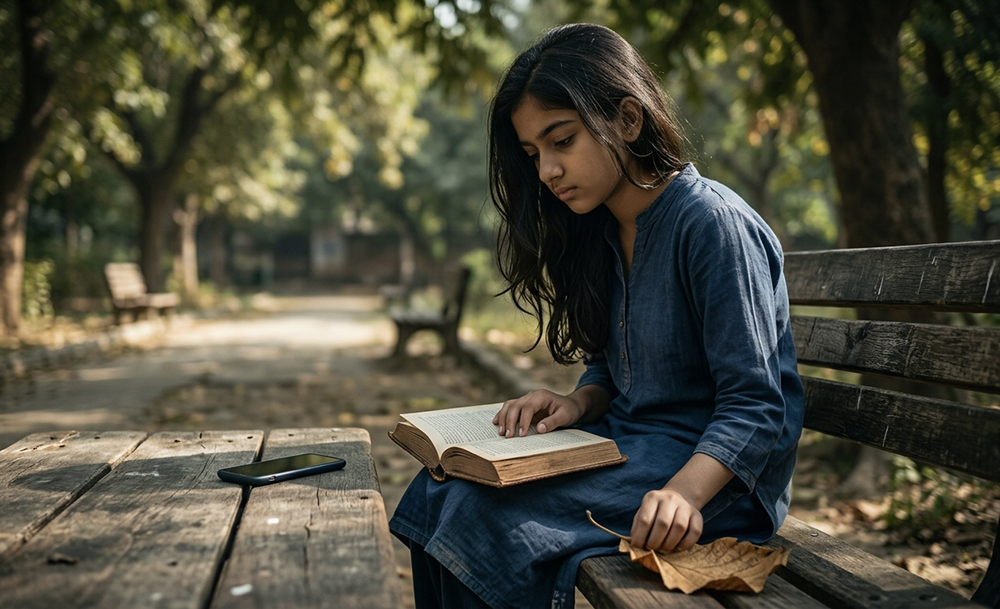
ISLAMABAD: The debate over regulating social media use by children under 16 has reached the Islamabad High Court (IHC), with petitioners seeking comprehensive legislation, effective age verification and stronger safeguards for minors — bringing Pakistan into a growing international discussion over how to balance children’s online safety with their digital rights.
The petition, filed through advocates Muhammad Jalal Haider and Yahya Farid Khawaja, asks the federal government to introduce legislation and a regulatory framework governing social media use by children under 16.
The petitioners have sought an effective mechanism to verify the age of social media users, arguing that the absence of such a system leaves children vulnerable to cyberbullying, online harassment and harmful or inappropriate content.
They have also urged the state to formulate a policy covering children’s digital rights, privacy and mental and physical safety, while placing specific responsibilities on social media platforms to protect minors.
The petitioners cited measures adopted or proposed by Australia, France, the United Kingdom, New Zealand and Spain, where governments have introduced or considered safeguards including age limits, parental consent and age-verification systems to regulate children’s access to social media.
The petition invokes the United Nations Convention on the Rights of the Child and General Comment No. 25, arguing that protecting children’s best interests is a legal obligation of the state, rather than simply a policy objective.
It also argues that the lack of an effective age-verification mechanism leaves children exposed to online risks and undermines the enforcement of safeguards designed to protect minors.
The petitioners have asked the Islamabad High Court to direct the federal government to introduce legislation regulating social media use by children under 16 and establish an institutional mechanism to oversee their digital protection.
The Ministry of Information Technology and Telecommunication, Ministry of Information and Broadcasting, Ministry of Interior, Ministry of Law and Justice, Pakistan Telecommunication Authority (PTA) and Pakistan Electronic Media Regulatory Authority (Pemra) have been named as respondents.
Australia has introduced a minimum age of 16 for accounts on designated social media platforms. France has legislation requiring parental authorisation for social media registration by children under 15. Spain has announced plans to prohibit social media access for under-16s and require effective age-verification systems. New Zealand has also proposed legislation aimed at preventing under-16s from accessing designated social media platforms.
The differences are significant: some countries focus on parental consent, others on platform responsibility, while some are moving towards outright age-based restrictions.
Pakistan’s debate is not starting from scratch
The latest petition is not the first time the issue has reached Pakistan’s courts.
In February, the IHC sought a detailed report from the federal government on measures to regulate social media access for children under 16.
Justice Arbab Muhammad Tahir had asked relevant authorities about age-verification mechanisms, monitoring and enforcement and progress on a proposed Social Media Protection and Regulatory Authority.
The latest petition therefore comes against a backdrop of an already developing debate over children’s online safety.
The issue has also reached the Punjab Assembly.
A resolution submitted last month called for a nationwide ban on social media accounts for children under 16 without parental consent.
It proposed a reliable age-verification mechanism, stronger responsibilities for social media companies and measures against cyberbullying, online sexual exploitation, inappropriate content and digital addiction.
The latest petition similarly invokes children’s digital rights and privacy and refers to the UN Convention on the Rights of the Child and General Comment No. 25, arguing that protecting children’s best interests is a legal obligation of the state.
You May Also Like

- WEB DESK
- October 27, 2026
Punjab govt moves to provide life insurance cover to employees
- AFP
- October 27, 2026