- Web Desk Faizan Khan
- 33 Minutes ago
Court orders India to submit hydropower records in Indus Waters Treaty Dispute
-

- Web Desk
- Jan 30, 2026
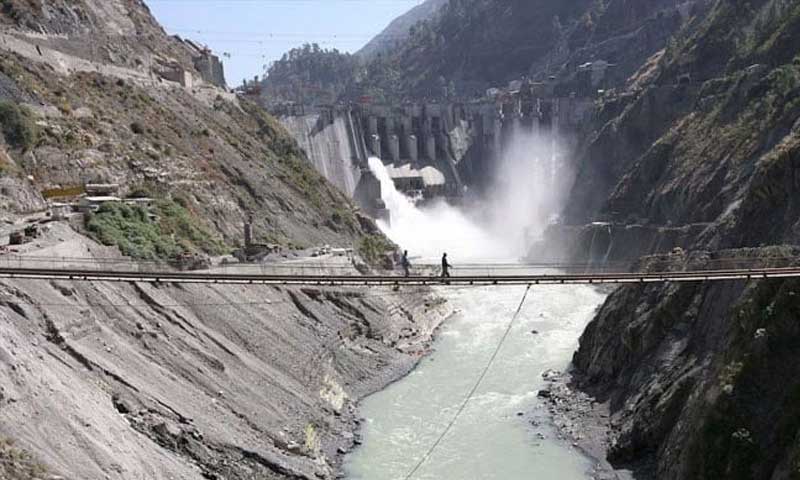
WEB DESK: The Court of Arbitration has directed India to provide operational records from two disputed hydroelectric projects in a key development in the long-standing Indus Waters Treaty (IWT) dispute.
The Hague-based Court, established under the 1960 Treaty, issued a 13-page Procedural Order requiring India to submit pondage logbooks and operational data from the Baglihar and Kishanganga hydropower plants by February 9, 2026. India must comply or formally explain any refusal. Pakistan has been asked to clarify the specific documents it requires by February 2, 2026.
Pakistan’s Request for Transparency
The order supports Pakistan’s request for transparency regarding the operation of India’s run-of-river projects. Pakistan has argued that India’s project designs and operations may not fully comply with the IWT, particularly in terms of water storage capacity, spillway design, and flow regulations, which could affect downstream water availability.
Under the IWT, the Western Rivers, Indus, Jhelum, and Chenab, are allocated primarily to Pakistan, while India has limited non-consumptive rights, including run-of-river hydropower generation under technical guidelines in Annexure D.
Projects in Dispute
The dispute involves India’s Kishanganga (Neelum/Kishanganga tributary of the Jhelum) and Ratle (Chenab) projects. Pakistan claims these projects potentially violate storage limits and flow rules, raising concerns about downstream water security.
A hearing on the merits of the case is scheduled in The Hague from February 2–3, 2026, which will proceed even if India does not participate. The Court has previously affirmed its jurisdiction, despite India’s objections and its 2025 decision to suspend the Treaty temporarily.
The ruling reflects the importance of actual operational data in assessing compliance, reinforcing Pakistan’s position. It highlights the ongoing relevance of the IWT in managing shared water resources and resolving disputes through established legal mechanisms.
The proceedings continue under the Permanent Court of Arbitration, reflecting the structured dispute resolution framework established under the Treaty.
You May Also Like