- Web Desk
- 7 Minutes ago
Dar says Israeli attacks on Lebanon almost derailed US-Iran talks in Switzerland
-

- Web Desk
- 1 Hour ago
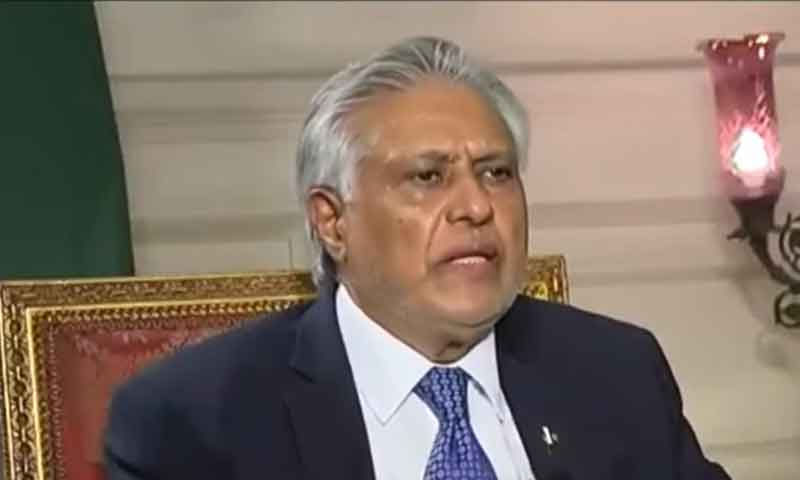
ISLAMABAD: Deputy Prime Minister and Foreign Minister Ishaq Dar has said that a meticulously crafted “Islamabad Memorandum of Understanding (MoU)” successfully brought the United States and Iran back to the negotiating table in Switzerland.
Talking to Al Arabiya TV, Dar revealed that “he scheduled talks in in Bürgenstock, Switzerland were on the verge of being derailed by Israeli attacks on Lebanon” He said that the rising regional tensions had dealt a significant blow to backchannel diplomatic efforts and threatened to sabotage the US-Iran talks entirely.
Dar said that Pakistan played a continuous facilitating role throughout the process, first securing a ceasefire between the parties before pushing to revive the stalled diplomatic tracks.
“The ongoing technical negotiations currently taking place in Switzerland could have commenced much earlier, but were severely delayed and nearly derailed due to Israeli military actions in Lebanon,” he said.
According to Dar, the newly revived Switzerland talks are focused on implementing the terms of the Islamabad MoU.
“Both sides have accepted the framework, and progress is actively being made, with a strict timeline requiring both parties to conclude the remaining negotiation process within 30 days.”
NUCLEAR STOCKS AND SANCTIONS
Dar provided key details on the core issues being addressed in the upcoming phases of dialogue, which will cover sanctions, Iran’s nuclear programme, and the situation in Lebanon.
He disclosed that Iran had previously agreed to down-blend its enriched nuclear stockpiles to lower levels. However, Dar clarified that sanctions imposed on Iran are not going to be lifted immediately.
“The future of the sanctions will be decided through mutual consultations between the United States and Iran,” Dar stated.
STRAIT OF HORMUZ AND REGIONAL IMPACT
He said that the diplomatic breakthrough also addresses critical maritime security concerns in the Middle East.
Dar said that under the current understandings, no fees or tolls will be levied on maritime vessels crossing the Strait of Hormuz for a period of 60 days.
“The Strait of Hormuz must be restored to its previous state for free navigation,” he emphasised, stressing that shipping traffic should continue through the vital waterway without any financial levies or restrictions.
Reflecting on the broader economic benefits of reducing geopolitical friction, Dar concluded by highlighting how past diplomatic breakthroughs had successfully stabilised global markets.
“We have seen the dividends of peace before, such as when energy prices declined.”
You May Also Like