- Web Desk
- 2 Hours ago
Dar says Pakistan actively pressing for dialogue to calm Middle East tensions
-

- Web Desk
- 1 Minute ago
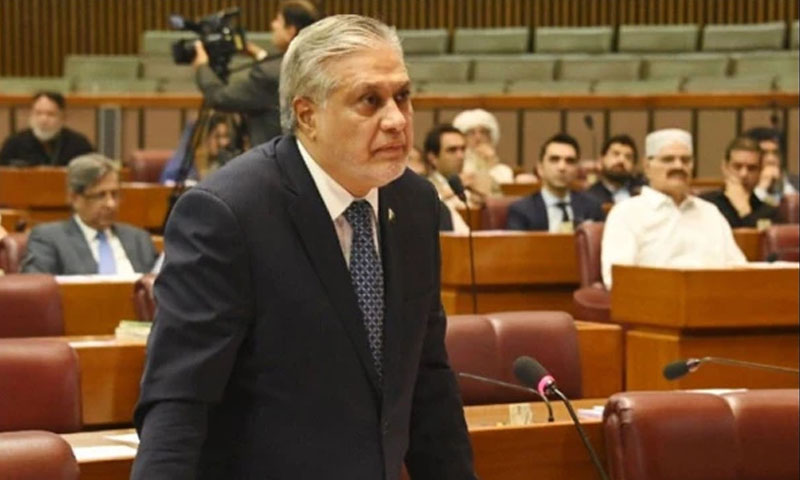
ISLAMABAD: Deputy Prime Minister and Foreign Minister Ishaq Dar said on Tuesday that Pakistan has pressed both public and behind-the-scenes diplomatic efforts to calm tensions following a sudden United States-Israel attack on Iran as Pakistan sought a role in brokering dialogue.
Speaking in the Senate, Dar said Islamabad responded swiftly to the crisis earlier this year, issuing its first public reaction on February 28 and later communicating condolences after the killing of Iran’s Supreme Leader Ayatollah Ali Khamenei in the Israeli strikes.
He said Prime Minister Shehbaz Sharif had issued a statement mourning the loss of Khamenei as Pakistan worked to stabilise the situation through “active engagement and diplomacy.”
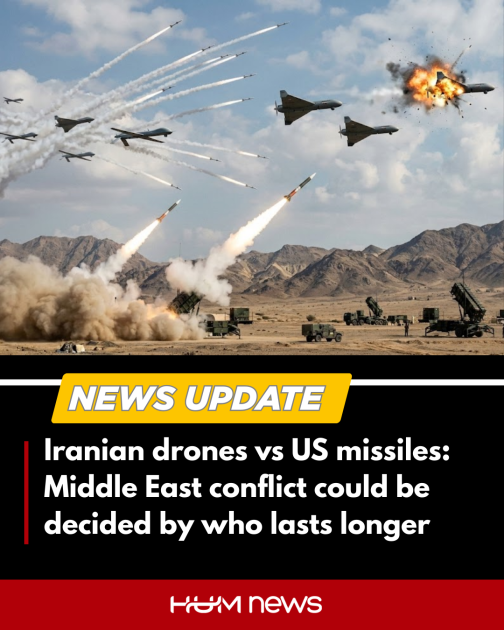
Dar told lawmakers Pakistan had not only used official channels but also back-door diplomacy to urge restraint and de-escalation following the recent hostilities, which have seen Tehran launch missiles and drones at US interests and bases across the Gulf in retaliation for the attacks.
He said Islamabad had been in contact with several countries over the past three days to encourage talks, adding that dialogue offered the only viable path to easing tensions.
“Iran is our neighbouring and brotherly country; we have been extremely active both publicly and privately,” Dar told senators, adding the Iranian leadership was aware of and appreciative of Pakistan’s efforts.
In his briefing, Dar also said Tehran had agreed not to pursue nuclear weapons, a stance he said he conveyed to US Secretary of State Marco Rubio amid talks that Pakistan hoped to help facilitate. Islamabad, he added, supports Iran’s right to a peaceful nuclear programme under international law and was prepared to host mediation between Washington and Tehran.
The comments come as other capitals push for diplomatic solutions. Mediated by Oman, recent indirect talks between the United States and Iran in Geneva showed “significant progress” but stopped short of a deal, with negotiations set to resume in Vienna next week.
The conflict has added strain to an already volatile region, with global powers and international organisations warning that escalation could have far-reaching consequences. Russia’s foreign minister said Moscow has seen no evidence that Iran was developing nuclear weapons, challenging Washington’s justification for military action and urging an immediate cessation of hostilities to prevent further civilian casualties.
Pakistan’s push for diplomacy comes amid broader international efforts to prevent the Middle East crisis from spiralling into a wider war and to salvage stalled nuclear negotiations with Tehran.
You May Also Like