- Web
- 11 Hours ago
Dawn of diplomacy: U.S., Iran, agree to ceasefire as Islamabad talks offer path to peace
-

- Web Desk
- 1 Minute ago
In a dramatic overnight diplomatic breakthrough, the United States, Iran, and key regional actors have moved toward a temporary ceasefire, raising cautious optimism about a broader peace agreement in the Middle East. Brokered by Pakistan, US and Iran have agreed to hold talks in Islamabad on April 10.
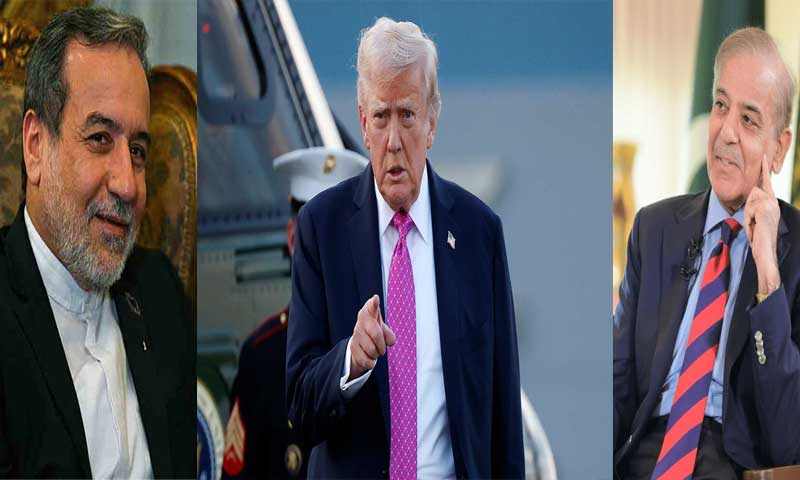
At approximately 3:30 AM, U.S. President Donald J. Trump announced a two-week suspension of planned military strikes against Iran. According to his statement, the decision followed direct discussions with Pakistan’s Prime Minister Shehbaz Sharif and Field Marshal Asim Munir, who urged restraint.
President Trump stated that U.S. military objectives had already been achieved and revealed that Washington and Tehran were “very far along” in negotiating a long-term peace agreement. He confirmed that Iran had submitted a 10-point proposal, which the U.S. considers a workable framework for final negotiations.
Shortly afterward, at 4:11 AM, Iran’s Foreign Minister Seyed Abbas Araghchi issued a formal response from Tehran. He expressed appreciation for Pakistan’s mediation efforts and confirmed that Iran would halt its defensive military operations if attacks against it cease.
Araghchi also announced that, for a period of two weeks, safe maritime passage through the Strait of Hormuz would be permitted under coordination with Iranian armed forces, addressing one of the most critical global energy chokepoints.
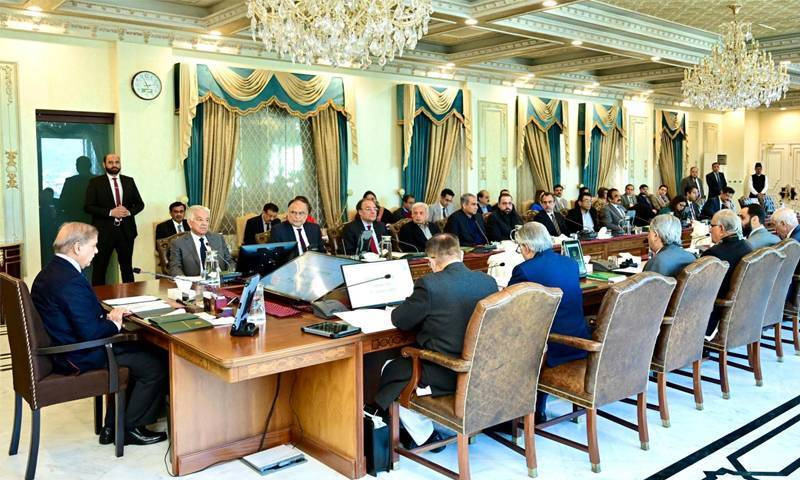
The diplomatic momentum continued when Pakistan’s Prime Minister Shehbaz Sharif issued a statement at 4:50 AM declaring that both sides, along with their allies, had agreed to an immediate ceasefire across all theaters, including Lebanon and other affected areas.
Sharif praised the leadership of both nations for their “wisdom and understanding” and formally invited delegations from the United States and Iran to Islamabad for high-level negotiations on April 10, 2026. These talks, referred to as the “Islamabad Talks,” aim to finalize a comprehensive agreement to resolve longstanding disputes and establish lasting regional stability.
If successful, the ongoing efforts could mark one of the most significant diplomatic breakthroughs in recent Middle Eastern history, potentially ending a prolonged period of heightened tensions and conflict.
Further developments are expected in the coming days as negotiations continue.