- Web Desk
- 6 Hours ago
Despite modest gains, Pakistan ranks lowest in South Asia for literacy
-

- Web Desk
- Feb 02, 2026
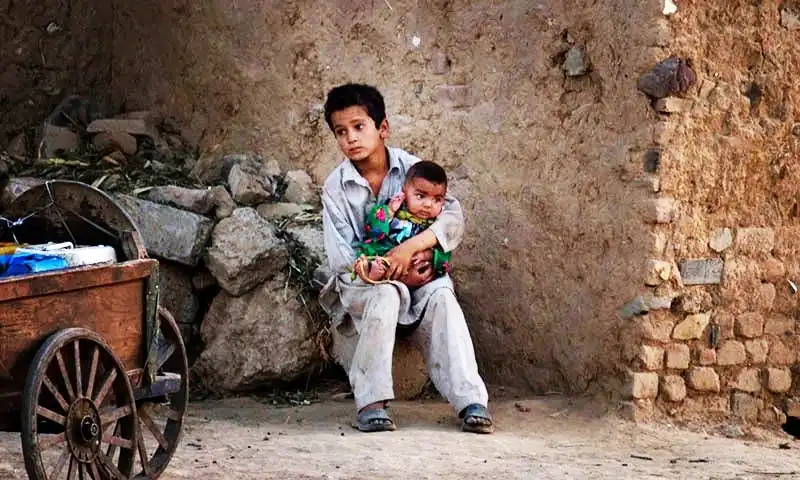
WEB DESK: Pakistan continues to rank lowest in South Asia for literacy despite modest improvements, according to a recent review by the Free and Fair Election Network (FAFEN).
Drawing from the Pakistan Bureau of Statistics’ Pakistan Social and Living Standards Measurement Household Integrated Economic Survey (PSLM–HEIS) 2024–2025 and World Bank data, the overall literacy rate for individuals aged 10 and above stands at 63 per cent, 15 percentage points below the South Asian regional average of 78 per cent. This places Pakistan behind all its neighbours, including the Maldives (over 98 per cent), Sri Lanka (93 per cent), India (87 per cent), Bangladesh (79 per cent), Nepal (68 per cent) and Bhutan (65 per cent).
The national figure reflects slow progress: literacy has risen only three percentage points from 60 per cent in 2018–2019, a pace FAFEN describes as “alarmingly slow” for a country with a population exceeding 240 million, leaving every third Pakistani unable to read or write a simple sentence. Within Pakistan, significant disparities persist.
Males have a literacy rate of 73 per cent compared to 54 per cent for females, revealing a persistent 19-point gender gap. Provincially, Punjab leads with 68 per cent, followed by Sindh and Khyber Pakhtunkhwa at 58 per cent each, while Balochistan trails at 49 per cent. Age-wise, youth literacy (15–24 years) shows more promise at 77 per cent, up from 72 per cent in the previous survey, offering some hope, though adult literacy (15+) remains lower at around 60 per cent.
Article 25A of the Constitution guarantees free and compulsory education for children aged 5–16, and education has been a provincial subject since the 18th Amendment, with Pakistan committed to UN Sustainable Development Goal 4 on quality education.
Despite these frameworks, challenges such as inadequate funding, teacher shortages, poor infrastructure, cultural barriers (particularly for girls’ education), and uneven provincial implementation continue to hinder faster gains. FAFEN emphasises that literacy is foundational to economic development, gender equality, informed citizenship and effective governance, urging accelerated, targeted interventions, especially in lagging regions like Balochistan and Sindh through girls’ education programmes, out-of-school children initiatives and expanded use of digital and accelerated learning methods to close the regional and internal gaps more decisively.
You May Also Like