- Web Desk
- 2 Hours ago
Diplomacy resumes: Iran, US agree on further negotiations after Oman meeting
-

- Web Desk
- Feb 07, 2026
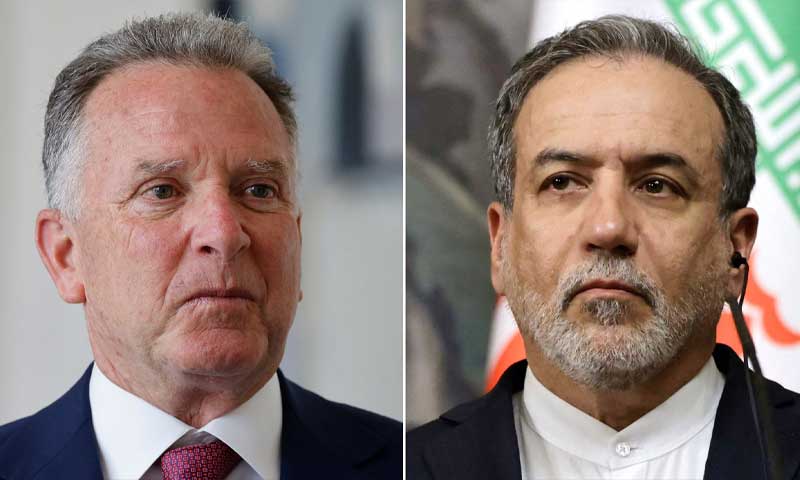
WEB DESK: In a notable development amid escalating regional tensions, Iran and the United States wrapped up a round of indirect negotiations in Muscat, Oman, on Friday, February 6. The discussions, focused exclusively on Iran’s nuclear program, were described by both sides as a positive initial step, with commitments to pursue further dialogue after consultations in their respective capitals.
Iranian Foreign Minister Abbas Araghchi characterised the talks as a “good start” and “very positive,” noting they occurred in a calm atmosphere free of threats or pressure. He stressed that the agenda was limited strictly to nuclear matters, with Iran’s ballistic missile program and regional policies remaining firmly off the table. Araghchi highlighted the persistent “lack of trust” between the two nations but expressed optimism that continued engagement could help address core issues.
The US delegation, led by Special Envoy Steve Witkoff and including Jared Kushner (President Donald Trump’s son-in-law), participated alongside CENTCOM Commander Adm. Brad Cooper in some capacities, underscoring the military dimension amid a US naval buildup in the region. Omani Foreign Minister Sayyid Badr Albusaidi served as the key mediator, shuttling between the delegations and facilitating separate meetings before joint indirect sessions. Albusaidi described the exchanges as “serious” and “useful” for clarifying positions, expressing hope for progress in future rounds.
The talks come against a backdrop of heightened friction, including recent US airstrikes on Iranian nuclear facilities in 2025, widespread protests in Iran, and mutual accusations that have fueled fears of broader conflict. While Iran seeks full sanctions relief as a prerequisite for concessions, the US continues to demand verifiable curbs on uranium enrichment, alongside limits on missile development and proxy activities issues Iran has repeatedly rejected as non-negotiable.
Despite the narrow focus, both sides agreed to return home for high-level reviews, with expectations that negotiations could resume soon. President Trump described the discussions as “very good,” aligning with Iranian statements on the need for ongoing talks. However, the White House simultaneously announced new sanctions targeting Iran’s oil export “shadow fleet,” signalling that diplomatic outreach is paired with continued pressure.
Regional players, including leaders from Saudi Arabia, Turkey, and Pakistan, reportedly played a behind-the-scenes role in encouraging sustained engagement to avert escalation. Oman, long a neutral mediator in US-Iran relations, reiterated its commitment to fostering dialogue.
As delegations depart Muscat, the international community watches closely. Success in upcoming rounds will hinge on whether Tehran and Washington can translate cautious optimism into concrete proposals, potentially easing the path toward a framework that addresses mutual concerns without derailing into confrontation. For now, the resumption of talks marks a tentative thaw in one of the Middle East’s most volatile standoffs.
You May Also Like