- Aasiya Niaz
- 2 Minutes ago
Dollar holds steady amid rising Iran tensions and ceasefire negotiations
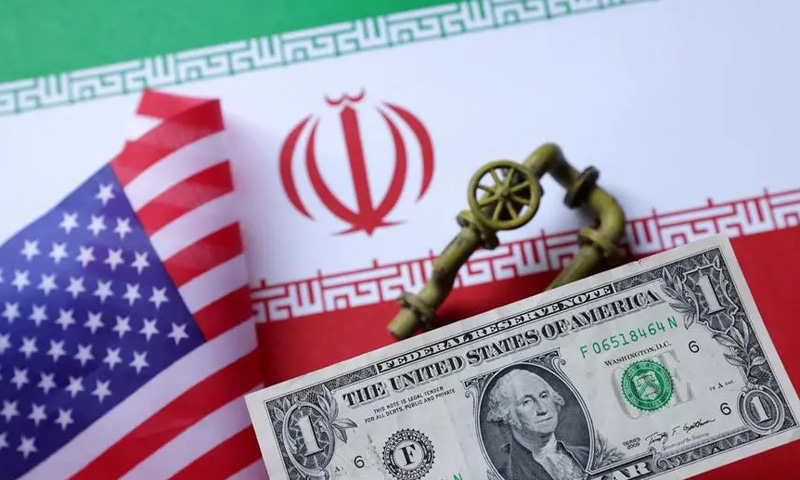
The US dollar remained stable on Monday as traders monitored escalating tensions in the Middle East, particularly the ongoing Iran conflict, with market focus shifting to President Donald Trump’s latest deadline regarding the reopening of the Strait of Hormuz. In Pakistan, the parity improved by 2 paisa, with the rupee to the greenback trading at Rs 279.08 to the USD.
In a social media post over Easter weekend, Trump issued a stark ultimatum, threatening military strikes on Iran’s power infrastructure if the strategic waterway is not reopened by 8 p.m. Eastern Time on Tuesday. This latest deadline has raised concerns among investors, although many analysts note that while the threat of war is not immediate, it amplifies the uncertainty surrounding the situation, prolonging the potential for economic disruption.
Meanwhile, the Japanese yen hovered near the key level of 160 per US dollar, prompting speculation of potential intervention by Japanese authorities after recent warnings from Finance Minister Satsuki Katayama about market volatility. Despite these concerns, the yen remained under pressure as geopolitical instability continued to drive demand for safe-haven assets like the dollar.
Markets have been on edge since late February when the US-Israel conflict with Iran escalated, resulting in the closure of the Strait of Hormuz, a critical passage for global oil and gas shipments. The closure has sent Brent crude prices surging above $110 per barrel, fueling inflation concerns and affecting global economic outlooks.
At the same time, a potential breakthrough in diplomatic efforts looms. According to reports, the US, Iran, and regional mediators are working toward a 45-day ceasefire deal, which could pave the way for a more enduring peace. This has offered some hope for markets, although the timeline for a resolution remains uncertain.
The euro traded at $1.1523, and the British pound was slightly higher at $1.3211. The US dollar index dipped to 100.12, reflecting subdued movement in the currency basket.
Oil prices are expected to experience sharp fluctuations depending on how the geopolitical situation unfolds. If the Strait of Hormuz is fully reopened by Trump’s deadline, oil prices could drop significantly, with market sentiment shifting toward risk-on. Conversely, further escalation would likely trigger a market sell-off.
In the US, the labor market data for March showed steady conditions, but economists caution that a prolonged conflict in the Middle East poses significant downside risks to economic growth. Meanwhile, expectations for Federal Reserve rate cuts have shifted, with traders now forecasting that any further cuts could be pushed into 2027.
As market participants await a resolution to the crisis, the next 48 hours will be critical in determining whether diplomatic efforts can avert further escalation or if geopolitical instability will continue to dominate global markets.
You May Also Like