- Web Desk
- 5 Minutes ago
Downed U.S. warplanes raise stakes as Tehran hunts missing pilot
WASHINGTON/CAIRO: The hunt intensified on Saturday for a missing U.S. pilot after two American warplanes were downed over Iran and the Gulf, highlighting the continuing dangers faced by U.S. and allied aircraft in the conflict’s sixth week. While two other airmen were rescued, Tehran has vowed to capture or kill the surviving pilot, escalating the tension for Washington as the war shows no sign of ending.
The incidents, involving a two-seat F-15E and an A-10 Warthog, come amid assertions by President Donald Trump and Defense Secretary Pete Hegseth that U.S. forces maintain full air superiority. The presence of a U.S. service member evading capture in Iran dramatically raises the stakes for the United States, where public support for the conflict remains low.
Tehran Celebrates, U.S. Launches Search
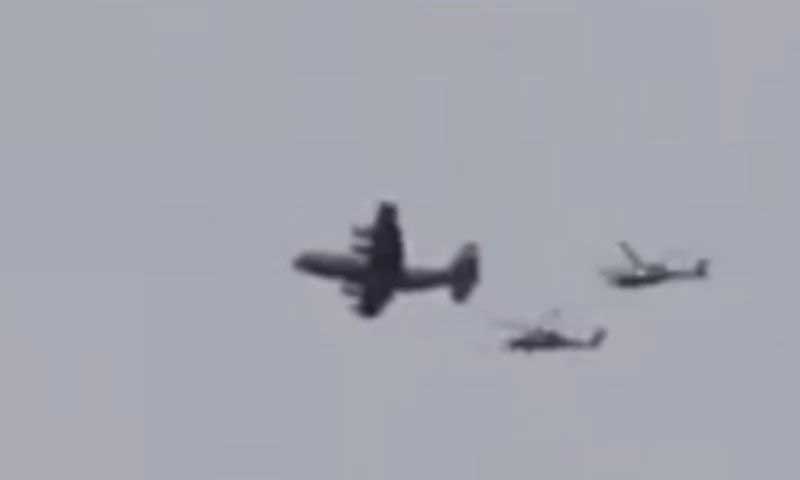
Iranian forces downed the two-seat F-15E, while the pilot of the A-10 ejected after the aircraft was struck near Kuwait. Two Black Hawk helicopters sent to locate the missing pilot were reportedly fired upon but managed to exit Iranian airspace safely. The condition of the downed crews has not been fully disclosed.
The Revolutionary Guard Corps is conducting sweeping operations near the crash site of the A-10, while local authorities have promised rewards for those who capture or neutralize “hostile enemy forces.” Iran, which has endured weeks of U.S. and Israeli air strikes since February 28, celebrated the downed planes, with Parliament Speaker Mohammad Baqer Qalibaf noting on social media that the U.S. campaign has shifted from regime change to a “hunt for pilots.”
President Trump has been closely monitoring the rescue operations from the White House, according to senior administration sources, while Pentagon and U.S. Central Command officials declined immediate comment. Diplomatic efforts led by Pakistan to broker a ceasefire appear stalled, with Tehran reportedly unwilling to meet U.S. officials in Islamabad in the coming days.
Since the start of hostilities, thousands have been killed, the global energy market has been disrupted, and the conflict threatens long-term economic damage. Thirteen U.S. service members have died and over 300 have been wounded, according to Central Command reports.
Escalating Strikes and Regional Tensions
The war has expanded beyond Iran’s borders, with drones and missiles targeting Israel and Gulf allies. Dubai authorities reported debris striking two buildings but causing no casualties. Meanwhile, the U.S. embassy in Beirut issued a warning on Friday, urging American citizens to leave Lebanon due to potential threats to universities from Iran-aligned groups.
Israel has simultaneously targeted Hezbollah infrastructure in Beirut after attacks on its territory, reflecting the broader regional escalation. Iran hit a power and water plant in Kuwait following President Trump’s threats to target Iranian bridges and electricity infrastructure, highlighting the vulnerability of Gulf states dependent on desalination for drinking water.
Trump tweeted images of smoke and destruction at the B1 bridge connecting Tehran and Karaj, warning that further attacks on bridges and power plants would follow. Drone strikes also hit a Red Crescent warehouse in southern Iran, while Kuwait Petroleum reported drone attacks on its Mina al-Ahmadi refinery. Additional interceptions occurred in Saudi Arabia and Abu Dhabi, and missile debris landed near Israel’s Haifa oil port.
Global oil markets reacted sharply, with U.S. crude prices jumping 11% on Thursday after Trump’s warning of continued attacks, and the president offered no clear timeline for ending U.S. operations in the region. As the war enters another week, the fate of the missing U.S. pilot and the growing regional instability underline the precarious position of American forces in the Gulf.
You May Also Like